


















Toothpaste has five main functional ingredients. Abrasives scrub away plaque and surface stains. Fluoride protects enamel and helps prevent cavities. Humectants keep the paste moist, binders hold it together, and detergents help it foam and spread. Together, they clean your teeth while keeping the toothpaste smooth, stable, and easy to use.
Fluoride is the cavity-protection ingredient. Check the label for fluoride first, then choose everything else around your own needs.
How the Five Ingredients Work Together
Think of toothpaste as a small system: scrub, shield, moisture, structure, and foam. A toothpaste formulation review explains that toothpaste combines cleaning agents, cavity-protection agents, moisture keepers, and stabilizers.
| Role | Plain name | Main job |
|---|---|---|
| Abrasives | Scrubbers | Lift plaque and surface stains |
| Fluoride | Enamel protector | Harden enamel and resist acid |
| Humectants | Moisture keepers | Stop the paste from drying out |
| Binders and thickeners | Structure builders | Keep the paste stable and smooth |
| Detergents and surfactants | Foaming helpers | Help the paste spread and rinse |
These roles work together. Abrasives scrub, fluoride shields, humectants maintain texture, binders provide structure, and detergents create foam and help the paste spread around the mouth.
Abrasives: The Scrubbing Agents
Abrasives provide the gentle grit in toothpaste. They work physically, not chemically, to help lift dental plaque — the sticky film that builds up on teeth — and remove surface stains from the outside of the teeth.
Common examples are hydrated silica and calcium carbonate. Hydrated silica is a fine, mild abrasive used in many gel and clear pastes. Calcium carbonate is a more traditional white powder abrasive. Both can help clean the tooth surface when used with a toothbrush.
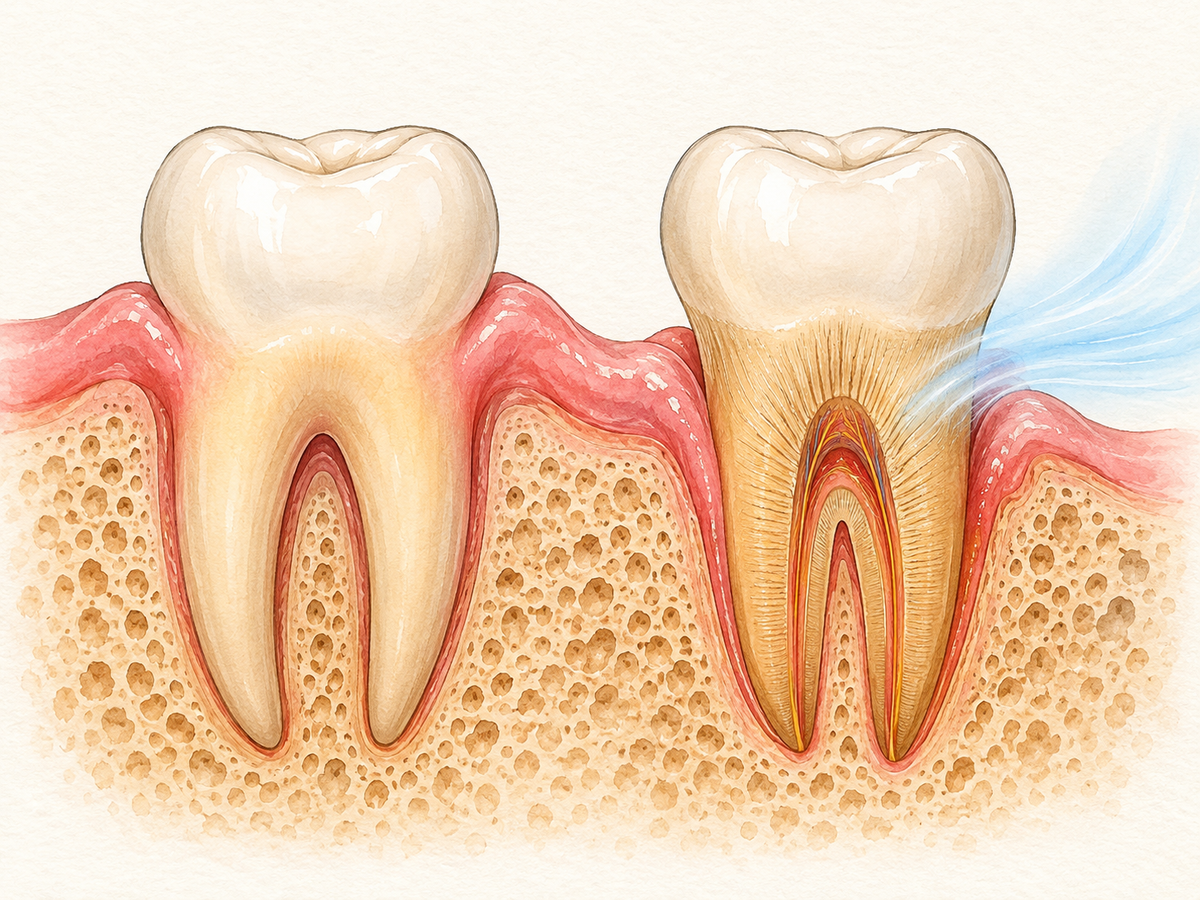
The key is balance. A formulation review notes that abrasive particles should be small, smooth, and no harder than needed to avoid damaging the tooth surface and gums. Healthy enamel, the hard outer tooth surface, is often harder than many toothpaste abrasives. But dentin, the softer layer under the enamel, is not. Once enamel gets thin, abrasive choices matter more.
A broader review of toothpaste diversity explains that toothpaste needs some abrasiveness to clean plaque and stains, but it should also protect hard tooth tissue. Lower-abrasion pastes are generally considered gentler. For most people, a standard daily toothpaste is safe. The bigger risks come from very gritty pastes and aggressive brushing, so use gentle pressure and let the paste do the work.
Fluoride: The Enamel Protector
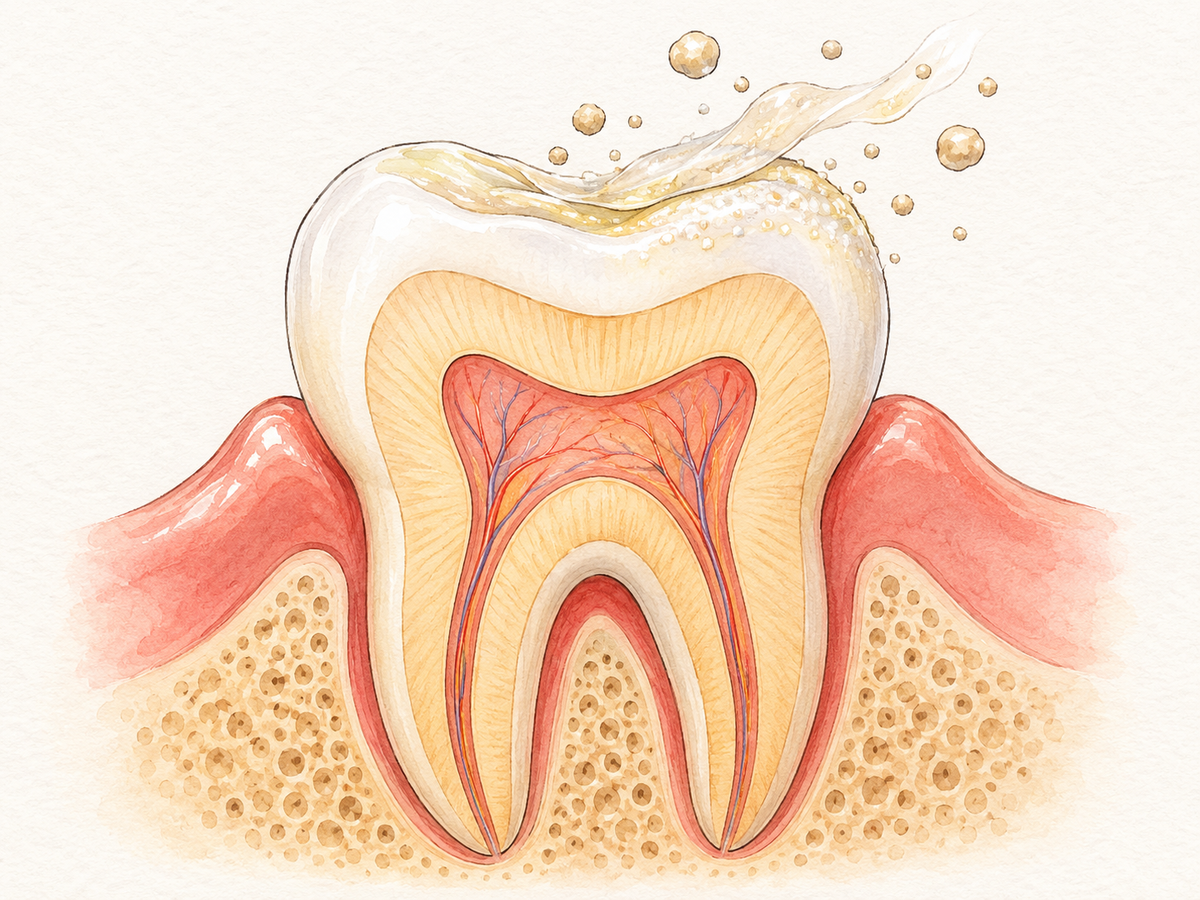
Fluoride is the ingredient that protects and strengthens teeth. It helps remineralize enamel, which means it encourages minerals to go back into early weak spots before they become cavities. It also makes enamel more resistant to acid attacks from food, drinks, and plaque bacteria.
Sodium fluoride is a common form you may see on the label. The amount matters. Clinical guidance on topical fluoride recommends fluoride toothpaste at 1,000 to 1,500 parts per million (ppm) twice daily for cavity prevention. For preschool-aged children, use only a small smear about the size of a grain of rice. That helps prevent cavities while limiting swallowed fluoride.
The right amount also depends on cavity risk. People with a higher chance of tooth decay may need more fluoride support, while young children need smaller amounts. Pediatric fluoride guidance stresses using an age-related amount and assisting or supervising brushing until at least age 7. Follow the label and ask your dentist what amount fits your household.
Humectants: The Moisture Keepers
Humectants stop toothpaste from drying into a hard lump in the tube. Glycerin and sorbitol are two common moisture-holding ingredients. They bind water and give the paste a smooth, creamy texture, according to a toothpaste formulation review.
They are texture and freshness ingredients. They do not clean teeth by themselves, and they are not the cavity-fighting part of the toothpaste. Their job is to keep the product pleasant and easy to squeeze.
Thickeners and Binders: The Structure Builders
Thickeners and binders give toothpaste its gel or paste form. Cellulose gum, sometimes called sodium carboxymethylcellulose or CMC, and carrageenan are common examples. They keep the liquid and powder parts from separating and help the paste hold its shape, as explained in a formulation review.
These ingredients do not scrub or protect teeth directly. They make the product stable, smooth, and easy to dispense. Without them, toothpaste could become watery, gritty, or separate in the tube.
Detergents and Foamers: The Cleaning Helpers
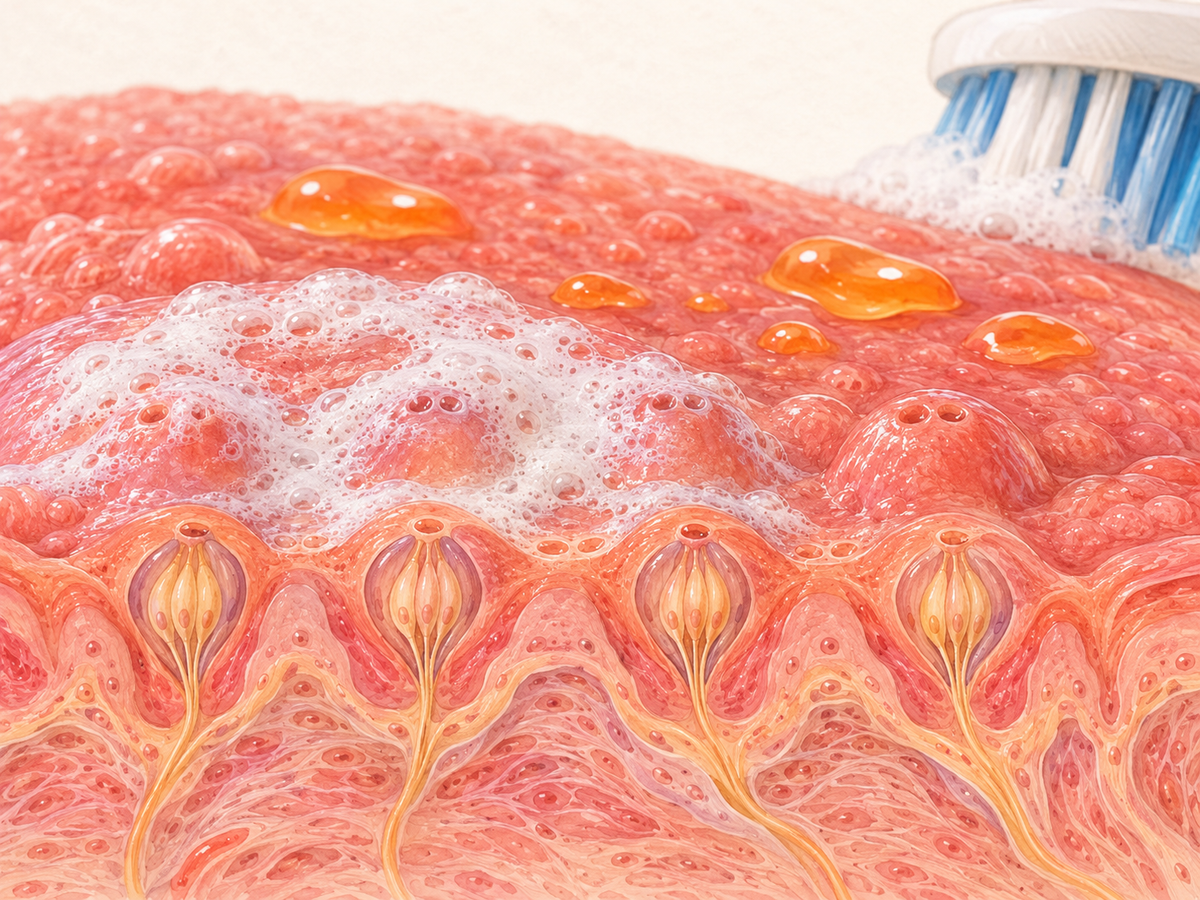
Detergents, also called surfactants, create the foam you feel while brushing. Sodium lauryl sulfate, or SLS, is one of the most common. Foam helps the paste spread around your mouth, loosen debris, and make rinsing easier, according to a review of toothpaste ingredients.
SLS is fine for many people, but it can irritate some mouths. A review of SLS side effects reported possible irritation, peeling of the mouth lining, and mouth sores in some studies. There is limited evidence that people with recurring canker sores may benefit from an SLS-free toothpaste. That does not mean SLS-free paste is better for everyone. If your mouth feels comfortable, you do not need to avoid SLS. If you have frequent irritation or sores, ask your dentist whether trying an SLS-free option makes sense.
Core Five vs. Optional Extras
Many other ingredients can appear on a toothpaste label. Some are extras, not part of the five core functional roles.
Core five:
- Abrasives
- Fluoride
- Humectants
- Binders and thickeners
- Detergents and surfactants
Optional extras may include:
- Flavorings and sweeteners for taste
- Preservatives and coloring agents for shelf life and appearance
- Whitening agents for surface stain control
- Sensitivity ingredients for tooth sensitivity
- Tartar-control or antibacterial extras
A review of toothpaste ingredients notes that coloring and flavoring agents are inactive ingredients. Some added actives serve a specific purpose, but they are not a substitute for fluoride. Check the active ingredient panel first. For most people, fluoride is the most important one.
Choosing a Toothpaste That Fits
Use this short decision path.
- Confirm fluoride for cavity protection. Look for a toothpaste that lists fluoride and, for adults, around 1,000 to 1,500 ppm if possible.
- Choose a mild abrasive for daily stain control. Standard daily toothpaste is fine for most people. If you have enamel wear or heavy sensitivity, ask your dentist about a low-abrasion paste.
- Consider SLS-free or sensitivity ingredients only if you need them. If you get recurring mouth irritation or canker sores, an SLS-free option may be worth trying.
- Match the product to your main goal. Cavity protection, sensitivity relief, and stain control are different goals. Do not chase every label claim.
Your goal is not to find the most complicated formula. A good toothpaste has fluoride, cleans gently, feels comfortable in your mouth, and fits your main oral health need.
 Best Overall
 Best Value
 Best for Sensitive Teeth
This article has been reviewed by an oral health professional for accuracy. It is intended to provide general educational information and should not be used as a substitute for personalized medical advice, diagnosis, or treatment. If you have questions or concerns about your oral health, please consult a dentist, physician, or other qualified healthcare provider.