




















Poor daily dental care does not only affect your teeth. When plaque, a sticky film of bacteria, builds up along the gums, it can trigger long-term inflammation that has been linked to a higher risk of heart disease, diabetes, lung problems, and pregnancy problems, according to a consensus report on gum disease and body-wide health. The most useful step is simple: clean your teeth and gums every day and see a dentist regularly to keep that bacterial load low.
Bleeding gums are a warning sign, not something to ignore. Early care is simpler than waiting for pain.
The Mouth-Body Link
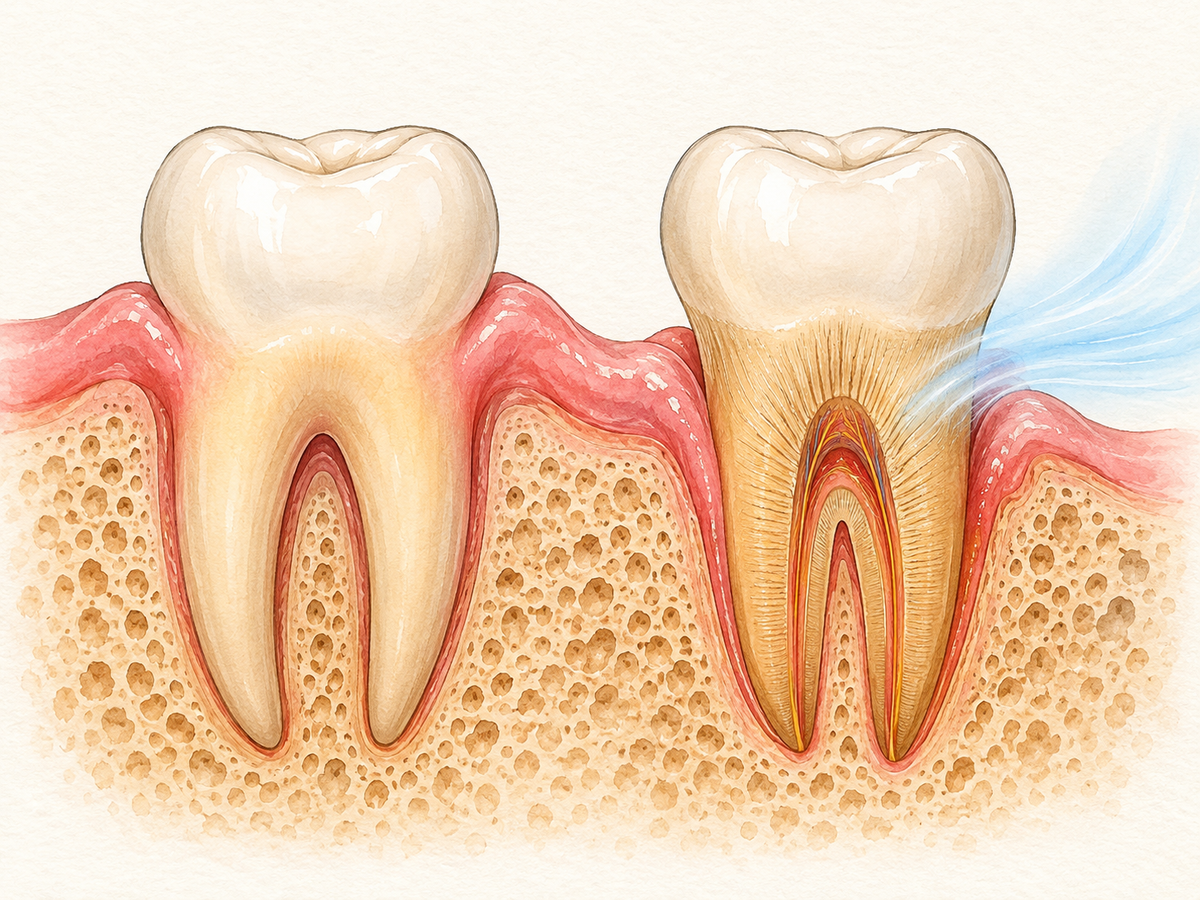
Your mouth is not just a set of teeth. It is a system made up of your teeth, your gums, your spit, and the normal oral bacteria that live in the mouth.
When this system is balanced, the mouth works as a protective barrier. Spit rinses away food and acid. Gums wrap tightly around the teeth to keep bacteria from moving deeper.
When daily cleaning slips, the balance changes. Bacteria collect in a sticky film called plaque. The gums become irritated. That irritation can lead to long-term body inflammation, where the body’s defense system stays switched on. The mouth can also act as an early warning system. Changes like bleeding or swelling often show up in the mouth before a person feels sick elsewhere.
How Damage Spreads
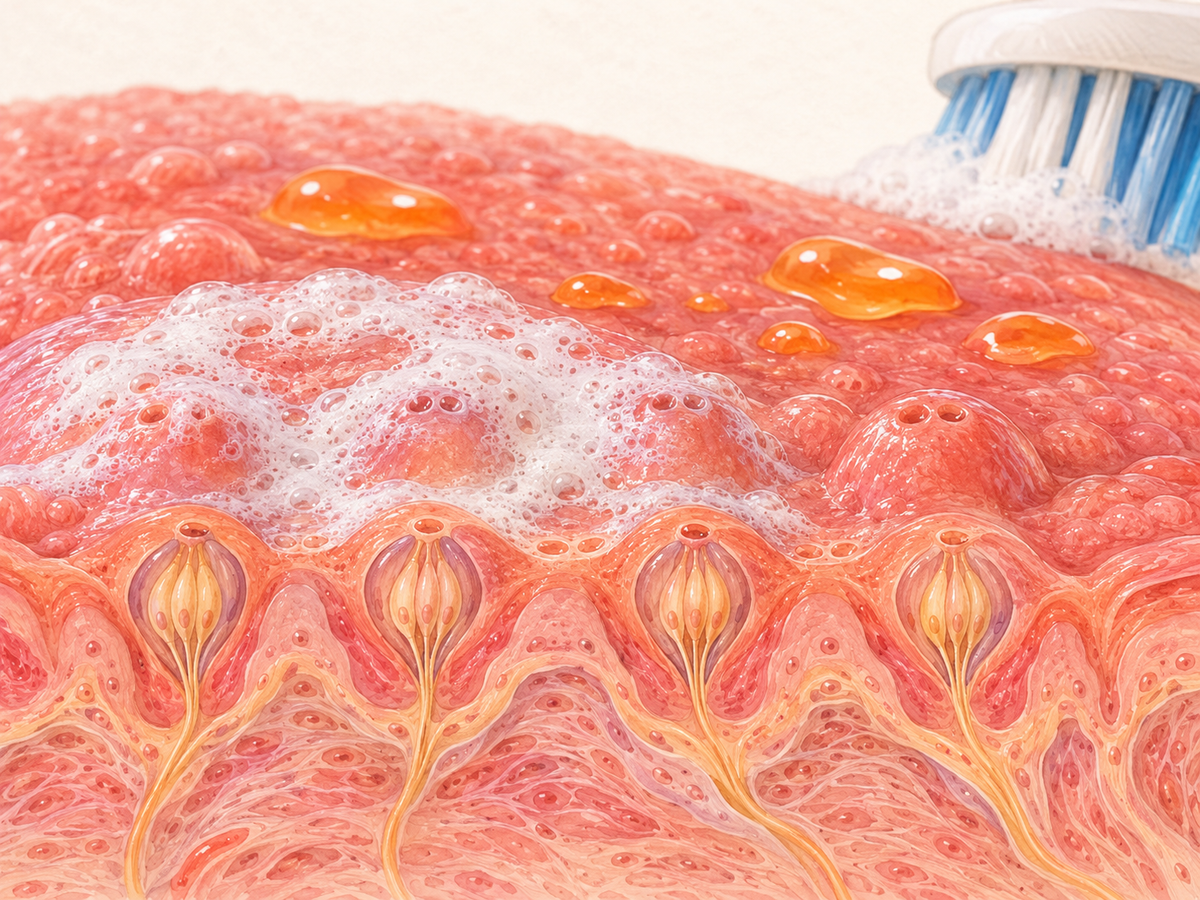
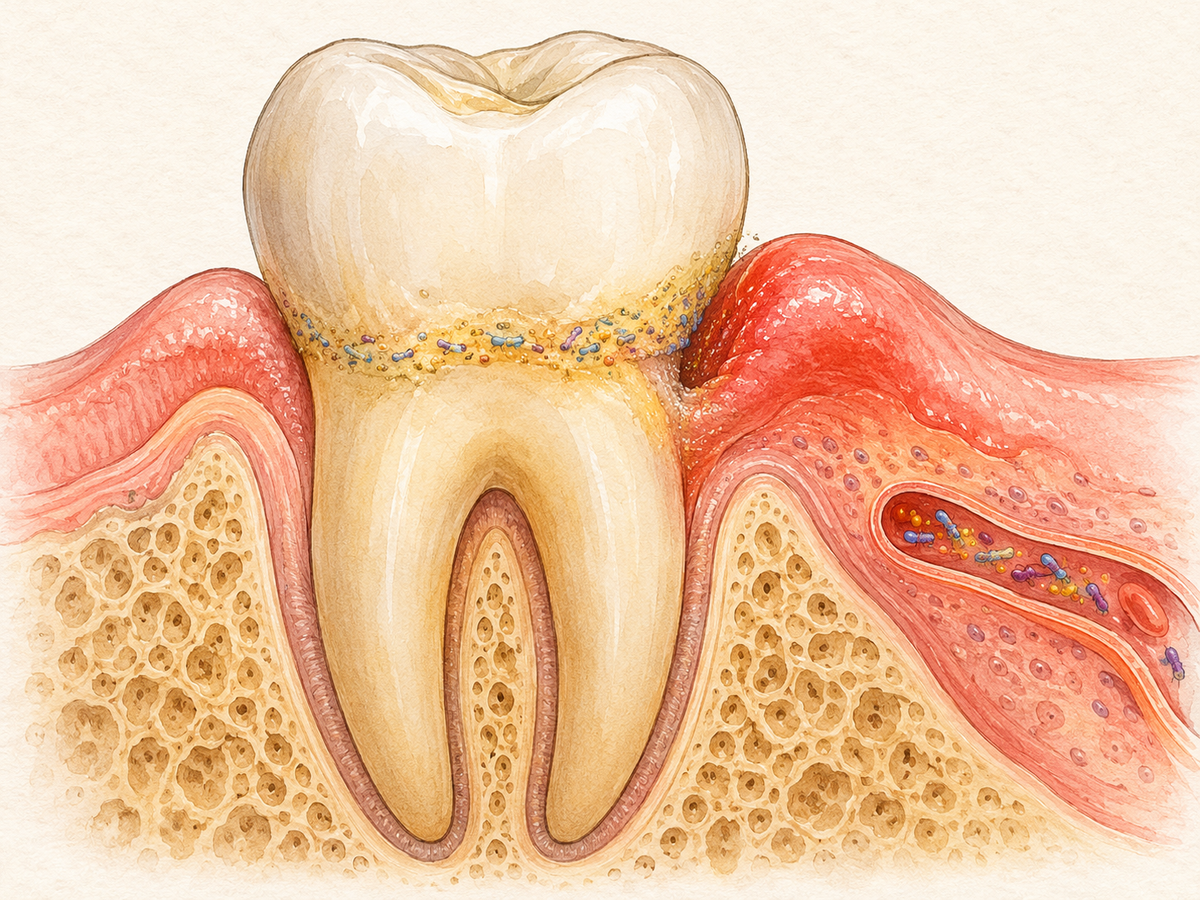
The process usually starts small. Plaque builds up along the gumline. The gums respond with gum inflammation, also called gingivitis. You may notice redness, swelling, or bleeding when you brush or floss.
If plaque is not removed, the inflammation can move deeper under the gumline. The gum can pull away from the tooth and form small pockets. This more advanced condition is called gum disease, also known as periodontal disease.
Bleeding gums create tiny openings. When gums are inflamed, bacteria can enter the bloodstream during ordinary activities such as chewing, brushing, or flossing. A review of the mouth-body connection explains this pathway. The body usually clears a small number of bacteria quickly. But if the gums stay inflamed, the exposure happens again and again.
Over time, this can add to the body’s overall inflammation load. Another review on gum disease and related health problems notes that gum disease is connected to conditions such as heart disease and blood sugar-related problems.
Linked Health Conditions
Gum disease is associated with several serious conditions. “Associated” means there is a connection, but it does not mean gum disease is the only cause.
- Heart disease: Severe gum disease is linked to a higher risk of heart disease and stroke, according to a consensus report.
- Diabetes: The relationship runs both ways. Gum inflammation can make blood sugar harder to control, and high blood sugar can make gum disease worse. A systematic review found that people with gum disease may have a higher long-term risk of developing diabetes.
- Lung problems: Mouth bacteria can travel into the lungs. Gum disease has been linked to a higher risk of chronic obstructive pulmonary disease, a long-term lung condition, according to the same consensus report.
- Pregnancy problems: Gum disease during pregnancy has been linked to a higher risk of pregnancy complications in some studies, including adverse pregnancy outcomes described in an umbrella review of oral and systemic health.
- Worsened chronic disease control: Ongoing gum inflammation can add to the body’s inflammation load and make it harder to control conditions like diabetes.
Dental care is not a guarantee against any of these conditions. But reducing gum inflammation is one practical way to lower an unnecessary source of stress on the body.
Who Is at Higher Risk
Some people need to pay extra attention:
- People with diabetes: High blood sugar can weaken healing and make gum infections harder to control.
- Pregnant women: Hormone changes can make gums more sensitive, and gum inflammation may matter for pregnancy health.
- Smokers: Smoking reduces blood flow to the gums and slows healing.
- Older adults: Age-related changes, medicines, and dry mouth can increase gum and tooth problems.
- People with weakened immunity: Certain conditions and medicines can make oral infections more likely and harder to fight.
If you are in one of these groups, regular dental visits are not a luxury. They are an early detection tool.
Warning Signs
Gum disease can be silent. You do not need severe pain to have a problem.
See a dentist if you notice:
- Bleeding gums when brushing or flossing
- Red, swollen, or tender gums
- Bad breath that does not go away
- Loose teeth
- Tooth pain
- A dry mouth that does not improve
- Gums that appear to pull away from the teeth
Bleeding gums are one of the earliest warning signs. Clinical guidance on gum disease prevention identifies gum bleeding as a key early sign of disease. Do not wait for pain. Pain often appears later, after more damage has already happened.
Daily Protection Habits
A simple routine does most of the work:
- Brush twice a day with fluoride toothpaste. Fluoride strengthens the tooth surface. Spend about two minutes each time.
- Clean between your teeth once a day. Use floss, a small brush made to fit between teeth, or another tool your dentist recommends. This removes plaque from spaces a toothbrush cannot reach.
- Limit sugary drinks and snacks. Sugar feeds the bacteria that produce acid.
- Avoid tobacco. Tobacco damages gums and slows healing.
Daily plaque removal is the foundation. According to prevention guidance on gum disease, brushing twice daily with fluoride toothpaste and cleaning between the teeth daily help reduce plaque and gum inflammation.
Food and Lifestyle
Small daily choices matter for both your mouth and body.
- Frequent sugar and processed foods give mouth bacteria more fuel.
- Smoking reduces gum healing and is a major risk factor for gum disease.
- Alcohol can dry the mouth and irritate tissues.
- Poor sleep and high stress can make it harder to keep up with daily care and may affect how the body handles inflammation.
This is not about being perfect. If you have a sugary snack, rinse with water and brush later. If stress or fatigue disrupts your routine, do a quick brush and between-teeth clean when you can. Consistency beats perfection.
When to See a Dentist
Routine care and prompt care are different.
| Routine care | Prompt care |
|---|---|
| Regular dental exams | Ongoing bleeding or swelling |
| Cleanings at the dentist | Tooth pain that does not go away |
| Checking gums and old fillings | A loose tooth |
| Talking about dry mouth or other changes | A tooth injury or knocked-out tooth |
Routine visits catch problems early, when treatment is often simpler.
If you feel nervous about the dentist, say so. Dental teams can often slow down, explain each step, and adjust the appointment. Try to view a visit as early problem-solving, not punishment.
Common Mistakes
A few everyday habits can make things worse:
- Brushing too hard: This can wear away gums and tooth surface. Use a soft-bristled brush and gentle pressure.
- Skipping between-teeth cleaning: Brushing alone misses the spaces where gum disease often starts.
- Ignoring bleeding gums: Bleeding is not normal. It is a sign of irritation, not a reason to stop cleaning.
- Waiting until it hurts: Many gum problems are quiet in the early stages. By the time a tooth hurts, the problem may be more advanced.
Fixing these small habits protects both your mouth and your whole body. If you have not had a recent exam or cleaning, that is a clear next step.
 Best Overall
 Best Value
 Best for Sensitive Teeth
This article has been reviewed by an oral health professional for accuracy. It is intended to provide general educational information and should not be used as a substitute for personalized medical advice, diagnosis, or treatment. If you have questions or concerns about your oral health, please consult a dentist, physician, or other qualified healthcare provider.