










No. You do not need to avoid mint-free toothpaste if you have sensitive teeth, and you do not need to choose it just because your teeth are sensitive. Mint-free toothpaste can be a good comfort choice if mint flavor or cooling ingredients sting. But mint-free alone does not treat the actual cause of sensitive teeth. Look for a proven desensitizing ingredient plus fluoride, and make sure the formula is gentle.
Mint-free is a comfort choice. A desensitizing ingredient is the treatment choice.
Mint-Free Is Not a Cure
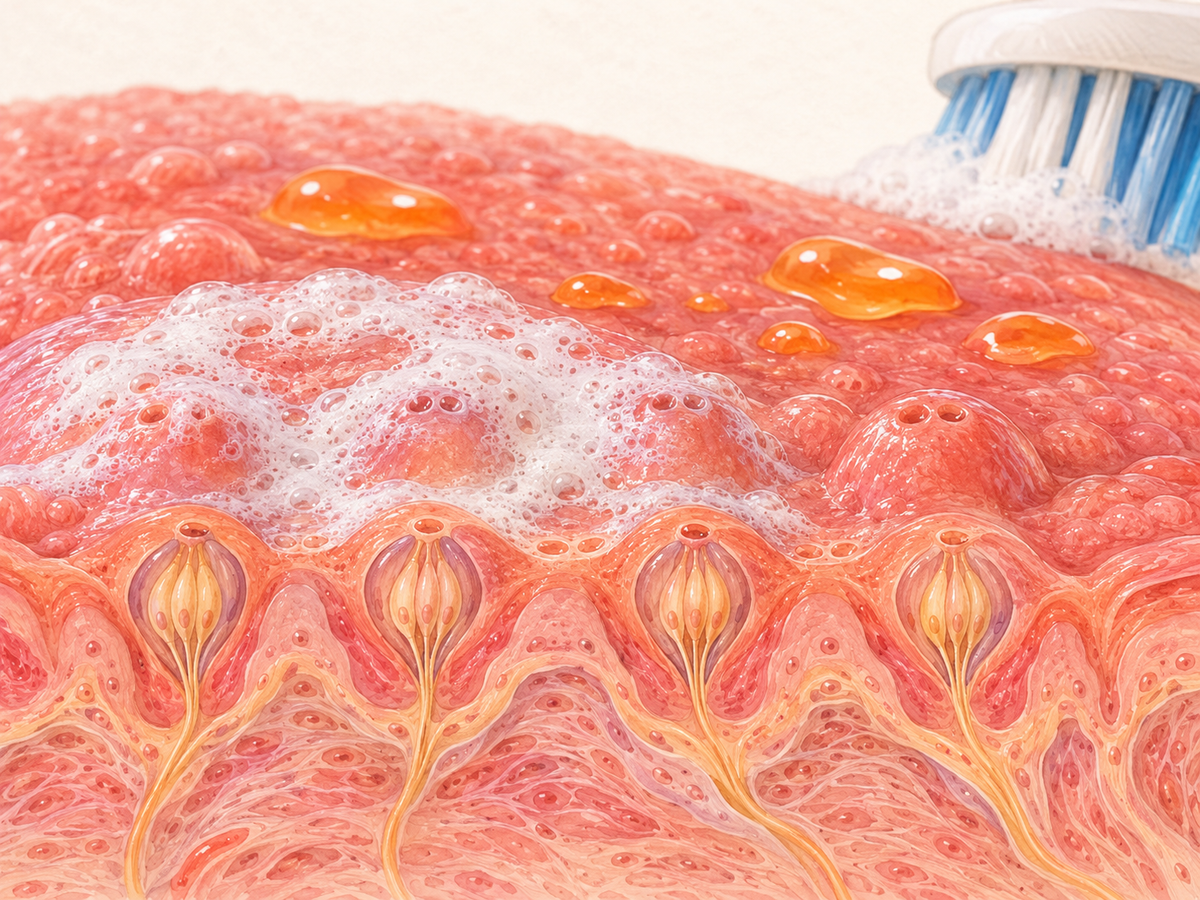
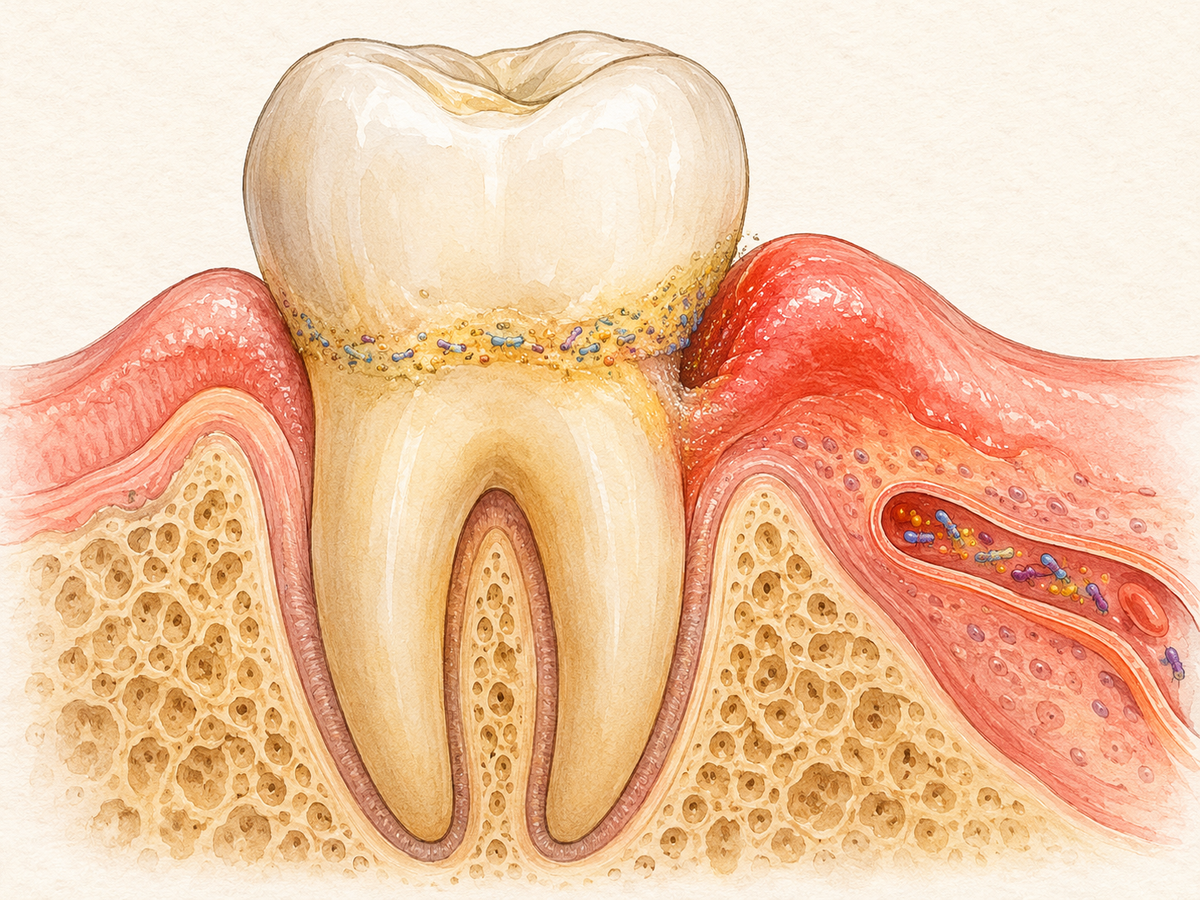
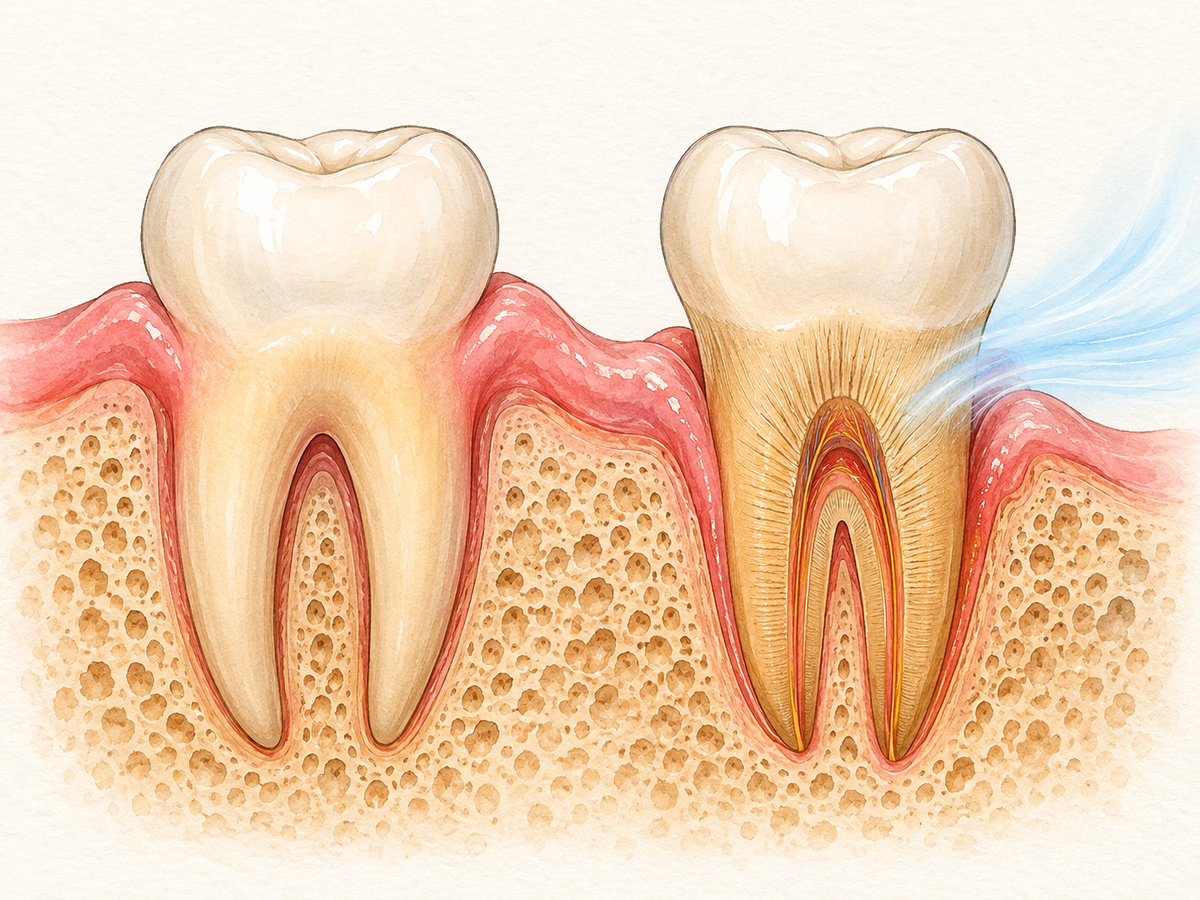
Sensitive teeth, also called dentin hypersensitivity, usually means a short, sharp pain when exposed dentin meets cold, air, sweet foods, or touch. Dentin is the layer under your enamel. When it is exposed, triggers can reach the nerves inside the tooth and cause a quick zap. Clinical guidance describes dentin hypersensitivity as a common condition with several possible causes.
Mint-free toothpaste simply removes mint flavoring or the cooling sensation. That can help if your lips, cheeks, gums, or the areas around your teeth feel raw or stinging from the flavor. That is mouth or gum irritation, not the same as tooth sensitivity.
But your teeth can still hurt while using a mint-free paste. The mint was not the real cause of the sensitivity. The exposed dentin is. So the toothpaste you choose still needs an active ingredient that reduces sensitivity.
When Mint Feels Wrong
Some people feel a sharp sting or burning as soon as mint, menthol, or a strong flavor hits their mouth. That may be flavor irritation. Other people get a short, sharp zap from cold water, air, sweet foods, or brushing. That sounds more like true tooth sensitivity.
The two can also overlap. Gum recession, a cracked tooth, and recent tooth whitening can make teeth more reactive, so a strong mint or cooling agent feels sharper than usual. Dental sources note that gum recession, cracks, recent whitening, and other conditions can cause sensitivity-like pain and need to be considered.
This table can help you think about what is going on:
| Clue | More like flavor or mouth irritation | More like tooth sensitivity |
|---|---|---|
| When it happens | Right after brushing, while foam is in the mouth | Triggered by cold, air, sweet, touch, or pressure |
| What it feels like | Burning, stinging, or rawness in lips, cheeks, or gums | Short, sharp zap in a specific tooth |
| What helps | Switching flavors or SLS-free products | Desensitizing ingredients and fixing the underlying cause |
| Warning sign | Raw or peeling mouth tissue | Pain without a clear trigger or pain that lingers |
A mint-free formula may be worth trying if the discomfort seems tied to the flavor. But it will not fix sensitivity caused by gum recession, a crack, or whitening.
What Calms Sensitive Teeth
The most useful ingredients to look for in a sensitivity toothpaste are:
- Potassium nitrate — a common desensitizing ingredient that may calm nerve signals over time.
- Stannous fluoride — a fluoride that also helps with sensitivity.
- Arginine — an amino acid used in some sensitivity toothpastes.
- Calcium sodium phosphosilicate — a bioactive desensitizing ingredient.
These ingredients do not work instantly like a numbing gel. They reduce sensitivity over time with regular use. A large comparison of toothpaste studies found several of these active ingredients performed better than placebo or standard fluoride toothpaste, though results vary from person to person (network meta-analysis). A separate review found stannous fluoride and arginine toothpastes showed the most consistent meaningful improvement at two weeks when compared with a standard fluoride toothpaste (study summary).
When you compare toothpastes, check the active ingredient panel. That matters more than whether the tube says mint, fresh, or clean.
Pick a Gentle Formula
A toothpaste can be mild-tasting but still rough on exposed tooth surfaces. Toothpaste abrasivity is how scratchy a paste is against exposed dentin.
A lower-abrasion toothpaste is better for people with sensitive teeth. Research found that low-abrasivity and ultra-low-abrasivity anti-sensitivity toothpastes caused significantly less dentin wear than a higher-abrasivity whitening toothpaste (abrasion study).
When choosing, look for:
- Fluoride.
- A proven desensitizing ingredient.
- A gentle or low-abrasion formula.
- SLS-free if your mouth tissue is easily irritated.
Sodium lauryl sulfate (SLS) is a common foaming agent. Some people with an easily irritated mouth find SLS-free toothpaste more comfortable. That is a mouth-comfort issue, not a fix for exposed dentin.
Avoid harsh whitening toothpastes when sensitivity is your priority. They can be more abrasive and may make things worse.
Mint-Free Options
You do not need a specific brand. Instead, think in categories:
- Sensitive-formula mint-free toothpaste — combines no mint flavor with a desensitizing active ingredient.
- Unflavored toothpaste — helpful if you react strongly to any flavor.
- Mild-flavor toothpaste — a middle ground if you want less intensity but not zero flavor.
- SLS-free toothpaste — useful if foam or mouth irritation is part of the problem.
Start with one product at a time. Try a small amount for a few days and pay attention to any stinging, soreness, or tooth pain. Give any desensitizing toothpaste at least a few weeks to work before deciding it does not help.
Common Mistakes
Some habits can keep sensitive teeth painful even if you switch to a mint-free or desensitizing toothpaste.
- Brushing too hard can worsen gum recession and expose more root surface.
- Abrasive whitening pastes can wear exposed dentin.
- Acidic foods and drinks can soften tooth surfaces.
- Brushing immediately after acidic foods or drinks can add more wear.
- Skipping fluoride removes cavity protection and may not support sensitivity care.
A clinical overview lists aggressive brushing, acidic intake, and abrasive whitening toothpastes as factors that can contribute to tooth sensitivity (evidence-based recommendations).
Use a soft-bristled brush and gentle pressure. After acidic food or drink, wait about 30 minutes to an hour before brushing. This gives your saliva time to help the tooth surface recover.
See a Dentist If…
Persistent sensitivity may need professional care, not just another toothpaste switch. See a dentist if you notice:
- Pain that lingers after the trigger is gone.
- Pain that comes on its own with no clear trigger.
- Visible gum recession.
- A possible crack or broken tooth.
- Sensitivity after a filling or other dental work.
- No improvement after 2–4 weeks of gentle brushing and desensitizing toothpaste.
These signs can overlap with other dental problems, including cracked teeth, cavities, or nerve irritation inside the tooth. A dentist can test the tooth and rule out other causes (dental pain guidance).
If you have tried a gentle fluoride toothpaste with a desensitizing ingredient and you still hurt, the next step is a dental visit — not endless toothpaste switching.
 Best Overall
 Best Value
 Best for Sensitive Teeth
This article has been reviewed by an oral health professional for accuracy. It is intended to provide general educational information and should not be used as a substitute for personalized medical advice, diagnosis, or treatment. If you have questions or concerns about your oral health, please consult a dentist, physician, or other qualified healthcare provider.