Flexible dentures are removable partial dentures made from bendable nylon or similar thermoplastic material instead of hard acrylic or metal. They replace missing teeth and usually stay in place with gum-colored flexible extensions that wrap around natural teeth, which means no metal hooks. They can look more natural and feel thinner, but they are not the best choice for every mouth. A dentist needs to check your remaining teeth, gums, and bite before deciding they will fit and stay secure.
How They Stay In Place
Flexible dentures get their name from their base and clasp material. Most are made from nylon-based thermoplastic resin — a plastic that softens when heated and becomes firm and slightly bendy when cool. This lets the lab shape thin pink extensions that blend with your gums.
Instead of metal hooks, these pink extensions settle into undercuts, the curved spaces under and around your natural teeth. The flexible arms bend into those spaces and grip them. Lab testing shows that how well the extensions hold depends on the size of the undercut and the thickness of the flexible arm, not just on the material being bendable, according to research on thermoplastic clasps. That means the dentist or lab must measure your remaining teeth and gums carefully. Flexibility alone does not guarantee a secure fit. The denture still depends on your remaining teeth, gum shape, and the way your bite comes together.
Vs. Traditional Dentures
Here is how flexible partials compare with standard dentures. No option is universally better; each has trade-offs.
| Feature | Flexible partial denture | Traditional partial denture |
|---|---|---|
| Main material | Flexible nylon or thermoplastic | Hard acrylic, often with a metal frame |
| Hooks/clasps | Gum-colored flexible grips | Metal clasps that may show |
| Palate coverage | Often thinner and less bulky | May cover more of the roof or gum area |
| Appearance | Tends to blend with gums | Metal may be visible |
| Stability/retention | Good in some partial cases; can be lower in some measurements | Often stronger for certain larger or full-mouth cases |
| Adjustments, relines, repairs | Often harder | Usually easier |
| Upfront cost | Often higher than basic acrylic | Often lower for basic acrylic |
Flexible partials tend to score well for appearance and short-term satisfaction. In a randomized cross-over trial, people rated oral appearance and overall satisfaction higher with thermoplastic resin partials than with metal-clasp partials, according to patient satisfaction research. But some research reviews note that retention can be lower with flexible dentures compared with conventional acrylic or metal dentures, and long-term clinical performance is still not clearly established, according to a systematic review. Traditional dentures may be easier to reline and repair, and they may offer stronger retention in some full-mouth or complex cases.
Comfort and Fit
The first few weeks are a learning curve. Many people like that flexible partials feel thinner and have no metal hooks. One study found less mucosal pain and food impaction with thermoplastic partials than with metal-clasp partials, according to patient satisfaction research. Still, your mouth needs time to adjust. You may notice extra saliva, small sore spots, and slight speech changes. This can happen with any new denture.
A flexible denture can also feel loose if the fit is not right or if a supporting tooth shifts over time. That is not something to ignore.
Practical tips for the first few weeks:
- Follow the wearing schedule your dentist gives you.
- Remove and clean the denture as directed.
- Use gentle warm saltwater rinses after meals if your gums feel tender. This helps keep small irritated spots clean but does not fix a poor fit.
- Call your dentist if soreness lasts, the denture rocks, or speech remains difficult.
Who They Suit
You may be a good candidate if:
- You are allergic to metals or standard acrylic.
- You are missing some, not all, teeth and want no visible metal.
- You have enough healthy remaining teeth and jawbone to help hold the denture.
- You have trouble tolerating a bulky hard base.
You may need to be more cautious if:
- You have major jawbone loss or very few remaining teeth.
- You grind or clench heavily, which puts repeated stress on flexible parts.
- You need maximum chewing power or stability.
- You have untreated gum disease or tooth decay, which should be treated first.
A flexible denture review notes that flexible dentures are often considered for metal or acrylic allergy, appearance concerns, restricted mouth opening, and certain ridge shapes, but they are not ideal for everyone. Only a dentist can decide by examining your gums, bite, and remaining teeth.
Cost and Value
Flexible partials often cost more upfront than basic acrylic partials. A rapid review notes that flexible dentures may be more expensive than conventional dentures, according to health technology evidence. Dental insurance coverage varies, and a flexible denture may not be reimbursed at the same rate as a standard partial. Ask your plan for details.
Long-term value depends on more than the starting price. A flexible denture may feel better or look better, but repair or relining can be harder and more costly. Some flexible materials cannot be adjusted in the same way as traditional dentures. Current evidence reviews have not found clear cost-effectiveness or long-term durability data for flexible dentures compared with conventional dentures, according to the same health technology evidence.
Before you commit, ask for a written estimate that includes:
- Exam, impressions, and fitting.
- Follow-up adjustments in the first few weeks.
- Reline or rebase fees if the fit changes later.
- Warranty and repair policy.
Care and Longevity
Daily care is simple but matters.
- Clean the denture daily with a soft brush and a non-abrasive denture cleanser or mild soap.
- Avoid regular toothpaste, which can be too abrasive and may create tiny scratches that collect plaque.
- Remove it at night, every night, unless your dentist says otherwise. Nighttime removal gives your gums a rest and lowers the risk of denture-related mouth inflammation, according to a denture stomatitis review.
- Avoid hot water, which can warp flexible material.
- Ask your dentist before using bleach-based or strong chemical cleansers, because they can damage or discolor some denture materials.
There is no one-size-fits-all lifespan. How long a denture lasts depends on your mouth, wear, care, and how the fit changes. Flexible materials can be harder for a dentist to adjust, reline, or repair than traditional acrylic or metal frameworks, according to a literature review. Regular dental checkups help catch loose fit, gum irritation, or wear before they become bigger problems.
Risks to Know
Flexible dentures are not problem-free. Possible drawbacks include:
- Staining: Nylon-based materials can pick up color from coffee, tea, and foods over time.
- Odor absorption: The material may hold smells if not cleaned well.
- Bite changes: Teeth can shift or the denture can settle, changing how teeth meet.
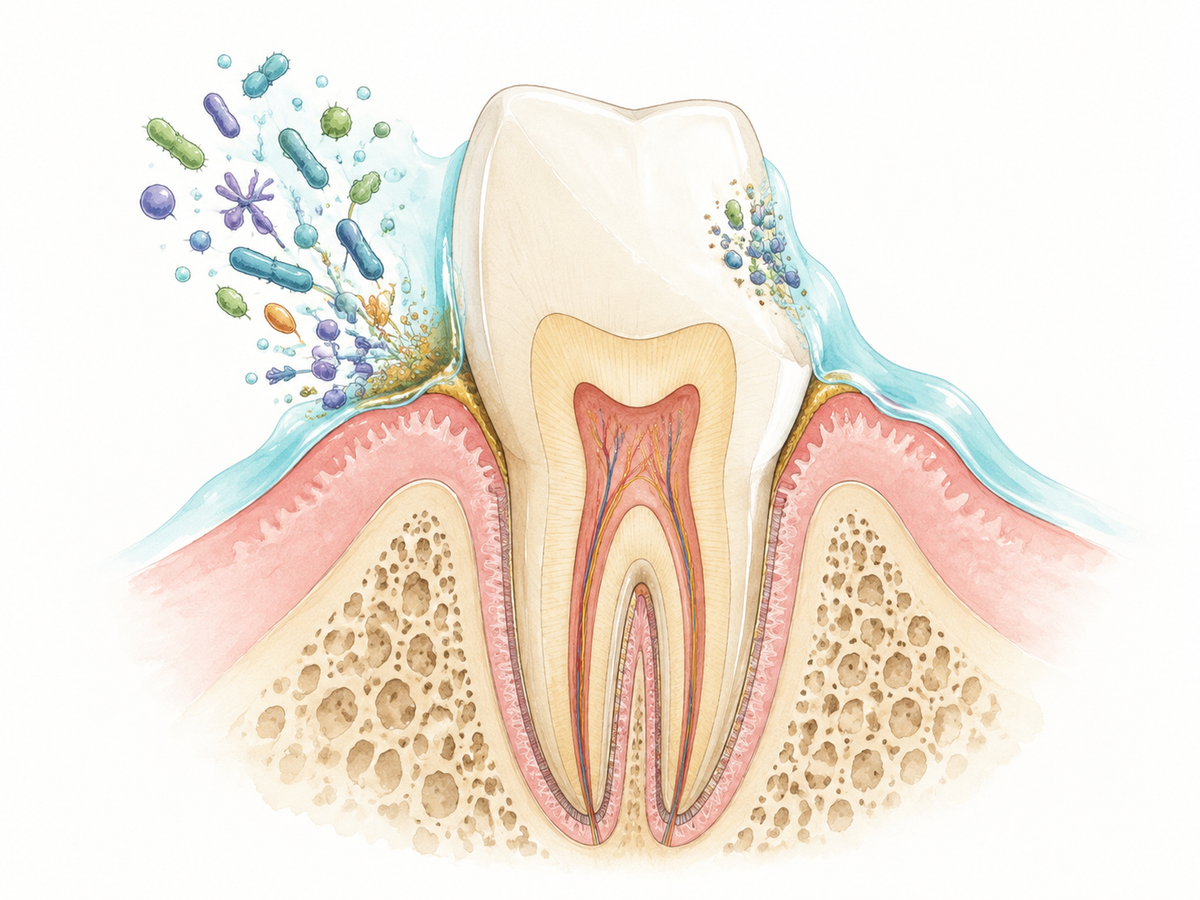
- Gum irritation: A poor fit or plaque buildup can irritate the tissue under the denture.
- Limited relining: Some flexible materials cannot be relined or adjusted as easily as standard dentures.
A review of nonmetal clasp dentures found that flexible materials can become rougher and more stained over time and may need laboratory relining or adjustment. A systematic review also noted more redness of the mouth tissue after 12 months with flexible dentures in one comparison.
Flexible dentures are not a substitute for treating gum disease, decay, or major jawbone loss. If you are missing many teeth or need maximum durability and retention, ask about other options such as implants, metal-clasp partials, or fixed bridges.
Choosing Checklist
Use these questions to turn your research into a calm, confident dentist conversation:
- Do I need a partial or full denture?
- How many missing teeth can this design replace safely in my mouth?
- What happens if it needs a reline or repair?
- How long might this denture last in my specific case?
- What is the total cost, including adjustments and follow-up visits?
- Am I a good candidate, or would an implant, bridge, or traditional partial perform better for me?
Ask the dentist to give you a written treatment plan. Make sure you understand the warranty and adjustment policy before you agree. A flexible denture is a valid option, but the best choice is the one that fits your mouth, budget, and daily life.
This article has been reviewed by an oral health professional for accuracy. It is intended to provide general educational information and should not be used as a substitute for personalized medical advice, diagnosis, or treatment. If you have questions or concerns about your oral health, please consult a dentist, physician, or other qualified healthcare provider.