


















Most sexually transmitted infections (STIs) are common, often cause no symptoms, and can affect anyone who has sex. The encouraging part: many are curable, and the rest can usually be managed well, especially when caught early. If you are sexually active, regular testing and honest talks with a health care provider are the most useful steps you can take.
Feeling fine does not prove you are negative. Many STIs are silent, so testing is a routine health step, not a sign of shame.
Why STIs Are Common
An STI is an infection passed mainly through sexual contact. You may also hear the older term STD, or sexually transmitted disease. Many people now use STI because someone can have an infection without ever feeling sick or developing disease symptoms.
Some surveys have found that people report slightly less negative emotion when they hear “STI” compared with “STD.” However, the difference is small, and language alone does not erase shame. Perceptions of STD vs STI Fear of judgment is a major reason people avoid or delay testing. Barriers to STI diagnosis
Delay matters because many STIs are asymptomatic, meaning they cause no obvious symptoms. A review from lower- and middle-income countries found that more than half of women infected with chlamydia, gonorrhea, or trichomoniasis had no symptoms. Asymptomatic STI review That means people can carry and pass an infection without knowing it.
How They Spread
STIs can spread through several routes:
- Vaginal, anal, or oral sex.
- Skin-to-skin contact during sexual activity.
- Shared needles or other drug equipment.
- Sometimes during pregnancy, childbirth, or breastfeeding.
They do not spread through everyday contact such as hugging, shaking hands, toilet seats, or swimming pools. The real question is usually not the object or surface, but whether there was direct sexual contact or shared blood exposure.
Main STIs and Related Conditions
The main infections are usually grouped by what causes them.
| Category | Common examples | What it means in plain language |
|---|---|---|
| Bacterial | Chlamydia, gonorrhea, syphilis | Often curable with antibiotics. |
| Viral | HIV, HPV, herpes, hepatitis B | May be manageable with treatment, but not always curable. |
| Parasitic | Trichomoniasis | Usually curable with medication. |
Some related conditions can follow untreated STIs:
- Pelvic inflammatory disease (PID) is an infection of the uterus, fallopian tubes, or ovaries.
- Epididymitis is inflammation of the tube near the testicle, which can cause pain or swelling.
- Infertility and pregnancy complications can develop when infections damage reproductive organs or affect a pregnancy.
- HPV-related cancers can appear years later, usually in the cervix, anus, throat, or genitals.
Symptoms—and Silence
Common signs that may be worth checking include:
- Unusual discharge from the genitals.
- Pain or burning when urinating.
- Sores, blisters, bumps, or a rash on or near the genitals or mouth.
- Pain in the lower belly or pelvis.
- Bleeding between periods or after sex.
These signs do not automatically mean you have an STI, and they do not tell you which one you might have. Many other conditions can cause similar symptoms.
At the same time, the absence of symptoms means very little. Many people with chlamydia, gonorrhea, HPV, herpes, and trichomoniasis never notice anything unusual. So “feeling fine” is not a reliable way to know your status.
Testing: What to Ask For
There is no single “full STI test” that catches everything. Providers choose tests based on your body, sexual history, and possible exposure.
You may need:
- A urine test for some infections.
- A blood test for infections like HIV, syphilis, and hepatitis B.
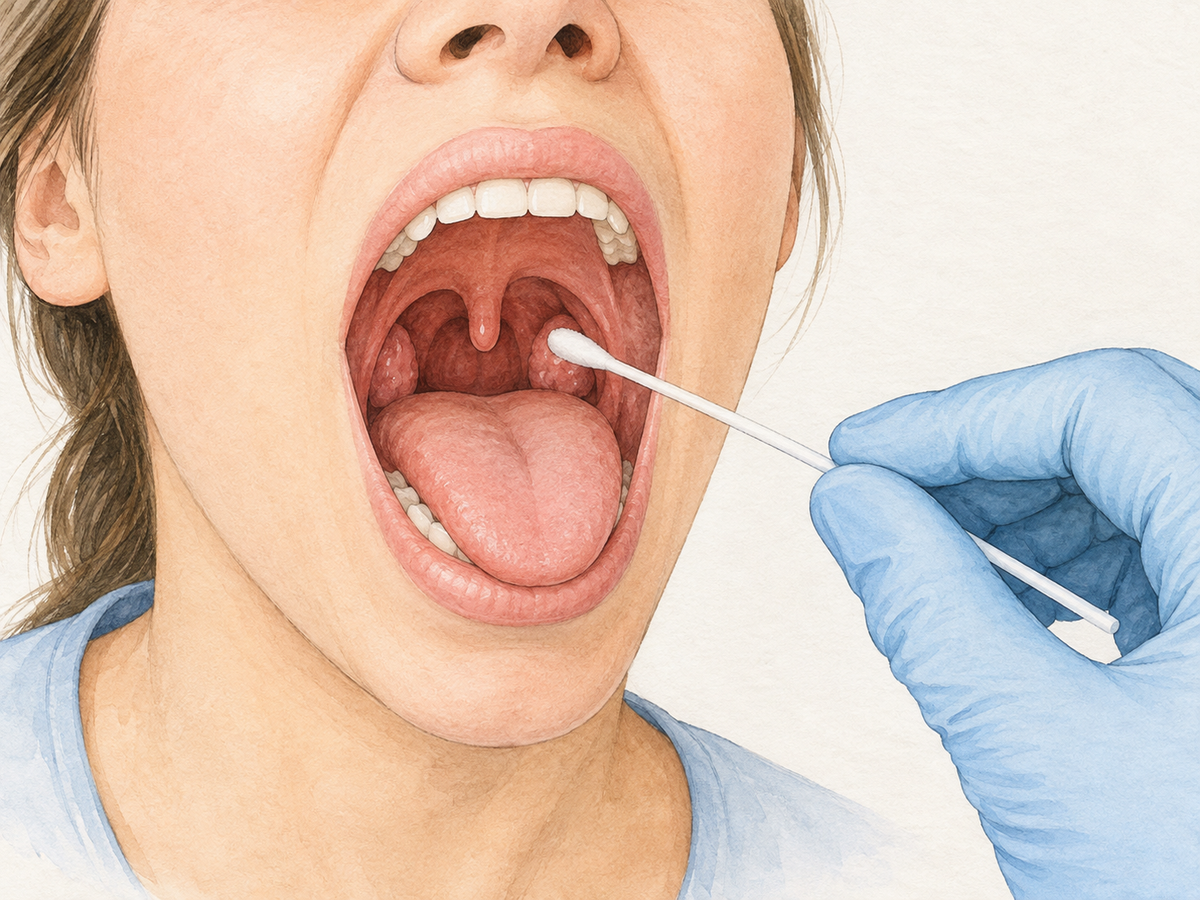
- A swab from the mouth, genitals, or rectum depending on the type of sex you have.
Timing also matters. Each infection has a window period—the time between exposure and when a test can reliably detect it. If you recently had unprotected sex or a new partner, tell your provider so they can sequence tests correctly.
Guidelines support regular chlamydia and gonorrhea screening for sexually active people under 30, even when they have no symptoms. Screening recommendation Australian guidance also recommends including HIV and syphilis testing whenever STI testing is offered. Australian STI guidelines
A simple way to ask:
“I’d like a full STI check. I’m not having symptoms, but I want to be tested based on my sexual history, including my mouth, genitals, and rectum if relevant.”
Being honest with a provider is not about judgment. It helps them order the right tests at the right time.
Treatment: Curable vs. Manageable
Treatment depends on the cause.
- Bacterial and parasitic STIs—such as chlamydia, gonorrhea, syphilis, and trichomoniasis—can usually be cured with antibiotics or other medicines.
- Viral STIs—such as herpes, HIV, HPV, and hepatitis B—are often not curable, but treatment can reduce symptoms, lower the chance of passing the infection, and prevent complications.
To get the best result:
- Finish all medication even if you feel better.
- Avoid sex until your provider says the infection has cleared.
- Tell recent partners so they can test or be treated. This prevents reinfection.
- Return for re-testing when your provider recommends it.
Antibiotic resistance is an increasing concern, especially for gonorrhea. Your provider may take a culture to choose the most effective antibiotic. Gonorrhea management guideline
Prevention That Works
You do not need to be perfect. Each step lowers risk.
- Condoms reduce the risk of many STIs, including chlamydia, gonorrhea, HIV, syphilis, and herpes. They are not 100% effective, but they provide meaningful protection. Condom effectiveness review
- Dental dams are latex or polyurethane sheets used as a barrier during oral sex. They are an option, but research on how well they prevent STIs is limited, and use is uncommon. Dental dam review
- Vaccines can prevent HPV and hepatitis B. The HPV vaccine works best when given before exposure, but it can still prevent some future infections in sexually active people. HPV vaccine effectiveness Mpox vaccination may also be offered in some situations.
- PrEP is daily or injectable medicine that greatly lowers HIV risk.
- DoxyPEP is a dose of doxycycline taken soon after sex to lower the risk of chlamydia, syphilis, and gonorrhea. Current guidance mainly supports it for gay and bisexual men and transgender women with a recent bacterial STI. DoxyPEP meta-analysis It is not currently recommended for everyone. DoxyPEP overview
- Regular testing helps you catch infections early, protect partners, and avoid complications.
Harm reduction means doing what you can, when you can. A missed condom does not erase the value of all the times you used one.
Talking Without Shame
Shame is a bigger barrier than many people realize. Research on STI testing consistently finds that embarrassment, fear of judgment, and concerns about confidentiality keep people away from care. Barriers to STI diagnosis
But the standard in sexual health care is confidentiality and nonjudgmental care. You can be direct.
To a provider:
“I want to talk about sexual health. I have had a new partner, and I don’t want to guess—what tests should I get?”
To a partner:
“I care about you and want us both to stay healthy. I tested positive, and I’m getting treated. You should get tested too.”
Disclosure is about health, not confession or punishment. It helps stop the chain of transmission.
Complications and Red Flags
Untreated STIs can cause long-term problems. Chlamydia and gonorrhea are linked to a higher risk of pelvic inflammatory disease, ectopic pregnancy, and infertility in women. Chlamydia reproductive risks Gonorrhea reproductive risks Some infections, especially HPV and hepatitis B, can raise cancer risk over time.
Seek urgent care if you have:
- Severe pelvic or belly pain.
- Severe testicular pain or swelling.
- High fever.
- Painful sores or ulcers.
- Discharge plus fever.
- Any concerning symptom during pregnancy.
Do not wait for test results if you feel very unwell. Go to urgent care or tell a provider that your symptoms are severe.
Your Next Step
Pick one action and do it this week:
- Book a sexual health clinic or primary care appointment.
- Say: “I’d like STI testing based on my sexual history.”
- Ask whether you are up to date on HPV, hepatitis B, and other recommended vaccines.
Testing and treatment are standard, private, and far less scary than living with uncertainty. You do not need to have symptoms to deserve a check.
This article has been reviewed by an oral health professional for accuracy. It is intended to provide general educational information and should not be used as a substitute for personalized medical advice, diagnosis, or treatment. If you have questions or concerns about your oral health, please consult a dentist, physician, or other qualified healthcare provider.