











Plain unsweetened dairy milk is generally a safe, tooth-friendly drink. It provides minerals and proteins that can support tooth enamel and help repair early weak spots. But milk is not a cavity treatment or a replacement for brushing, fluoride, or regular dental care.
Practical rule: choose plain, unsweetened milk, drink it with a meal, and finish it rather than sipping for hours. Sweetened or flavored milk changes the answer.
How Milk Affects Enamel
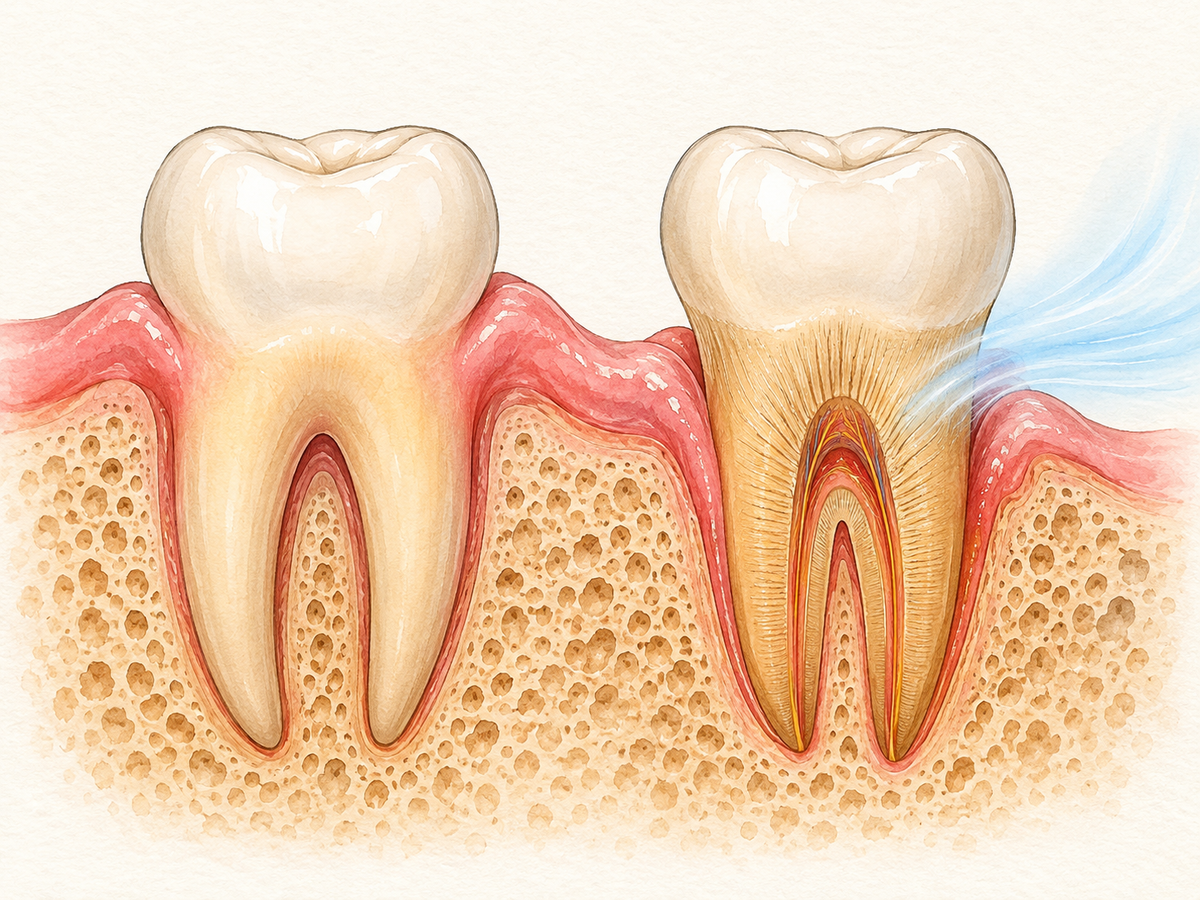
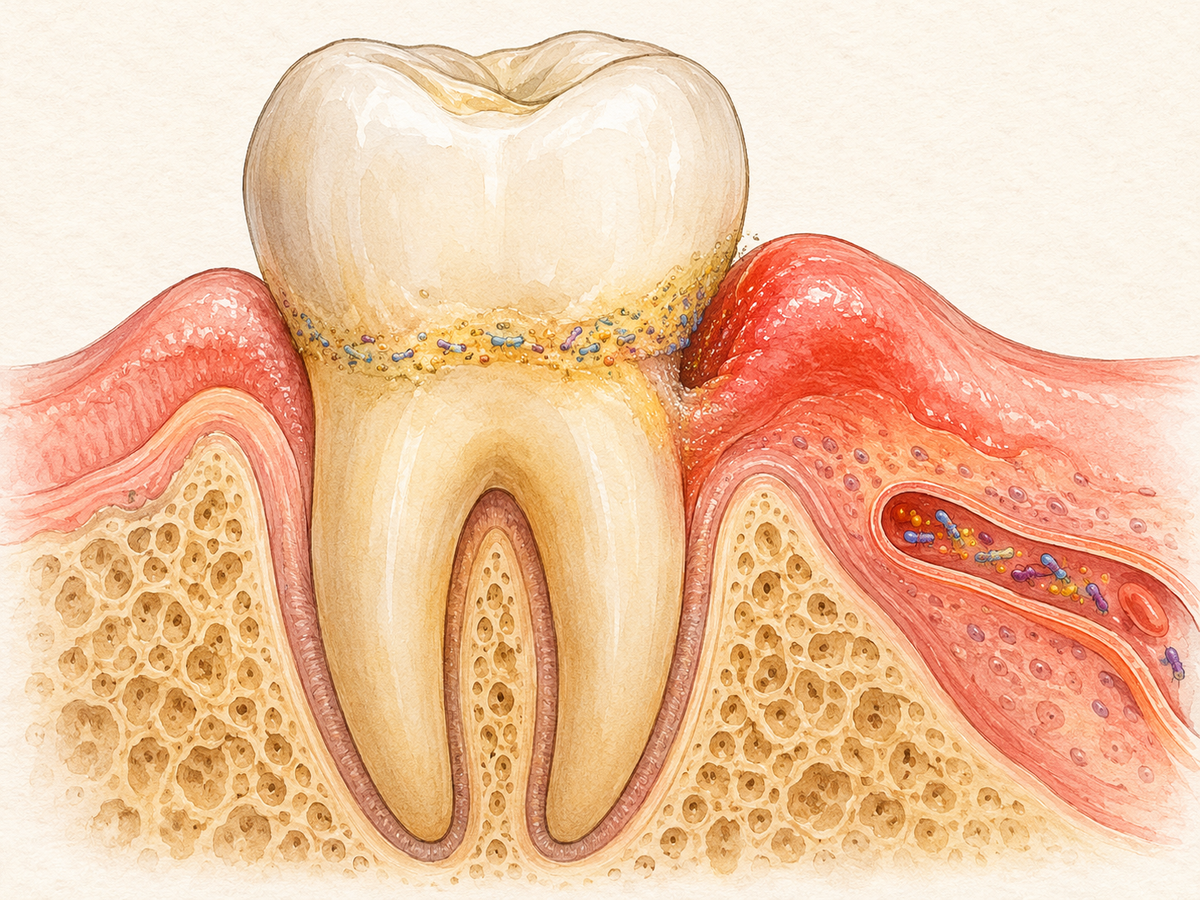
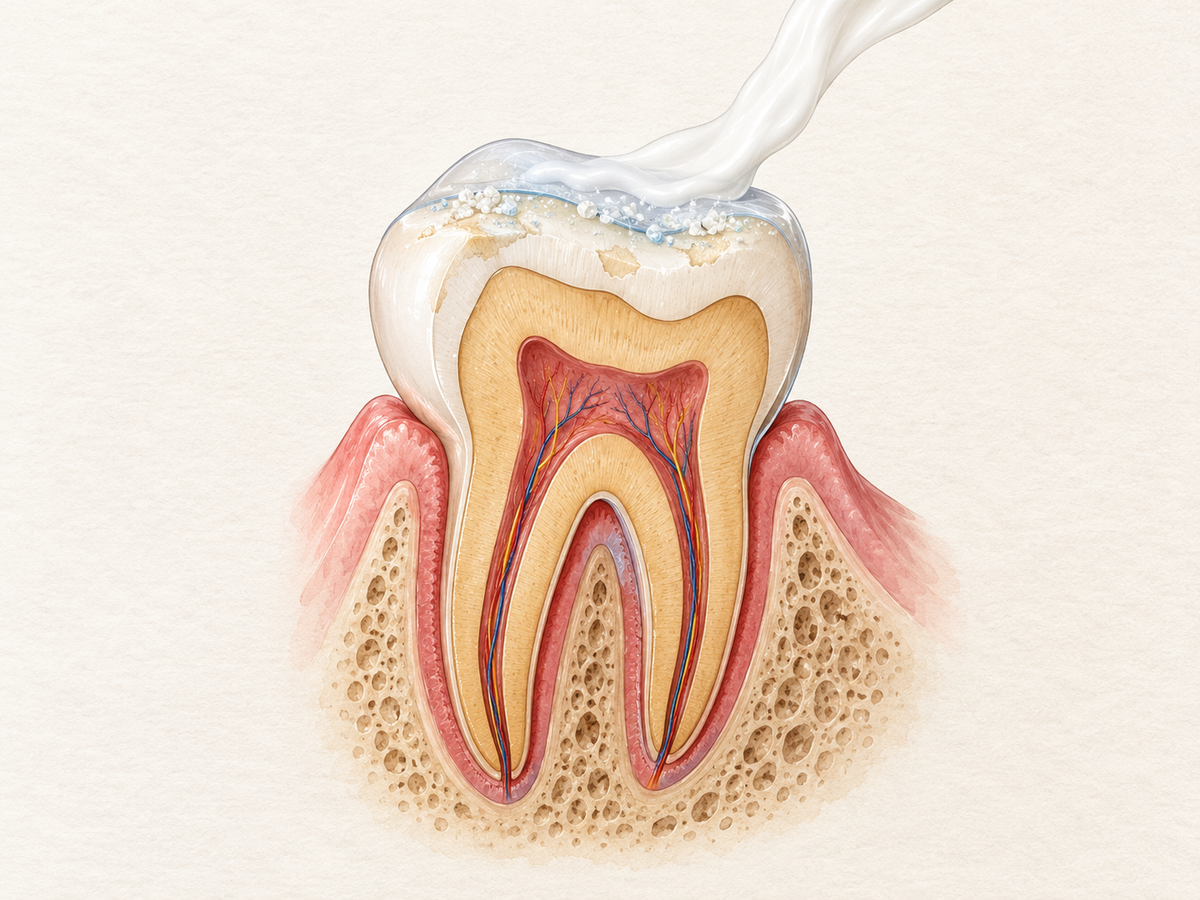
Tooth enamel is the hard outer layer of your teeth. Every day, acids made by mouth bacteria and acidic foods can pull minerals out of that outer layer. Your body can put some minerals back through a repair process called remineralization.
Milk naturally contains calcium and phosphate, two minerals that support that repair process. Casein, a milk protein, can coat the tooth surface and reduce acid damage. Milk also has a buffering effect, meaning it helps neutralize acids in the mouth.
According to a study of milk and enamel repair, plain milk helped remineralize early weak spots in enamel, while milk with an added milk-based calcium-phosphate complex produced an even stronger effect. Longstanding dental guidance also notes that plain cow’s milk causes only a small drop in plaque acid and that unsweetened milk and milk products are safe and possibly beneficial for teeth, according to a review in the British Dental Journal.
Still, milk supports enamel. It does not do the job of fluoride toothpaste, flossing, or dental visits.
The Sugar and Acid Catch
Milk is not sugar-free. Lactose is the natural sugar in milk. It is a fermentable sugar, which means mouth bacteria can break it down and release acid.
That does not mean a glass of plain milk is bad for teeth. Health guidance for children does not count lactose naturally present in plain cow’s milk the same way it counts added sugars in sweetened drinks, according to guidance from the European Society for Paediatric Gastroenterology, Hepatology and Nutrition.
The bigger issue is how often and how long teeth are exposed. Cavities, also called dental caries, are more likely when teeth are bathed in sugar again and again.
A glass of plain milk at breakfast is a short exposure. Sipping milk slowly for hours, or drinking chocolate or strawberry milk throughout the day, keeps teeth exposed to sugar for much longer. Flavored milks and milkshakes often contain around 5% or more added sugar, according to dental guidance on sweetened milk products.
Plain vs. Flavored vs. Plant Milk
Plain dairy milk is the best default. It has natural lactose, but it also has calcium, phosphate, and protein, and it does not usually cause a large acid attack.
Flavored milk and milkshakes add sugar. They are not automatically tooth-friendly just because they contain milk. Adding sugar or syrups gives mouth bacteria more fuel.
Plant-based milks vary widely. Some are unsweetened and fortified with calcium. Many are sweetened. Some oat milks can contain maltose, a sugar that forms when oats are processed and that mouth bacteria can ferment, even when the drink is labeled unsweetened, according to a report on oat milk and dental health.
Check the label if you choose a plant-based drink. Look for unsweetened options and added calcium, since plant-based alternatives may increase cavity risk when they are sweetened, according to dental guidance on milk alternatives.
| Drink | What to know |
|---|---|
| Plain dairy milk | Natural lactose, plus calcium, phosphate, and protein. Usually low acid. |
| Flavored milk or milkshake | Often contains added sugar. Best as an occasional treat, not an everyday drink. |
| Plant-based milk | Varies by brand. Choose unsweetened with added calcium. Some oat milks still contain fermentable sugars. |
Who Benefits Most
Milk fits best as part of a balanced diet for children and adults. The biggest dental benefit comes when plain milk replaces sugary drinks such as soda, fruit punch, sweet tea, or sports drinks.
A scoping review of studies on children and adolescents concluded that milk and dairy products are generally beneficial and non-cariogenic, meaning they are not likely to cause cavities, especially when no added sugars are involved.
But this is one helpful habit among several. It is not a cavity-prevention shortcut. Brushing with fluoride toothpaste, cleaning between teeth, and seeing a dentist regularly still matter.
Who Should Be Careful
Some situations make milk more of a concern:
- Frequent sipping: Drinking milk slowly over hours keeps teeth exposed to sugar for longer.
- Sweetened milk: Chocolate milk, flavored milk, and milkshakes add sugar and should be treated as sugary drinks.
- Bedtime milk bottles: Children should not go to sleep with a bottle of milk. Bottle use during sleep is a recognized cavity risk factor, according to a review of infant feeding and early childhood caries.
- Lactose intolerance: This means difficulty digesting milk sugar. Lactose-free dairy milk can be a useful option because it still provides calcium.
- Dairy allergy: This is an immune reaction to dairy protein. It requires a true alternative, such as a fortified unsweetened plant-based drink.
A study of children with cow’s milk allergy or lactose intolerance found higher cavity rates than in children without those conditions. The authors noted that replacement foods did not appear to be the direct cause, but these children still needed extra preventive dental care.
Habits That Change the Answer
The same milk can be more or less tooth-friendly depending on how it is used.
- Choose plain, unsweetened milk.
- Drink milk with meals instead of sipping it between meals.
- Finish the glass rather than carrying it around for hours.
- If you have a sweetened dairy drink, rinse with water afterward.
- For young children, do not put them to bed with a bottle of milk. Water is the only bedtime bottle choice.
- Brush twice a day with fluoride toothpaste.
- Keep regular dental checkups.
Plain milk can fit well into a tooth-friendly routine, but the habits around it decide the real answer.
 Best Overall
 Best Value
 Best for Sensitive Teeth
This article has been reviewed by an oral health professional for accuracy. It is intended to provide general educational information and should not be used as a substitute for personalized medical advice, diagnosis, or treatment. If you have questions or concerns about your oral health, please consult a dentist, physician, or other qualified healthcare provider.