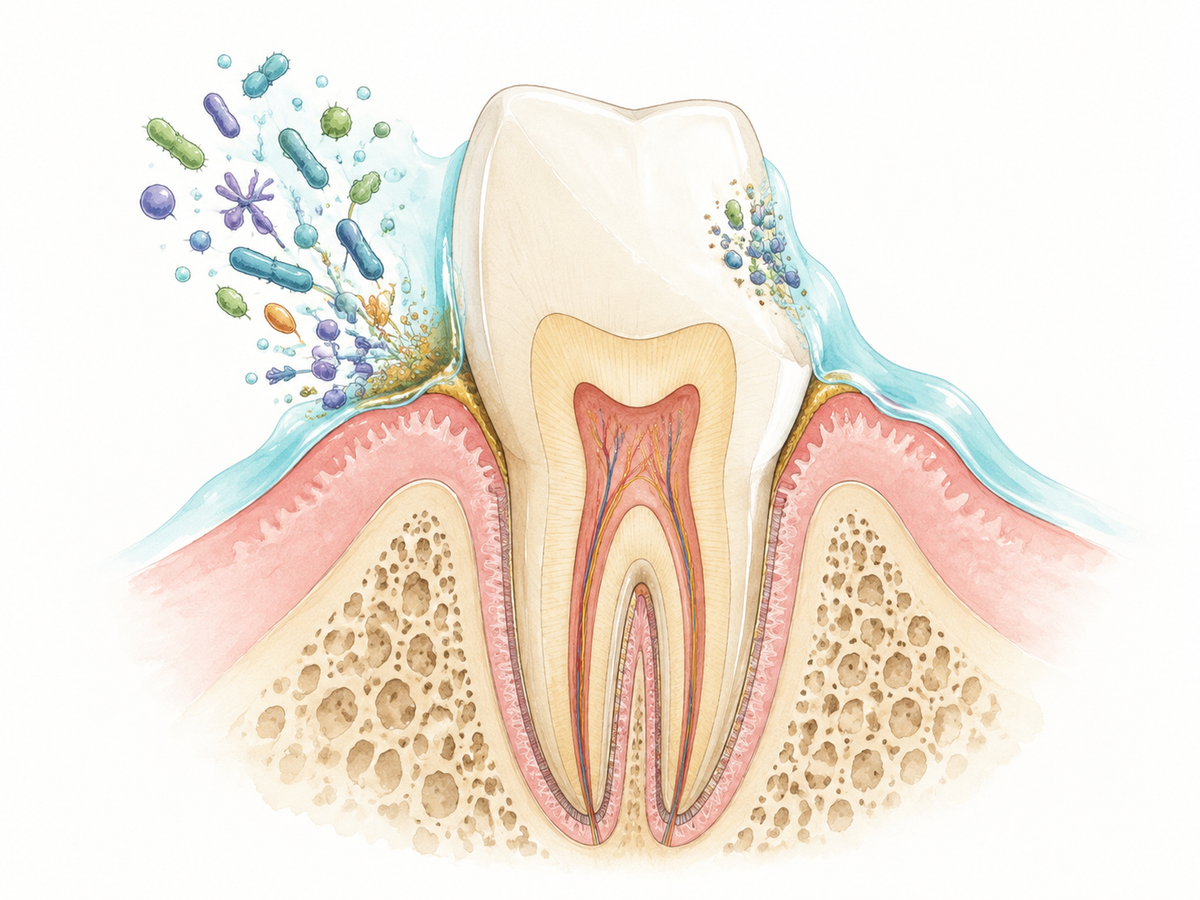
Canker sores are painful round or oval sores that form inside the lips, cheeks, or under the tongue. You cannot always prevent them, especially if you are prone to them. But you can reduce how often they appear by learning your personal triggers and making a few small changes. Low vitamin B12 has been linked with more frequent sores, and iron or zinc levels may run low in some people who get them often.
Repeated canker sores are called recurrent aphthous stomatitis. The name sounds complicated, but it simply means recurring sores inside the mouth. They are not the same as cold sores, and they are not contagious.
Know Your Triggers
Some people are more likely to get canker sores because of inherited differences in how their immune system responds inside the mouth. Researchers have found that many of the strongest known risk factors are genetic and cannot be changed. That means prevention is not about blaming yourself. It is about finding the triggers that tip your mouth into a sore.
Common triggers include:
- Minor mouth injuries — biting your lip or cheek, brushing too hard, or rubbing from braces, retainers, or a sharp tooth.
- Acidic foods — citrus fruits and tomatoes can irritate the lining of the mouth.
- Spicy foods — hot or heavily seasoned foods can sting or trigger a flare.
- Stress — many people notice sores during demanding periods.
- Hormonal changes — some people get sores around their menstrual cycle.
- Sodium lauryl sulfate (SLS) — a foaming agent in some toothpastes. Some studies found fewer ulcers when people switched to an SLS-free toothpaste, while a clinical trial found it mainly reduced pain and helped sores heal faster.
- Low vitamin B12, folate, iron, or zinc — these nutrients help maintain healthy mouth tissue. Blood tests can show whether a deficiency is part of your pattern.
You do not have to avoid every possible trigger forever. The goal is to notice which ones show up before your sores do.
Daily Habits That Protect
Small consistent changes matter more than perfect avoidance. Focus on reducing irritation and helping your mouth stay comfortable.
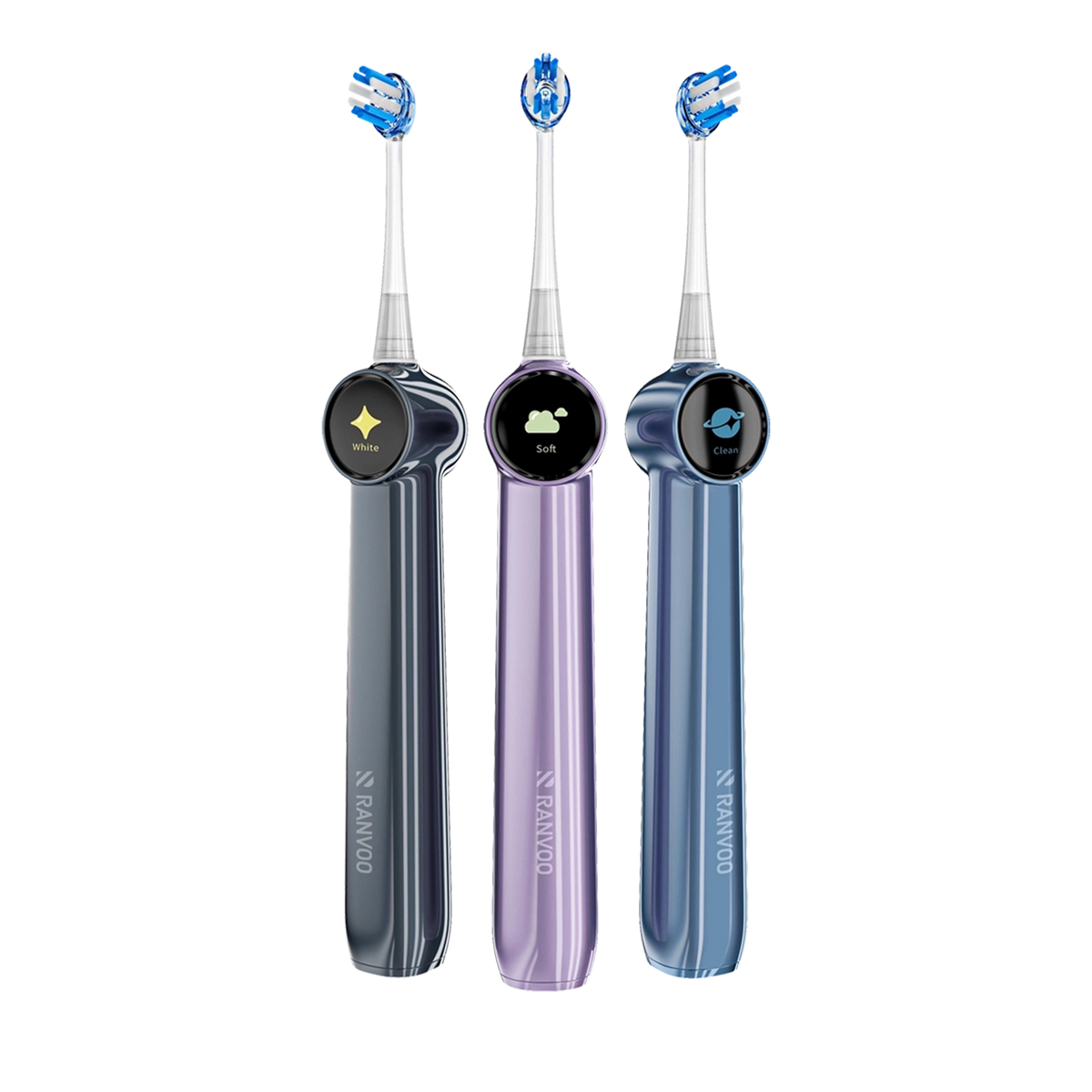
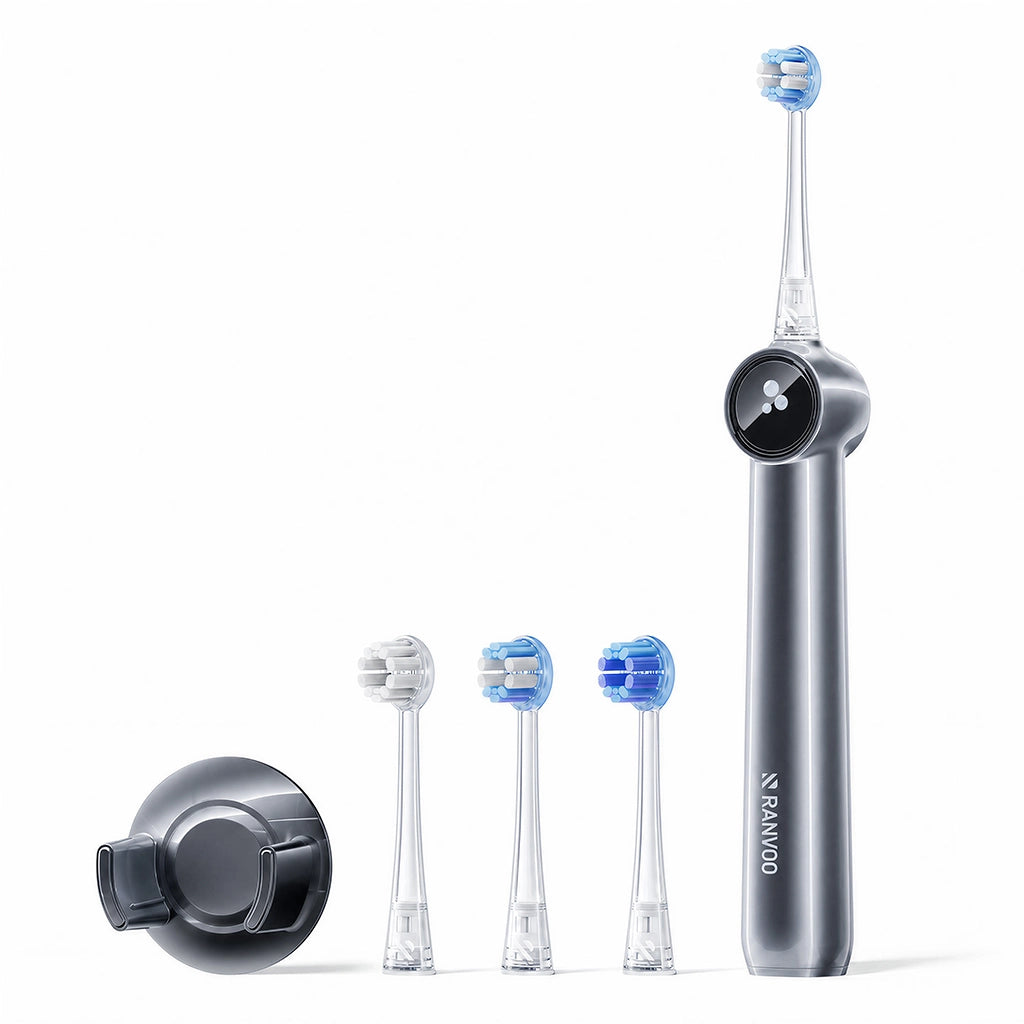
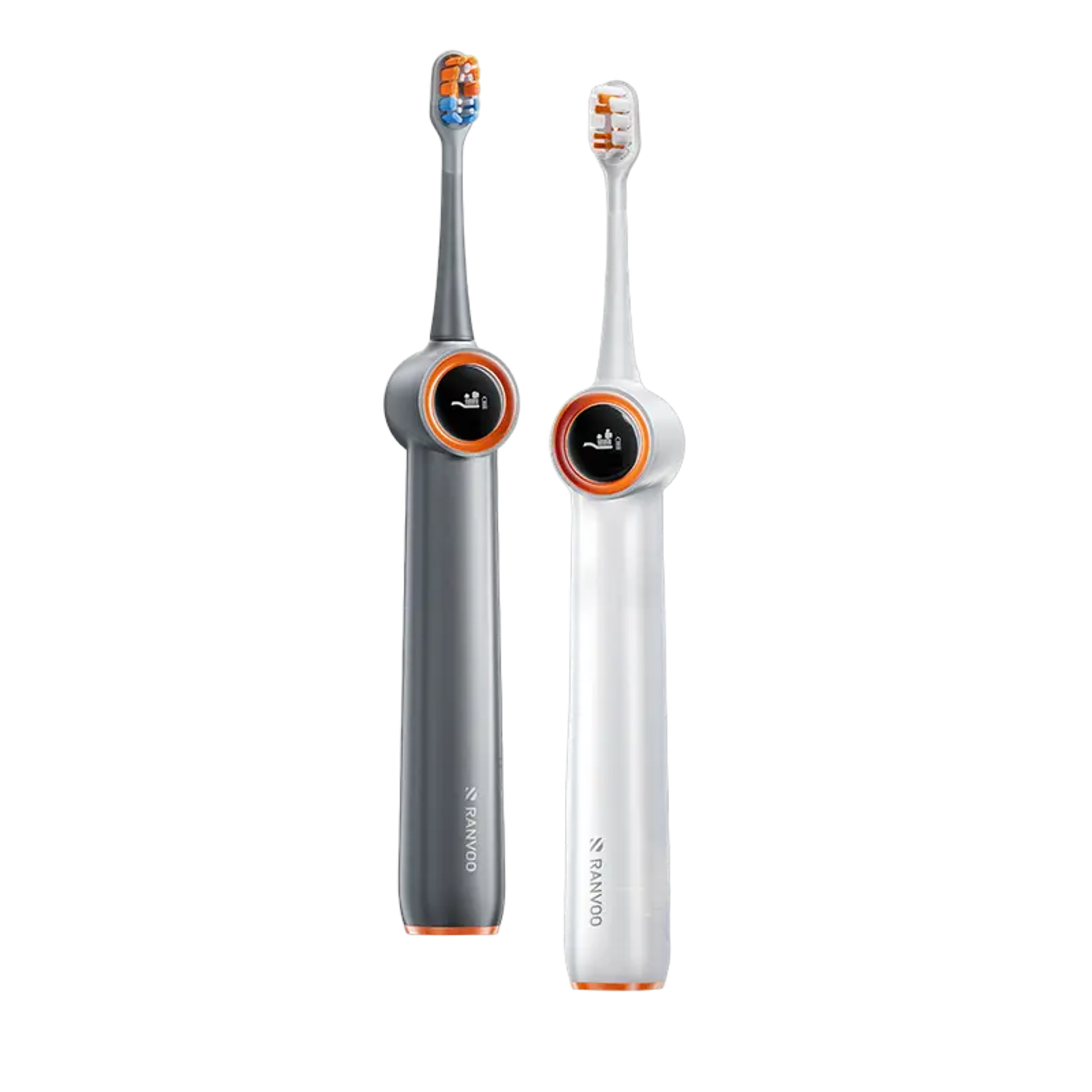
- Use a soft-bristled toothbrush and brush gently. Scrubbing can create tiny injuries that turn into sores.
- If you catch yourself biting your lips or cheeks, pause and relax your jaw. During the day, try to keep your teeth slightly apart.
- Keep your mouth moist. Sip water throughout the day, especially if you breathe through your mouth or take medications that cause dryness.
- Lower stress in small ways, such as walking, deep breathing, or keeping regular meals. Good sleep gives your body time to recover.
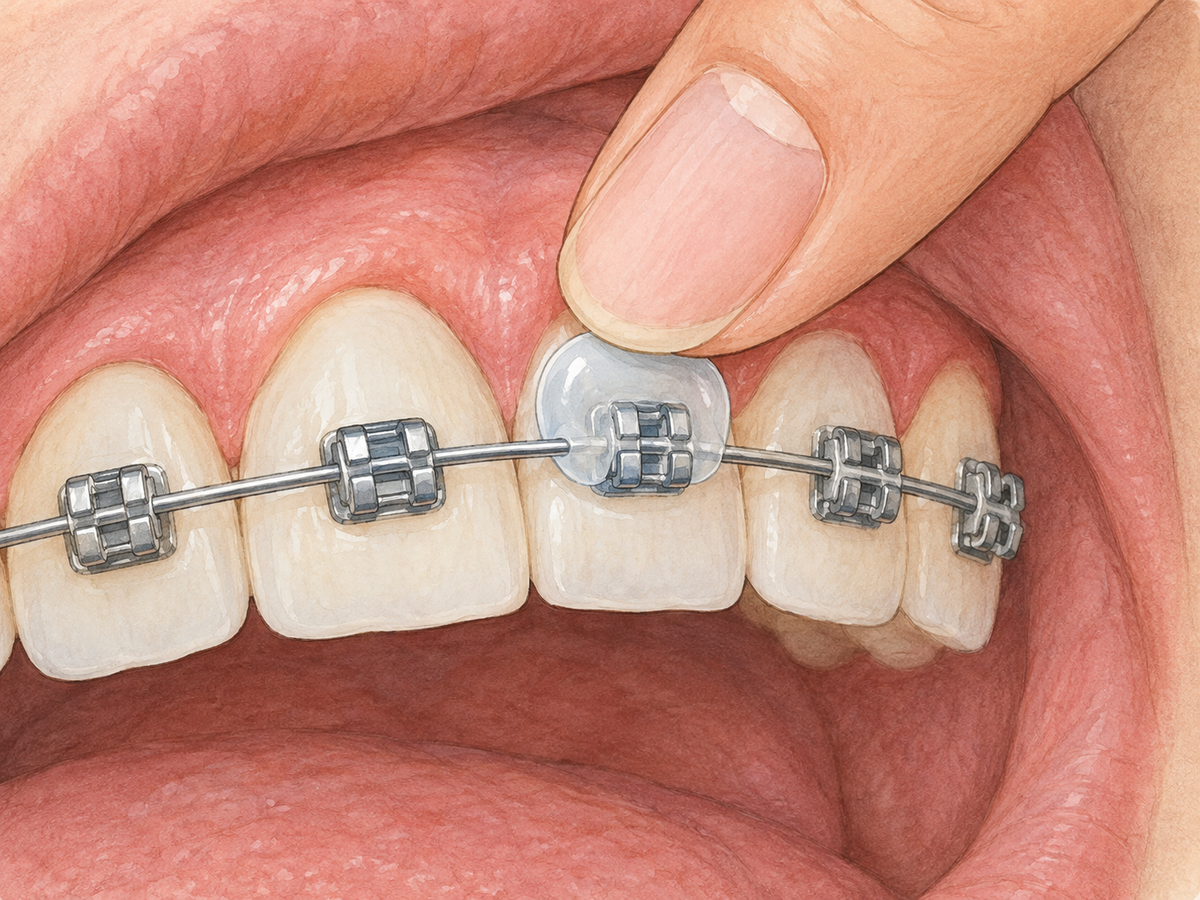
- Protect braces, retainers, or sharp teeth. Orthodontic wax over a bracket or wire can prevent rubbing. A dentist can smooth a sharp tooth or filling.
Food and Product Swaps
Irritating foods do not cause canker sores in everyone, but they can trigger or worsen an outbreak. Experts often advise limiting hard, acidic, salty, spicy, alcoholic, and carbonated items when your mouth is sensitive. Checking dental products for sodium lauryl sulfate is also a common recommendation.
| Instead of | Try |
|---|---|
| Citrus fruits, tomatoes | Bananas, melons, applesauce |
| Spicy or salty snacks | Yogurt, oatmeal, mild crackers |
| Nuts, chips, hard toast | Smooth nut butter, soft bread, eggs |
| Fizzy or acidic drinks | Water, milk, herbal tea |
Nutrients such as vitamin B12, folate, iron, and zinc support mouth tissue. You can get them from a varied diet. But do not self-treat with high-dose supplements. If you suspect a gap, ask a doctor or dietitian about testing first.
Check product labels too. Some mouthwashes contain alcohol or strong flavorings that can burn or dry the mouth. If your mouth is sensitive, choose an SLS-free toothpaste and an alcohol-free mouthwash.
At-Home Relief During a Flare
These steps can ease pain while a sore heals. They do not prevent future sores, but they make the next few days easier.
- Rinse gently with salt water: half a teaspoon of salt in a cup of warm water. Spit it out.
- Try a baking soda rinse: half a teaspoon in a cup of water. This may help calm irritated tissue.
- Sip cold water or let an ice chip dissolve near the sore. Cold can temporarily numb the area.
- Use an over-the-counter numbing gel or oral patch made for mouth sores. Topical treatments can relieve pain so you can eat and speak more comfortably.
- Pause trigger foods and drinks until the sore heals.
When to See a Dentist or Doctor
Most ordinary canker sores heal within one to two weeks. A sore that does not, or one that is unusually large or severe, deserves a professional look.
| Ordinary canker sore | Reason to see a professional |
|---|---|
| Smaller than 1 cm | Larger than 1 cm |
| Heals in 1–2 weeks | Lasts longer than 2 weeks |
| One or a few sores | Sores spread or come back very often |
| No fever | Fever or trouble eating and drinking |
| Heals between episodes | Never fully heals or keeps returning in the same spot |
Canker sores larger than 1 cm are often called major aphthous ulcers. They can take longer to heal and may look more concerning, so they should be checked. A sore that lasts beyond two weeks is a good reason for evaluation, because a persistent mouth sore can occasionally be a sign of something more serious.
A sore that lasts longer than two weeks, grows larger than 1 cm, spreads, or comes with fever is not something to wait out. See a dentist or doctor.
Seeing a professional is a smart next step, not an overreaction. They can rule out other conditions and decide whether you need a prescription. Topical corticosteroids are often used to reduce pain and speed healing, and blood tests may be recommended if sores are frequent or severe.
Common Prevention Mistakes
Good prevention is about choosing better habits, not being perfect. These mistakes are common and fixable.
- Overusing strong mouthwash. Alcohol-based or heavily flavored rinses can dry and irritate the mouth. Choose a gentler product if your mouth is sensitive.
- Ignoring long-term nutritional gaps. If your diet is low in B12, folate, iron, or zinc, or if you have digestive issues, ask about testing.
- Continuing the same trigger foods. If citrus, tomatoes, spicy snacks, or rough nuts reliably show up before sores, try a swap before a flare starts.
- Assuming every mouth sore is a canker sore. Cold sores, oral cancer, and autoimmune conditions can look similar but need different care.
Cold sores are caused by a virus, usually appear on or near the lips, and are contagious. Canker sores form inside the mouth and are not contagious. Some oral conditions can mimic canker sores, and a sore that does not heal can be an early sign of a more serious problem. Autoimmune conditions such as lichen planus or Behçet’s disease can also cause repeat mouth ulcers.
A Prevention Plan That Sticks
Prevention works best when it is simple and personal. Aim for progress, not perfection.
- Track triggers for 2–4 weeks. Note foods, stress, sleep, toothpaste changes, menstrual cycle timing, and when sores appear.
- Change one or two habits at a time. Start with a soft toothbrush and an SLS-free toothpaste, or cut back on the trigger food you see most often.
- Review what worked. If a change helps, keep it. If not, try another one.
- Get professional help if needed. If sores persist, worsen, or come with red flags, see a dentist or doctor.
The right goal is not zero canker sores forever. It is fewer flares, less pain, and a better sense of what your mouth needs. Start with one small change this week and pay attention to your own pattern.
This article has been reviewed by an oral health professional for accuracy. It is intended to provide general educational information and should not be used as a substitute for personalized medical advice, diagnosis, or treatment. If you have questions or concerns about your oral health, please consult a dentist, physician, or other qualified healthcare provider.