







Most roof-of-mouth burns are minor and can be managed at home. Cool the area gently with cool water or a cold, soft food, then protect it while it heals by avoiding harsh rinses and irritating foods. Most minor mouth burns improve in a few days and heal within about two weeks. See a medical or dental professional if you have severe pain, fever, swelling, trouble swallowing or breathing, or no improvement after 7–10 days.
Why a Burn on the Roof of the Mouth Hurts So Much
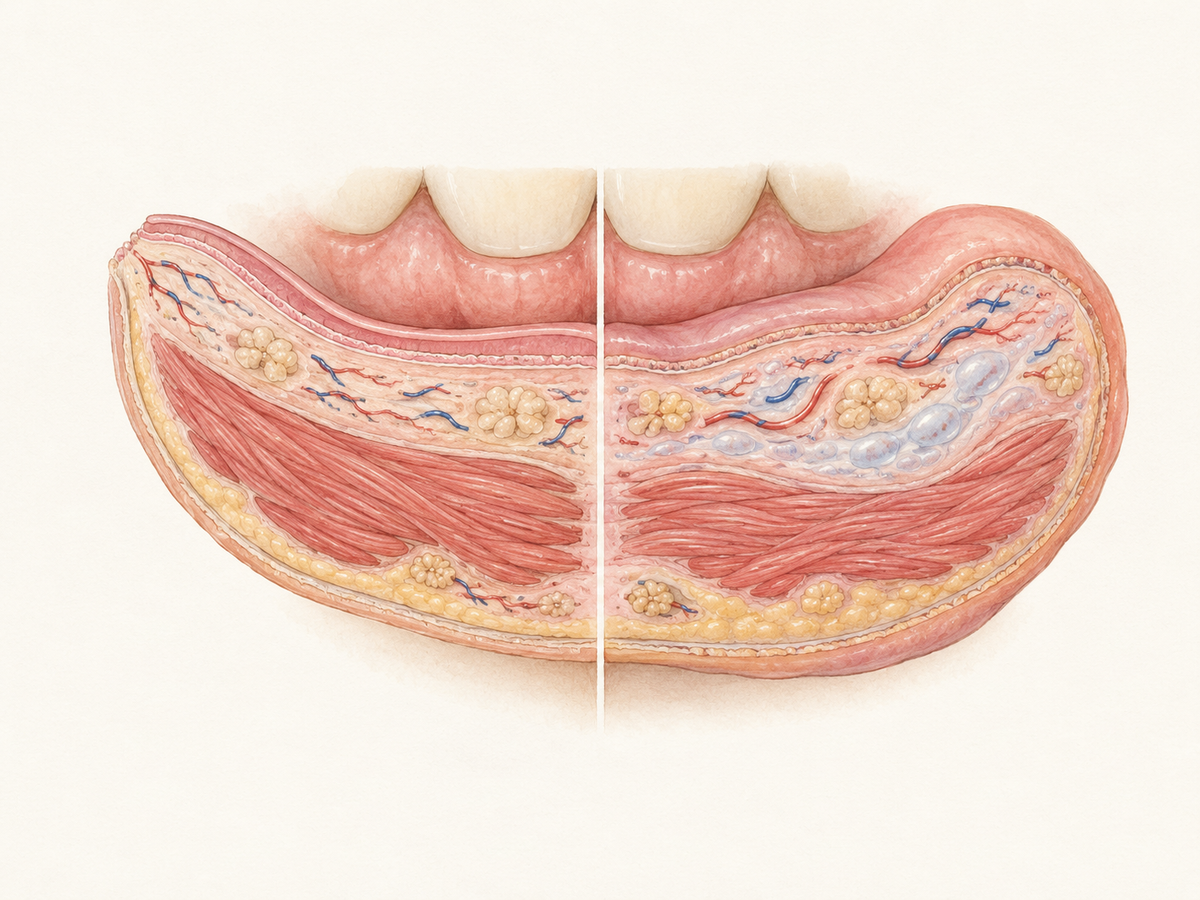
The roof of your mouth is called the palate. It is covered by a thin lining called the oral mucosa. This tissue has many pain-sensing nerve endings and blood vessels close to the surface. That is why a small scald from hot food or drink can feel surprisingly intense.
A thermal burn is simply a burn from heat. Common triggers include:
- Hot pizza cheese
- Microwaved soups or other foods
- Coffee or tea sipped too soon
- Foods that feel warm outside but are much hotter inside
A review of oral mucosal burns notes that heat burns in the mouth most often involve the palate and the tongue. Foods heated in a microwave can be especially tricky because soft or liquid centers, such as melted cheese, may be much hotter than the outside.
First 30 Minutes: Cool It Down Safely
The first goal is comfort, not a miracle cure. Start with gentle cooling:
- Sip cool water slowly.
- Hold a small ice chip briefly in the mouth, but do not press it in one spot for too long.
- Place a chilled spoon against the roof of the mouth.
- Eat a plain popsicle.
Cooling helps remove heat and may reduce pain. Burn first aid guidance supports cooling with cool running tap water, while ice can be harmful because it narrows blood vessels and may deepen the burn (primary burn management guidance). For a mouth burn, sipping cool water is the simplest safe version of that advice. Cool until the area feels more comfortable.
Safety rule: Cool the burn gently and skip harsh home remedies. Do not put alcohol, hydrogen peroxide, salt, or aspirin on the burn.
Avoid these in the first 30 minutes and while the area heals:
- Alcohol or alcohol-based mouthwash
- Hydrogen peroxide
- Rubbing salt or aspirin on the burn
- Holding ice directly against one spot too long
These can irritate the thin mouth lining or cause more tissue damage.
Home Remedies and Gentle Oral Care
After the first day, the area is still tender. A few simple steps can keep it clean and reduce irritation.
- Rinse gently with saltwater or baking soda water. A saltwater rinse may help keep the area clean and reduce bacterial growth (oral mucosa review).
- Use a small amount of plain honey. Honey can coat the sore area and may support healing, according to an evidence-based review of oral mucosal care.
- An over-the-counter oral gel with benzocaine or lidocaine can ease pain for a short time. These are numbing gels. Use them only as directed. For children, check with a doctor or dentist first, because numbing gels can be harmful if overused or swallowed.
- Brush gently, and keep the brush away from the burned spot when possible.
- Avoid harsh mouthwash and whitening products while the area heals.
- Do not pick or peel any white or gray tissue that forms. It is often part of the normal healing cover.
Topical numbing gels can be useful for short-term pain relief from minor mouth sores, according to clinical guidance on common oral lesions.
What to Eat and Avoid
What you eat can make the difference between a sore that calms down and one that keeps stinging.
Soft, cool, bland foods are usually easiest:
- Yogurt
- Smoothies
- Mashed potatoes
- Scrambled eggs
- Cold soups
Things to skip:
- Spicy foods
- Salty foods
- Acidic foods, like tomatoes or citrus
- Crunchy foods, like chips or toast
- Very hot foods and drinks
- Alcohol and tobacco
A straw can help liquids pass by the roof of the mouth. Avoid extremely hot or very cold drinks, even with a straw, because extreme temperatures can trigger pain. Lukewarm or gently cool drinks are usually more comfortable.
What Normal Healing Looks Like
A minor roof-of-mouth burn usually improves within 3–7 days and often heals fully within two weeks. The lining of the mouth repairs quickly, so many mild mouth burns heal on their own within about a week (oral mucosa review).
During healing, a white or gray patch may form over the burn. This can be a layer of damaged tissue that the body is replacing. White areas in the mouth can occur after a burn as the surface tissue heals (oral medicine guidance). Do not pick at it.
Increasing pain, redness, or swelling is not normal. Those signs, especially with fever or pus, point to possible infection. Keep the area clean and protected, and let the body do the repair work.
When to Call a Dentist or Doctor
Most roof burns are minor, but certain signs need professional care.
Call a dentist or doctor if you have:
- Severe or worsening pain
- Fever
- Pus or a yellow or green discharge
- Swelling that increases
- A burn from a chemical or an electrical source
- A sore that is not improving after 7–10 days
Get urgent care if you have:
- Trouble swallowing
- Trouble breathing
- Swelling in the throat or tongue
- A burn that feels like it is affecting your airway
Chemical and electrical burns are different from a simple hot-food burn. They can cause deeper injury and need professional evaluation (oral mucosa review). For burn wounds that are not healing as expected, clinicians are advised to refer when there are concerns about healing, pain, or infection (minor burns guidance).
How to Avoid the Next Burn
Small habits can prevent repeat pain.
- Let hot foods cool before taking a bite.
- Test microwave-heated food in a small amount first. Stir and wait.
- Be extra careful with pizza, melted cheese, and hot fillings.
- Let coffee or tea cool longer than you think.
- Slow down while eating.
If you often notice a burning feeling in your mouth without an obvious hot-food burn, acid reflux can sometimes be a cause (GERD and oral health review). A dentist or doctor can help figure that out. A little patience and a few careful habits can keep the roof of your mouth comfortable.
This article has been reviewed by an oral health professional for accuracy. It is intended to provide general educational information and should not be used as a substitute for personalized medical advice, diagnosis, or treatment. If you have questions or concerns about your oral health, please consult a dentist, physician, or other qualified healthcare provider.