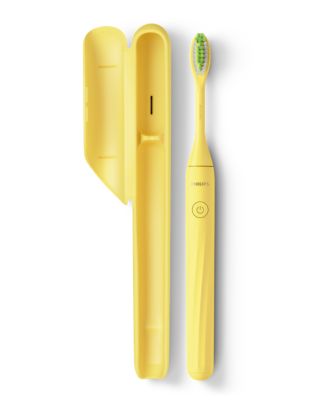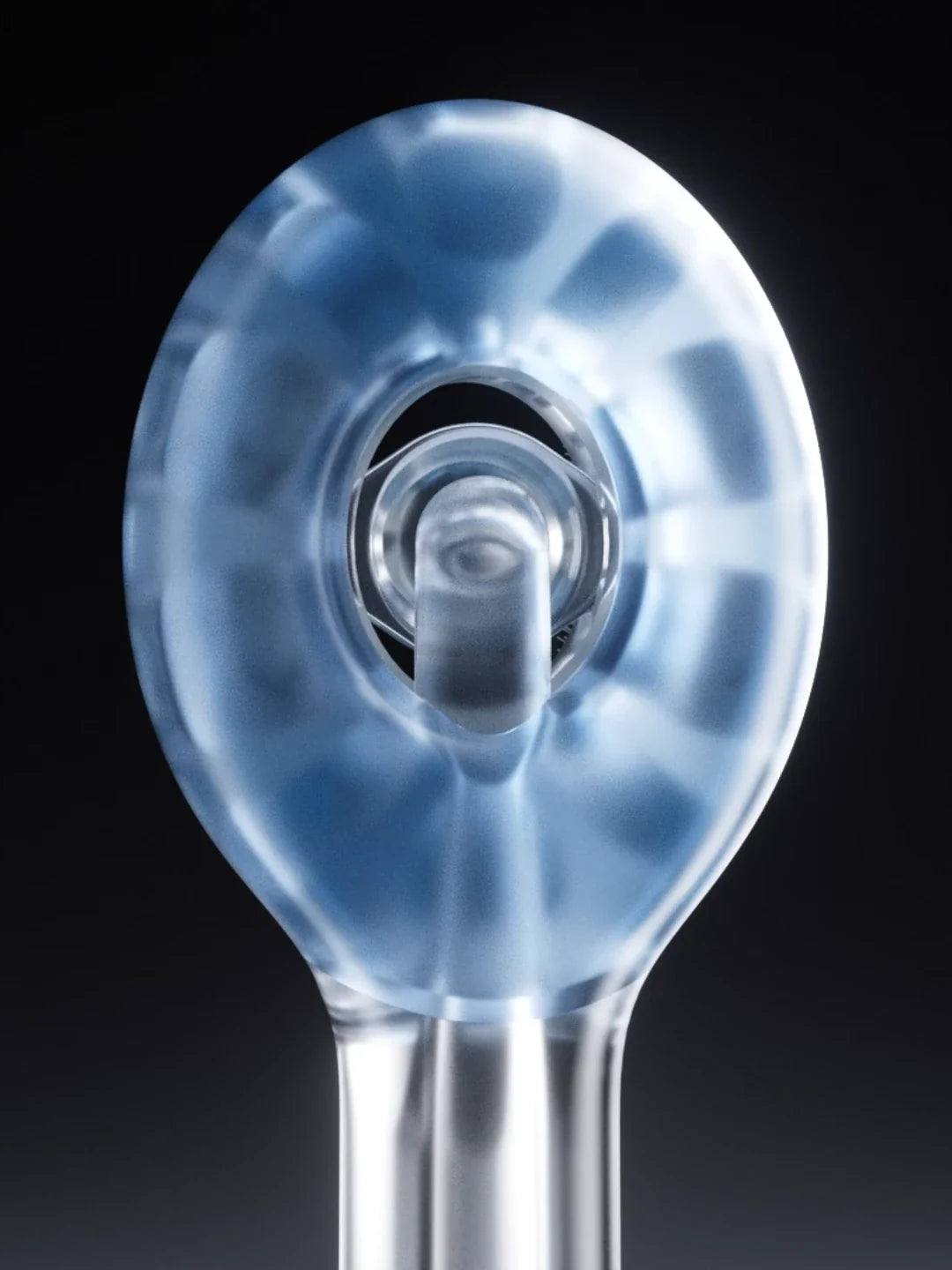
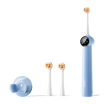
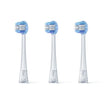
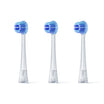

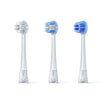
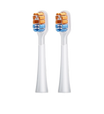
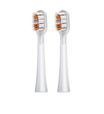






For most people, the copper-free label should not decide the purchase. Traditional heads with small metal anchors are mature, low-cost, and reliable, while copper-free heads can be well made or poorly made depending on the brand. The bigger priorities are soft bristles, rounded tips, a small head, a secure fit, and replacing the head every 3 to 4 months or as soon as the bristles splay.
Rule of thumb: Replace any toothbrush head at least every 3 to 4 months, sooner if the bristles look bent or spread out, and after you have had an infection.
What “Copper-Free” Actually Means
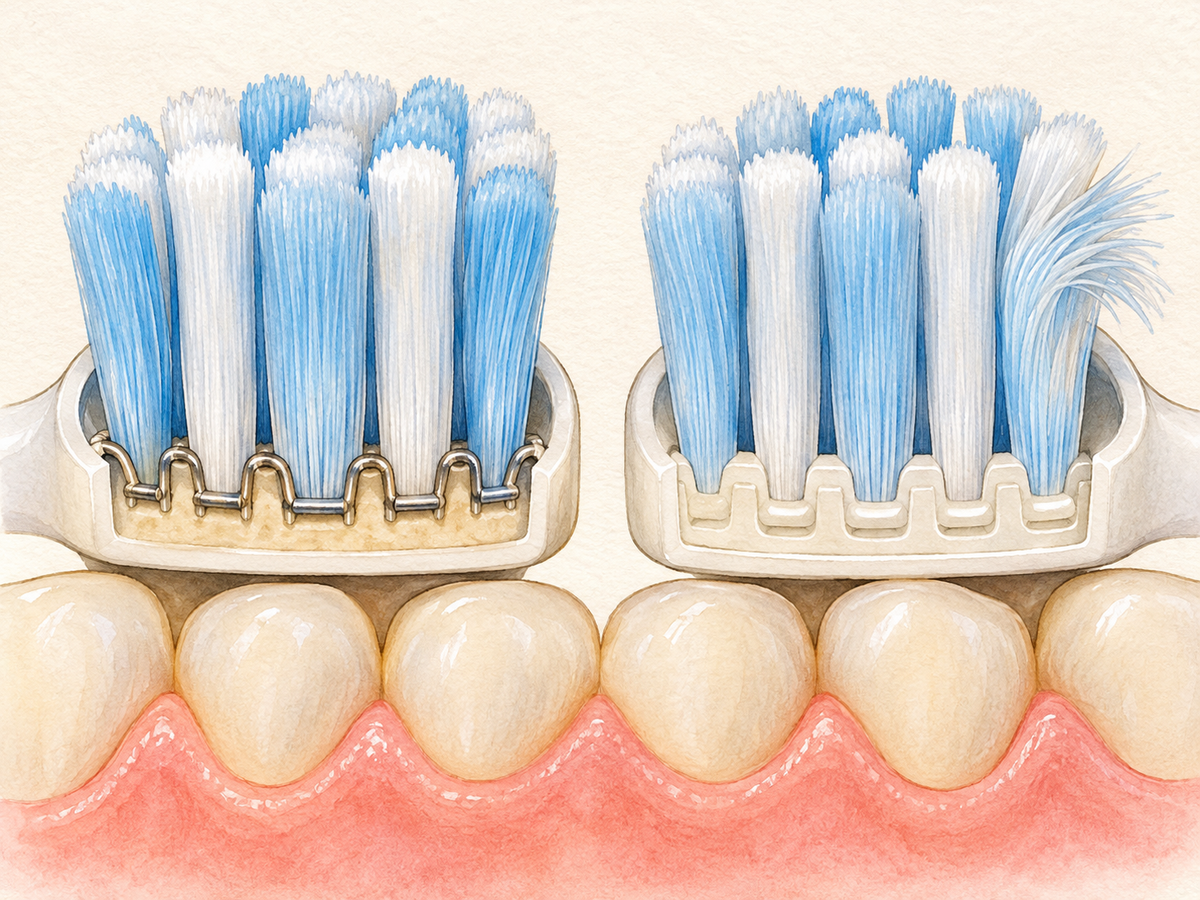
Traditional brush heads are built with clusters of bristles called bristle tufts. Each tuft is folded at the base and held in place by tiny metal rings or pins. Copper-free heads replace those metal anchors with plastic-based methods:
- Heat-staking: melting plastic to secure the bristles.
- Ultrasonic welding: using sound waves to fuse plastic.
- Plastic plugs: plastic fasteners that hold the tufts.
This is a manufacturing difference, not a health standard. A close-up manufacturing study of adult toothbrushes found welded bristle bundles at the base in only one product, and the quality of the brush construction varied widely across brands, according to research on bristle anchoring and end-rounding. “Copper-free” is a design claim, not an official or regulated label, so one brand’s copper-free head may be built very differently from another’s.
Safety and Hygiene: What the Risk Really Is
The realistic concern with metal anchors is trapped moisture and debris, not copper exposure. Copper toxicity from a toothbrush head is not a meaningful worry.
Metal anchor points can create small gaps where water, paste, and food debris collect. Over time, this may cause discoloration or rust-like deposits. Germs can build up in those crevices, but all toothbrushes collect germs regardless of how the bristles are attached.
Some older research suggested that welded tufts may offer hygienic advantages. However, a direct comparison of anchoring methods found that all heads retained a substantial amount of microorganisms regardless of technology. Immediately after brushing, the in-mold heads actually retained more microbes than staple-set heads, though the difference faded after a few hours, according to a comparative study on tuft anchoring. A separate study found that metal staples can build up biofilm with prolonged use and recommended replacing brushes within 1 to 3 months.
So do not choose copper-free because you assume it is cleaner. Instead, rinse the head thoroughly after each use, store it upright, let it air-dry, and replace it on schedule.
Durability: Which Head Holds Up Longer
Traditional copper or metal anchoring is a mature and reliable process. It is not automatically weak or dangerous.
Copper-free durability depends heavily on the manufacturer’s welding quality. A bad weld can loosen tufts or allow more moisture into the base. That does not mean copper-free is worse, but it means “newer” does not automatically mean “longer lasting.”
Metal staples do degrade over months of moisture and repeated stress. One study reported progressive loss of strength and corrosion deposits by 6 months, which supports replacing the head around 3 months rather than avoiding metal entirely, according to research on metal staple wear.
Bristle wear is a more practical signal than the anchor type. In one study, bristles spread significantly after one month of use, and in a separate trial plaque removal was lower after about two months in polybutylene terephthalate toothbrushes, according to an analysis of bristle deflection and splaying and a randomized controlled trial on bristle splaying.
Expect either head style to serve a normal replacement cycle if it comes from a brand with decent quality control. Watch for tufts falling out, bristles spreading, or the head becoming loose.
Cost per Year, Not per Pack
Shelf price can be misleading. A cheap 4-pack used four times a year can cost less overall than a pricey 2-pack.
To compare fairly:
- Find the cost per head.
- Decide how many heads you use per year. If you replace every 3 months, that is 4 heads.
- Multiply the cost per head by 4.
A copper-free premium may be justified if you dislike visible metal or rust staining and the bristle quality is equal. It is harder to justify if the head is otherwise the same and you replace it every 3 months anyway. Do not pay a large markup for a feature that does not change your daily brushing experience.
What Matters More Than the Copper Question
The anchor method is low on the list of things that affect comfort and gum health.
Clinical guidance recommends a small toothbrush head with soft or medium bristles, according to professional consensus on tooth brushing. Bristle softness matters more than anchor type because hard bristles can hurt gums. A systematic review found that hard-bristle brushes produced more gum lesions than medium or soft brushes.
Rounded bristle tips are also important. Not all brushes do this well, and sharp or poorly finished tips can irritate gum tissue. Replacement frequency matters too: aim for every 3 to 4 months, or sooner if the bristles are visibly bent or frayed.
Check in this order:
- Soft or extra-soft bristles
- Rounded bristle tips
- Small head that reaches your back teeth
- Secure fit on your handle
- Replacement every 3 to 4 months
How to Choose: Match It to Your Situation
First, check compatibility. Powered brush heads are not universal, and newer or smaller brands may not fit your handle model. Consumers should check that a replacement head matches their brush, as powered toothbrush designs vary in motion and retention.
Heavy brusher
You will splay bristles quickly. Prioritize soft or medium bristles and replace the head as soon as it flares. Choose a trusted name-brand head with secure tufting if you brush hard.
Sensitive gums
Prioritize extra-soft bristles and good end-rounding. Choose an extra-soft head with rounded tips if your gums bleed or hurt easily.
Budget-focused buyer
Compare yearly cost, not the price on the shelf. Traditional metal-anchor heads are often the cheaper reliable option. Choose a traditional multi-pack if you want the lowest dependable yearly cost.
Sustainability-minded shopper
Avoid stockpiling, and look for less packaging or a recycling program if your brush brand offers one. Copper-free is not automatically greener. Choose a brand with packaging or recycling practices you can manage if environmental impact is your main concern.
Shared bathroom with poor ventilation
Moisture is the main enemy. Rinse, shake off excess water, and let the head air-dry upright. If visible rust or metal stains bother you, a copper-free design may look cleaner. Choose a copper-free head if you want less visible metal, but still allow it to dry after each use.
Common Buying Mistakes
- Assuming third-party “copper-free” means good fit. Third-party heads often claim copper-free but may attach poorly, vibrate, or loosen. Fix: confirm the exact model compatibility before buying.
- Mixing up “metal-free” with “allergen-free.” Metal-free refers to the anchor, not the bristles, dyes, flavors, or other materials. Fix: if you have a known allergy, check the full material list rather than relying on the copper-free label.
- Stockpiling heads in a damp cabinet. Heads can collect moisture and degrade before you even open the package. Fix: buy what you need for one replacement cycle and store heads dry.
- Paying a big markup for the copper-free label. If bristle softness, head size, and fit are similar, the daily experience is likely similar too. Fix: compare bristle quality and yearly cost before comparing buzzwords.
Before you buy, check three things: soft or extra-soft bristles, rounded tips, and a model that fits your handle. Copper-free is a construction detail, not a shortcut to a healthier mouth.
 Best Overall
 Best Value
 Best for Sensitive Teeth