

















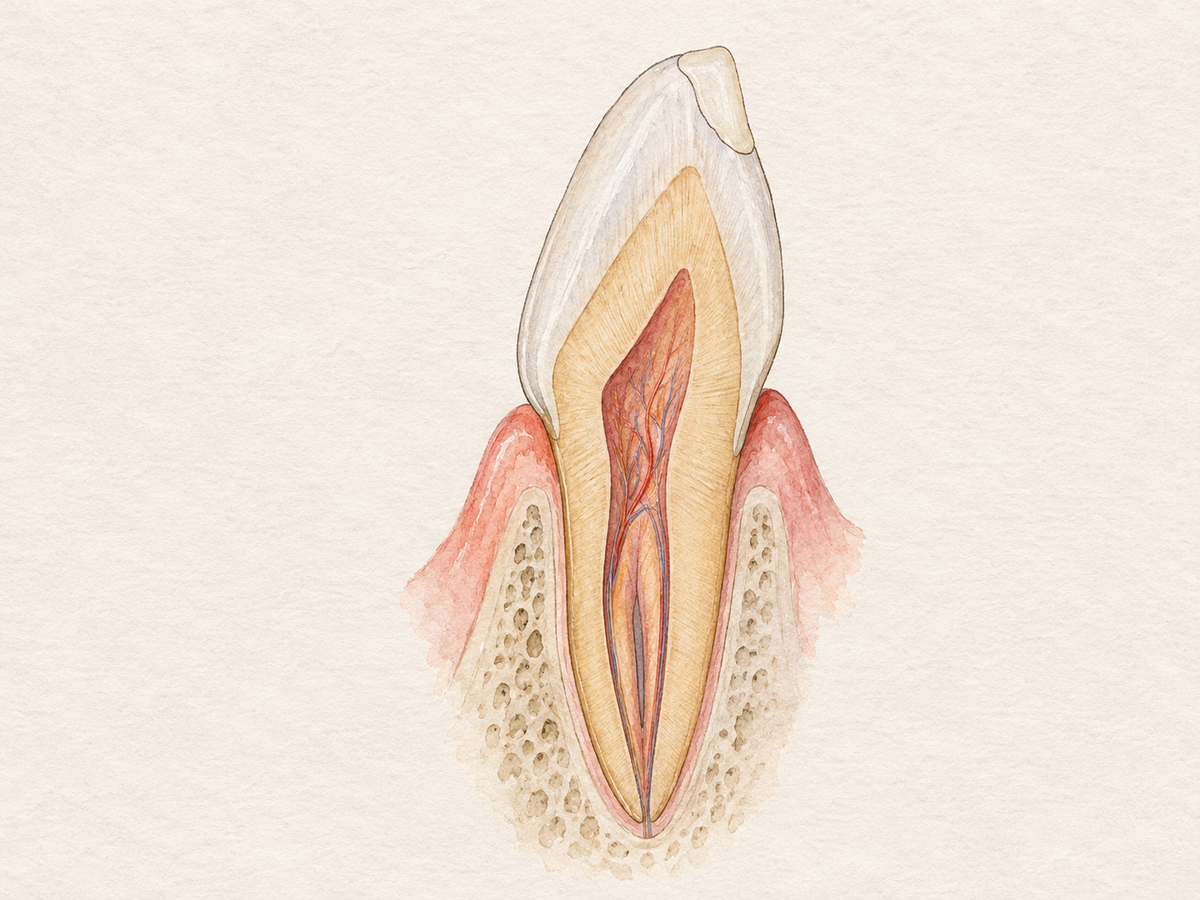
Composite resin bonding can be a smart choice if your main concerns are small chips, minor gaps, uneven edges, or a stained spot that whitening cannot fix, and your teeth and gums are otherwise healthy. It is less invasive than veneers or crowns because it usually adds material instead of shaving away healthy enamel. It is not the right fit if you grind heavily, have large gaps, major alignment problems, or need a large structural repair.
Think of bonding as a conservative fix for small, stable cosmetic flaws — not a replacement for braces, bite correction, or rebuilding a heavily damaged tooth.
What Bonding Actually Fixes
Composite resin bonding uses a tooth-colored, paste-like material that your dentist shapes and hardens directly on the tooth. It is sometimes called dental bonding or cosmetic bonding.
Bonding is useful for:
- A small chipped or broken tooth edge
- Minor gaps between teeth
- Uneven or worn edges
- A stained spot that whitening cannot improve
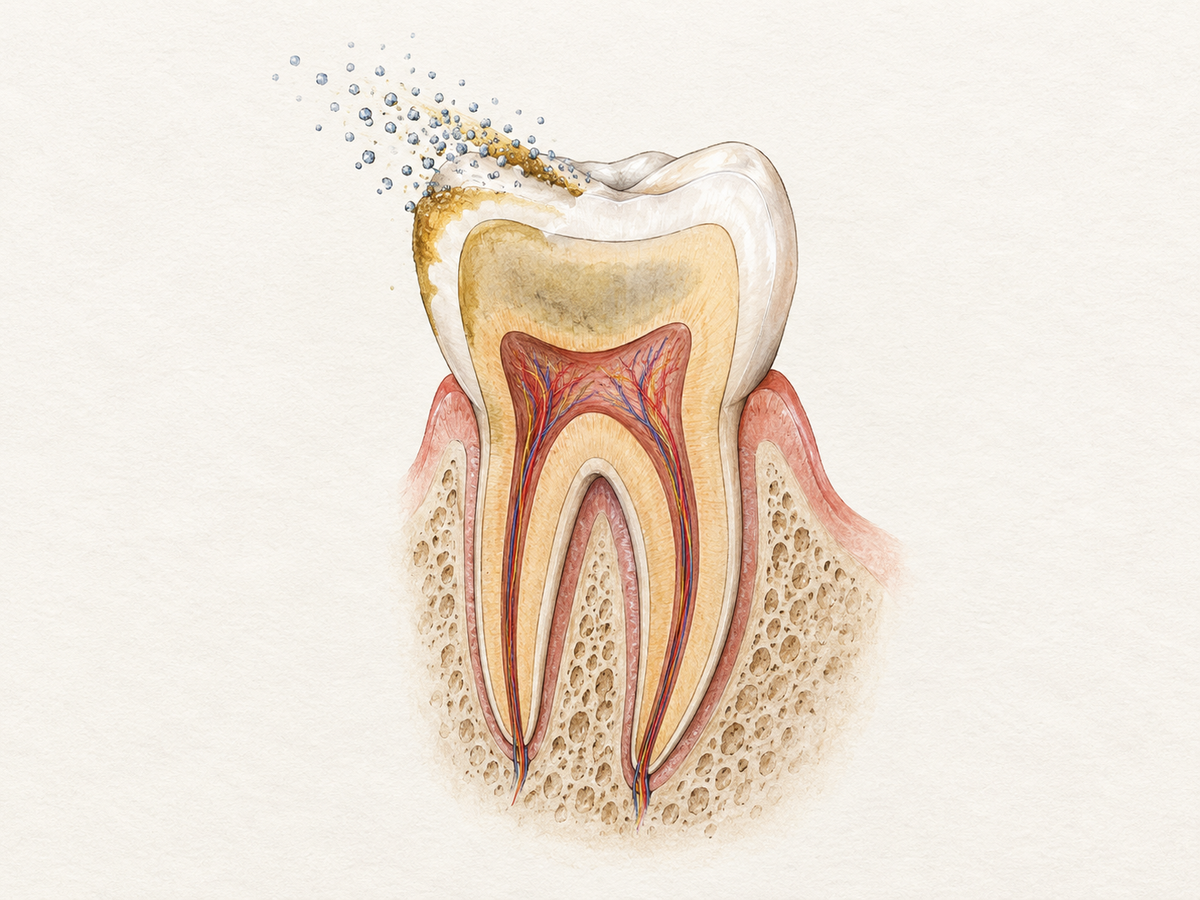
Bonding is conservative because it adds material rather than removing healthy enamel. Enamel is the protective outer layer of the tooth, and keeping it intact is better for long-term tooth strength. Clinical guidance supports composite restorations for tooth shape corrections because they are minimally invasive and preserve tooth structure, according to evidence-based guidance on direct composite restorations.
Bonding is not designed for large structural repairs, major misalignment, or bite problems. Those concerns usually need braces, aligners, or crowns.
How the Appointment Works
Most bonding is done in one visit, often 30 to 60 minutes per tooth. The results are visible the same day.
The process usually follows these steps:
- Color matching. The dentist picks a shade close to your surrounding teeth.
- Gentle etching. A mild liquid roughens the tooth surface slightly so the resin can grip. Phosphoric acid etching is recommended to help the bond last and reduce discoloration at the edges, according to composite processing guidance.
- Resin application. The dentist layers the tooth-colored material and shapes it.
- Hardening. A special dental light sets or cures the resin.
- Polishing. The dentist smooths and shines the surface. Polishing is advised to reduce plaque buildup and improve the finish, according to composite processing recommendations.
Local anesthesia is often optional. Many people feel little more than pressure or water spray. If the tooth needs no decay removal or only a small repair, you may not need numbing at all.
Who It Suits — and Who It Doesn’t
Bonding works best when the tooth and surrounding tissues are healthy.
Good candidates usually have:
- Healthy gums
- Enough enamel for the resin to grip
- A stable bite that does not put heavy force on the bonded area
- Regular brushing and flossing habits
Bonding may fail early if you:
- Grind or clench your teeth, also called bruxism
- Have active gum disease that has not been controlled
- Need major tooth movement or bite correction
Your personal risk factors matter. Clinical guidance notes that patient-specific risk factors, especially a high cavity risk, can significantly affect how long composite restorations survive, according to composite restoration guidelines. Large gaps, severe discoloration, or heavy bite forces often point to veneers, orthodontics, or bite treatment instead.
Bonding vs. Other Options
The right treatment depends on your main goal.
| Your main goal | Bonding | Veneers | Whitening | Aligners or braces |
|---|---|---|---|---|
| Small chip or worn edge | Fast, low-cost fix | Longer-lasting but more involved | Does not fix shape | Not designed for this |
| Minor gap | Can close small spaces | Can close gaps | No effect on gap | Better if teeth are crooked |
| Color only | Covers a stained spot | Covers severe staining | Brightens the whole tooth | Not related to color |
| Large structural or bite issue | Not enough support | Not enough for major damage | Not related | May be the right choice |
Bonding is usually the fastest, cheapest, and least invasive option for small chips and gaps. Veneers tend to last longer and resist stains better. In one 10-year trial, ceramic veneers performed significantly better than indirect composite veneers in survival and color match, according to clinical findings on veneer materials. Whitening only changes color, so it will not fix a chip or gap. Aligners move teeth, so they are better when a gap comes from tooth position.
Cost, Insurance, and Longevity
Bonding is usually the lowest-cost option among cosmetic treatments. The exact fee depends on your dentist, location, and how many teeth are treated, so ask for a written per-tooth estimate before you book.
Insurance often treats bonding as a cosmetic treatment when it is done only for appearance. Many dental plans exclude or limit cosmetic bonding, according to a review of dental insurance coverage. If bonding is needed to repair decay or an injury, it may fall under restorative coverage instead.
Bonding typically lasts about 3 to 10 years, depending on your bite, habits, and care. That is shorter than a well-made ceramic veneer or crown. The lower upfront cost comes with periodic repair or replacement over time.
Small chips, stains, or rough edges can often be repaired without redoing the whole tooth. Repair is less invasive and cheaper than full replacement. Clinical guidance on repair or replacement of direct restorations emphasizes repair whenever possible to preserve healthy tooth structure.
Risks and Aftercare
Composite resin is generally safe and well tolerated. But it has real limitations.
Common concerns include:
- Staining from coffee, tea, red wine, or smoking
- Chipping or cracking from hard foods or habits
- Color mismatch if the shade is not matched carefully
- Rough or sticky edges where the resin meets the tooth
- Plaque buildup at the margins, where the bonding meets the natural tooth
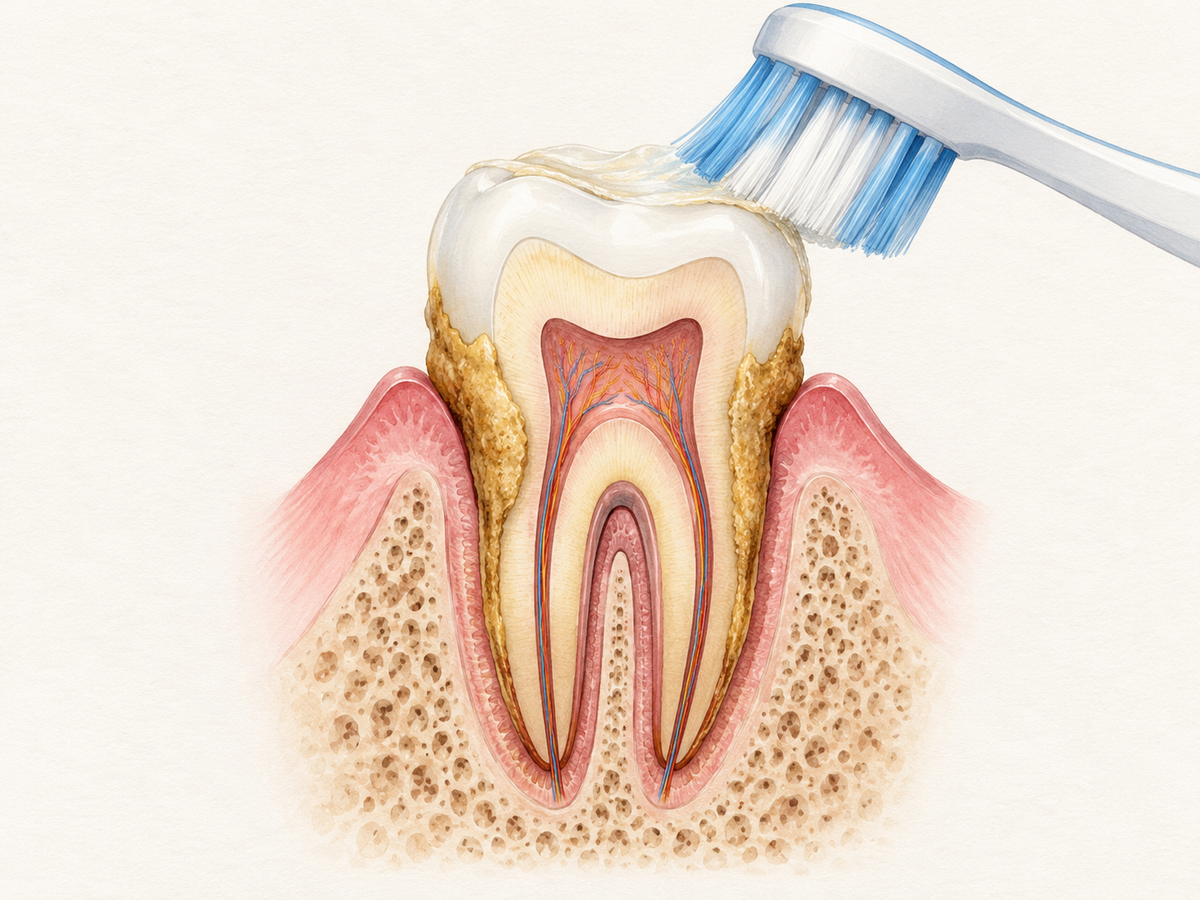
Composite restorations can gather more plaque at the tooth-material edge than natural tooth, according to research on the composite-tooth interface. That makes good cleaning important.
Good aftercare helps:
- Avoid biting nails, ice, pens, or hard candy
- Limit staining drinks, or rinse with water afterward
- Brush twice a day and floss gently around the bonded area
- Keep regular dental cleanings
- Wear a night guard if you grind or clench
Most problems are fixable. A dentist can often smooth a rough edge, polish out surface stain, or patch a small chip. Replacement is usually only needed when the bonding is badly stained, worn, or broken. If an edge feels sharp or your bite feels off, call your dentist rather than waiting.
Questions to Ask Before You Book
At a consultation, ask directly:
- How often do you do cosmetic bonding?
- How do you match the shade to my surrounding teeth?
- What happens if it chips or stains?
- How long should I expect this bonding to last?
- What would replacement cost?
- Would veneers, whitening, or aligners do a better job for my goal?
If the plan feels rushed or unclear, get a second opinion. A short conversation can save you from paying for a treatment that does not match your goal.
Your Next Step
If you have small, stable flaws and healthy teeth, book a cosmetic consultation. Ask for a visual plan or mock-up so you can preview the result before committing.
If you grind, have large gaps, or want a longer-lasting result, ask specifically about veneers, orthodontics, or bite treatment. Use the consultation to compare risks, costs, and timelines before deciding.
Bonding is a useful, conservative cosmetic option, but it is not a forever fix. It works best for small, healthy teeth and realistic expectations.
This article has been reviewed by an oral health professional for accuracy. It is intended to provide general educational information and should not be used as a substitute for personalized medical advice, diagnosis, or treatment. If you have questions or concerns about your oral health, please consult a dentist, physician, or other qualified healthcare provider.