Veneers are thin, tooth-colored covers that can fix deep staining, chips, gaps, and shape problems that whitening cannot resolve. The trade-off is real: placing them usually means permanently removing a small amount of tooth enamel, so they are not reversible. People often report high satisfaction with well-made veneers, but they are not right for everyone—especially if you have untreated gum disease, active decay, or a heavy tooth-grinding habit.
The main thing to know: veneers can deliver a major smile improvement, but they are a permanent cosmetic procedure. Treat them as a serious dental decision, not a simple beauty upgrade.
What Veneers Actually Are (In 60 Seconds)
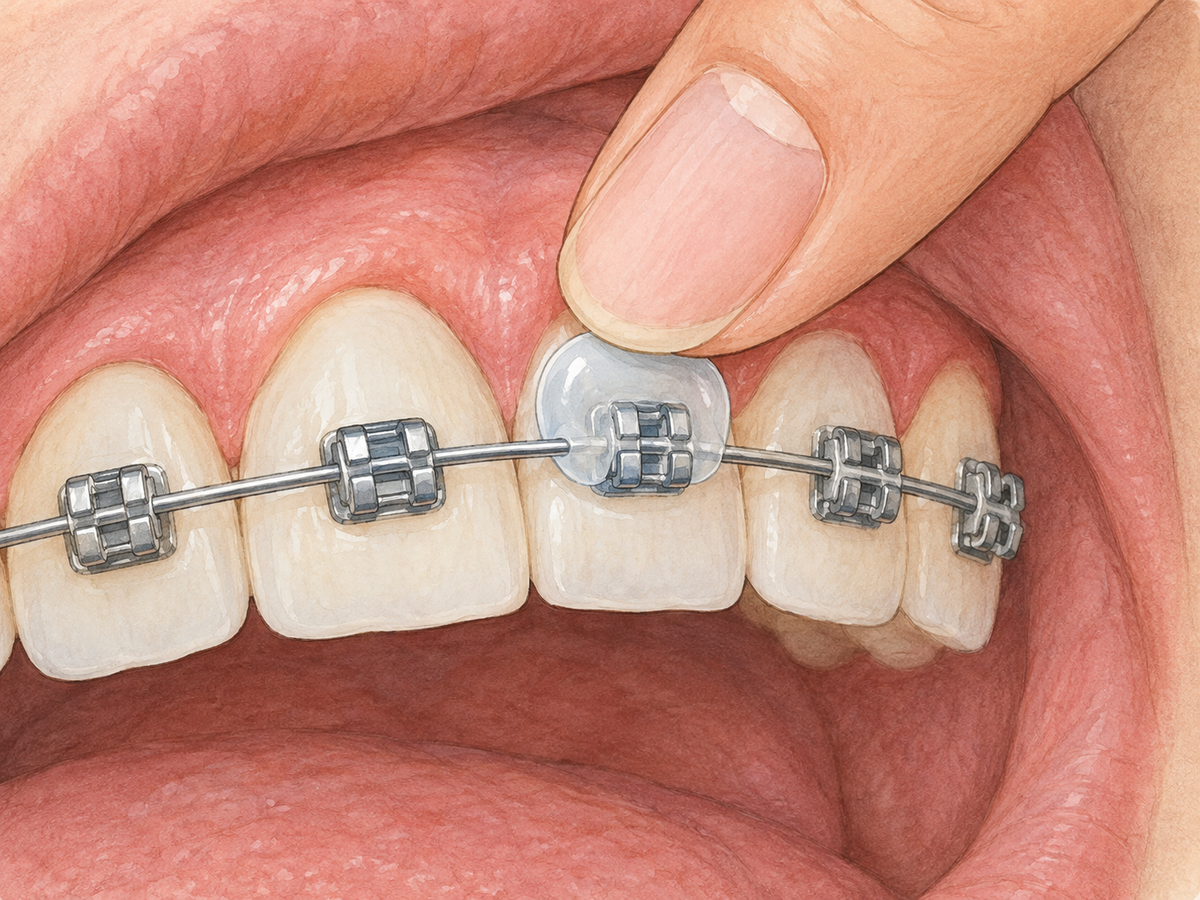
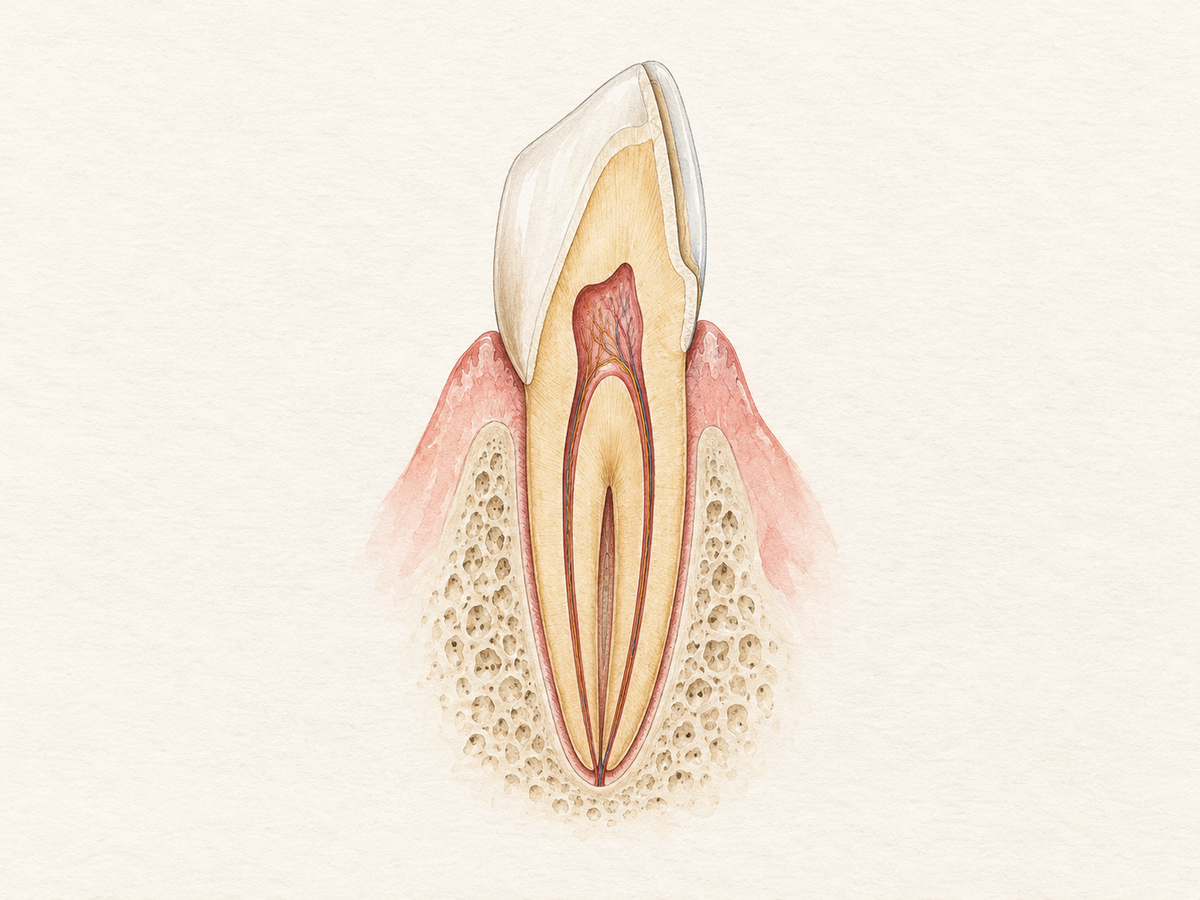
A dental veneer is a thin shell that a dentist bonds to the front-facing surface of a tooth. The front-facing side is called the facial tooth surface. The shell is held in place with adhesive, a process called tooth bonding.
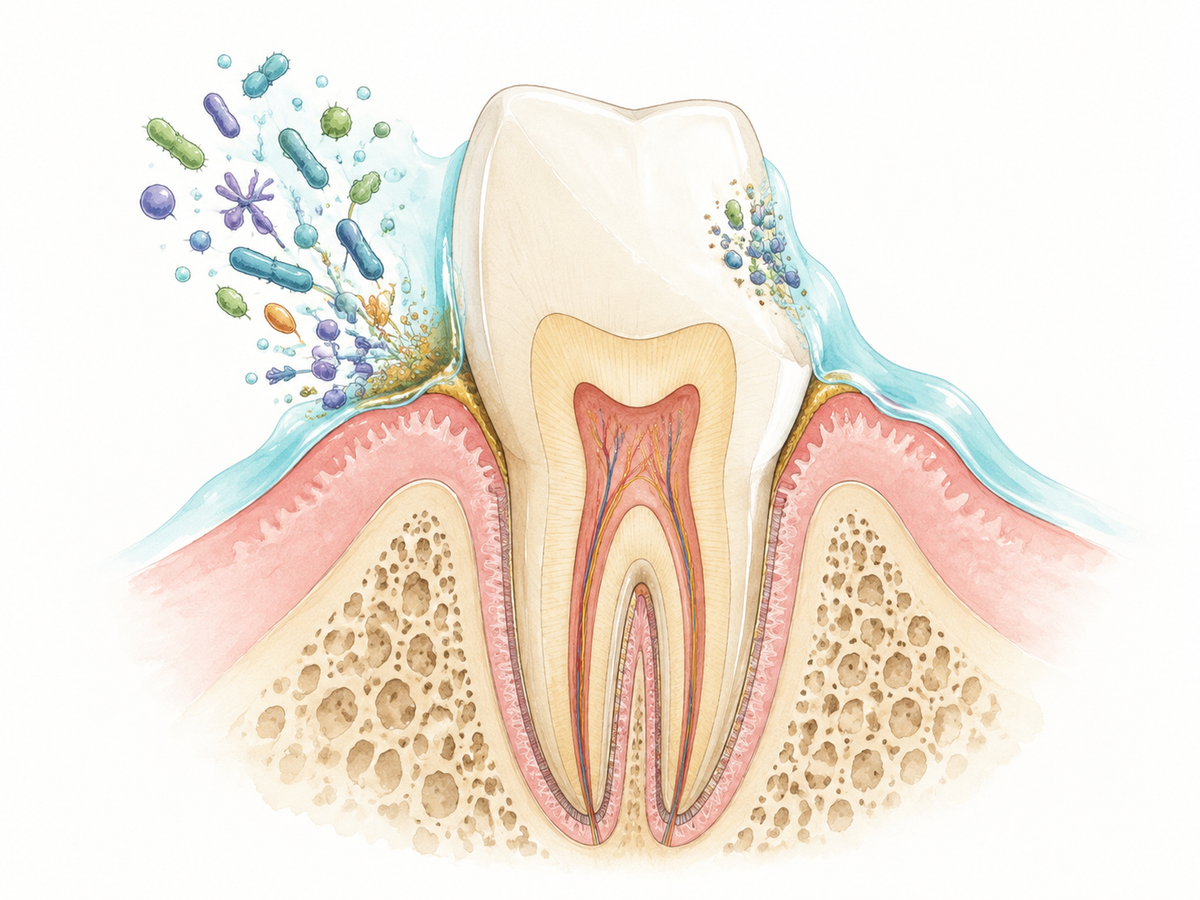
For most veneers, the dentist first does tooth preparation: shaping or lightly reducing the front of the tooth to make room for the shell. That means removing some of the tooth enamel, the hard outer protective layer of the tooth. Enamel does not grow back. This is the single most important fact behind the cons discussed later.
Some veneers are called “no-prep” or “minimal-prep” because very little enamel is removed. Those can be a good option for selected cases, such as small teeth or teeth that sit slightly back, but they are not for everyone. The final shape and color needed should drive how much tooth is reduced, according to clinical guidance on minimally invasive veneers.
The Real Upsides (The Pros)
Veneers can improve several specific problems that are hard to fix with whitening alone:
- Deep discoloration that whitening can’t fix. Some stains sit deep inside the tooth, such as discoloration from certain medications or an old injury. Surface bleaching cannot reliably reach those. Ceramic veneers have been used successfully to mask this type of internal staining and improve tooth color.
- Chips and small fractures. A veneer can restore a missing corner or worn front edge.
- Gaps between teeth. A visible space, called a diastema, can be closed or made less noticeable.
- Shape and size corrections. Small, pointed, or uneven teeth can be reshaped to blend with the rest of the smile.
- A more natural look. Quality porcelain can mimic the way a real tooth lets light through, called tooth translucency. That reduces the flat, fake appearance people often worry about.
The emotional payoff can be real. In a study of 68 patients with 312 veneers followed for an average of 8 years, people reported high satisfaction and better oral health-related quality of life after treatment. That included patients with a past history of gum disease once their gums were stable.
Still, the result depends heavily on case selection, the material used, and the skill of the dentist and lab. Veneers are not a guarantee of a perfect smile.
The Hidden Trade-offs (The Cons)
The biggest trade-off is permanence.
Enamel removal is permanent. Once enamel is removed, it does not grow back. Minimal-prep and no-prep veneers can reduce this, but they are only suitable for selected cases. In many situations, some enamel must be removed to make room for the veneer without creating a bulky look.
Sensitivity can happen. If preparation reaches the softer layer under enamel, called dentin, the tooth may become more sensitive to hot, cold, or air. This is called dentin hypersensitivity. Keeping the preparation within enamel helps reduce this risk.
Replacement is part of the long-term picture. Veneers are long-lasting but not forever. A systematic review estimated a 10-year survival rate of 95.5% for porcelain laminate veneers. That means most lasted 10 years, but some did not. Fracture and debonding were the most common reasons for failure, and a failed veneer usually needs replacement rather than a simple patch.
Shade matching can go wrong. Poor color matching is a common fear, and it can happen. One study found that chairside-only shade matching and chairside mock-ups were associated with higher odds of early dissatisfaction leading to refund or retreatment. This is why asking about the shade process matters.
A veneer can look too bulky. An overcontoured veneer looks thick or prominent. This can occur when there is not enough tooth reduction, or when a no-prep approach is used in the wrong case. Some no-prep veneers may also trap stain at the edge over time.
If you have persistent pain, a loose veneer, or a sharp edge that cuts your tongue or cheek, call a dentist. Those are warning signs that should not be ignored.
The Cost Factor: Why the Price Varies
There is no single price for veneers because the final fee depends on several practical factors:
- Where you live. Dental office overhead and typical fees vary by city and region.
- The dental laboratory fee. Quality veneers are usually custom-made by a lab. High-quality lab work costs more.
- The dentist’s skill and experience. A cosmetic dentist with advanced training and a strong portfolio typically charges more. That skill directly affects the final look.
- How many teeth are treated. Cost scales with the number of teeth. Treating one chipped tooth costs less than treating eight front teeth.
Be cautious about choosing a dentist mainly because the quote is low. You are paying for skill, lab quality, and time. A discount choice may mean no mock-up, a lower-cost lab, or rushed shade matching. That can lead to mismatched or bulky veneers that are expensive to redo.
Porcelain vs. Composite: Which Trade-off Wins?
There are two main material options.
A porcelain veneer is a ceramic shell custom-made by a dental laboratory. A composite resin veneer is made from tooth-colored resin and is applied or shaped by the dentist.
Ceramic veneers generally offer better long-term color stability, strength, and durability. Composite veneers are usually less expensive and easier to repair, but they may stain or wear sooner.
| Factor | Porcelain veneers | Composite resin veneers |
|---|---|---|
| Longevity | Higher long-term survival in most studies. | Less durable in some long-term studies. |
| Tooth reduction | Usually requires some enamel shaping, though minimal options exist. | Often more conservative; sometimes additive. |
| Stain resistance | Stronger color stability. | More likely to stain or dull over time. |
| Repairability | Can chip or fracture; may need replacement if severe. | Easier to repair or polish in the mouth. |
| Cost | Higher upfront. | Lower initial cost, but possible more touch-ups. |
| Best fit | Long-term, high-aesthetic front-tooth makeover. | Budget-friendly, conservative correction or one-tooth fix. |
The difference is not always cosmetic. One study of patients comparing direct composite and porcelain veneers found no significant difference in how much patients felt their smile improved. However, the same review noted that tooth conservation, time, repair costs, and replacement costs favored composite.
For longest-lasting results, ceramic is often the stronger choice. A randomized trial with 48 veneers found that ceramic veneers had a 100% survival rate at 10 years, while indirect composite veneers had a 75% survival rate. That study was small, so it is not a universal rule, but it matches the general trend that ceramic is more durable.
Should You Skip Them? A Candidacy Check
Veneers are not the right move for everyone right now. Some things should be treated or controlled first.
- Active tooth decay. Untreated cavities should be fixed before placing veneers. A veneer will not solve decay underneath it.
- Active gum disease. Gum infection or inflammation should be treated and stabilized first. Once the gums are healthy and stable, veneers can still be an option for many people.
- Heavy teeth grinding or clenching, known as bruxism. Grinding can increase the chance of veneer fracture. One study found a twofold higher risk of fracture in people with bruxism, and the risk was much higher in those who did not wear a night guard.
- Nail biting or chewing ice and pens. These habits create repeated stress that can chip or loosen veneers. If you are not willing to change the habit or protect the teeth, veneers may not be the best first step.
This is not about being perfect. It is about making sure the foundation is healthy enough for a permanent cosmetic restoration.
Next Steps: Making an Informed Decision
You do not need to decide in one visit. A good cosmetic dentistry consultation should feel like a two-way conversation.
At the appointment, ask to see a veneer mock-up. This is a temporary preview or simulation of the planned result. It lets you see and feel the size, shape, and shade before permanent work begins. It also helps the dentist control how much tooth is reduced.
Ask about the dental laboratory technician who will actually make the veneers. A skilled lab partner is a major quality signal.
Useful questions to ask:
- Can I see a mock-up before my teeth are prepared?
- How much tooth structure will you remove, and will you stay in enamel?
- Do you recommend porcelain or composite for my case, and why?
- Who is your lab partner, and can you show similar cases they have made?
- How will you match the shade: visually, digitally, or with lab support?
- What happens if a veneer chips, stains, or comes off?
- Should I wear a night guard, and will you check my bite afterward?
- What maintenance and follow-up will I need?
Gathering those answers puts you on equal footing with the dentist. That is the real decision tool, not pressure or a quick sales pitch.
This article has been reviewed by an oral health professional for accuracy. It is intended to provide general educational information and should not be used as a substitute for personalized medical advice, diagnosis, or treatment. If you have questions or concerns about your oral health, please consult a dentist, physician, or other qualified healthcare provider.