





Quick answer
The Dyson CameraJet is an electric toothbrush with a built-in camera and a targeted liquid jet.
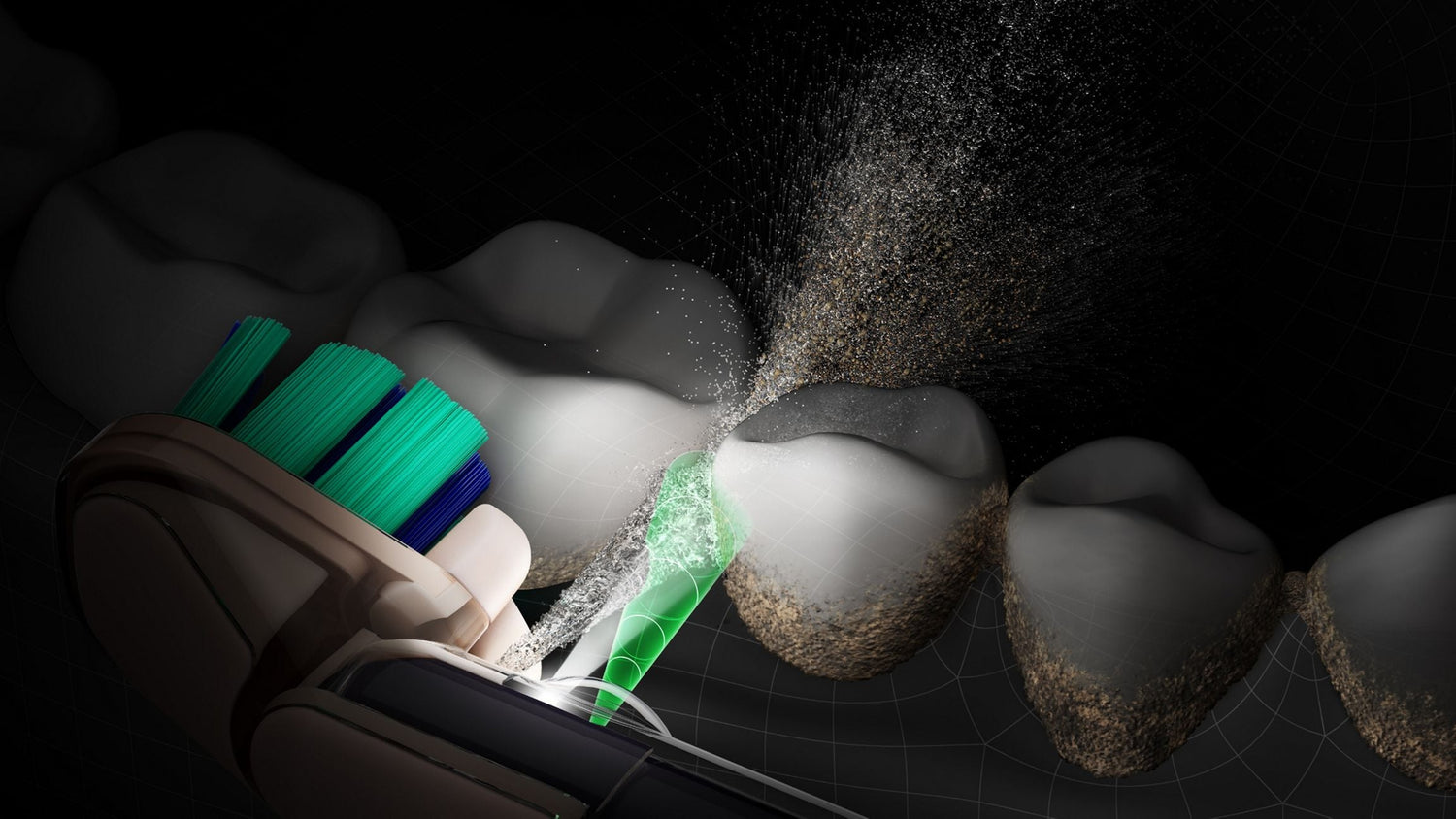
The camera looks for gaps between your teeth. When it finds one, the toothbrush can send a small burst of mouth rinse into that space. At the same time, its powered brush head cleans the surfaces of your teeth and along the gumline.
Dyson launched the CameraJet on September 1, 2026. It costs $499.99 in the US and £419.99 in the UK at launch. Prices, availability and box contents may vary by country.
Dyson has entered the electric toothbrush market
Dyson is best known for products such as vacuum cleaners, fans and hair dryers. The CameraJet marks its move into everyday oral care.
This is not simply an electric toothbrush with a screen or app. Its camera is connected to the cleaning system.
The camera helps the toothbrush find the spaces between your teeth. The jet then aims mouth rinse at those spaces.
That makes the CameraJet part electric toothbrush, part powered interdental cleaner and part smart camera device.
It also makes it very different from most regular electric toothbrushes.
What exactly is the Dyson CameraJet?

The Dyson CameraJet is a premium electric toothbrush that combines three main systems:
- Sonic brushing for the visible surfaces of your teeth
- Camera-assisted detection for finding gaps between teeth
- A targeted liquid jet for cleaning those gaps
Dyson calls the camera system Gap Optical Targeting™. The company calls the jet action “precision-flossing.”
That term needs a little context. The CameraJet does not pull a piece of floss between your teeth. It uses a short burst of liquid.
In simple terms, it tries to add between-teeth cleaning to the same routine as brushing.
How does the Dyson CameraJet work?
The full process happens in three steps.
1. The camera looks for gaps
The CameraJet has a 100,000-pixel macro camera near the brush head. Dyson says it analyses 28 images every second.
A small light helps the camera see inside your mouth. A machine-learning system then looks for spaces between your teeth.
Dyson says the system can detect, follow and predict the position of a gap while you move the brush.
This is the main job of the AI. It is not there to diagnose a cavity or gum disease. It is there to guide the jet.
2. The jet sends liquid into the gap

When the system finds a gap, it can release a short, cone-shaped burst of mouth rinse.
Each burst uses up to 0.15 ml of liquid. Dyson says the pump can deliver it in as little as one-tenth of a second.
The liquid comes from a 12.5 ml tank in the handle. Dyson designed the tank to work when the brush is upright, tilted or horizontal.
This matters when you are cleaning the backs of your teeth.
3. The brush head cleans tooth surfaces
While the jet targets the gaps, the powered brush head cleans the main tooth surfaces and gumline.
The head uses two types of bristles. The inner bristles are designed to work on surface stains. The softer outer bristles clean along the gumline.
Dyson says its sonic motor oscillates 245 times per second. The brushing action is designed to keep the bristles moving when they press against a tooth.
The basic flow looks like this:
Camera finds a gap → software confirms its position → jet releases liquid → brush continues cleaning
Dyson CameraJet features at a glance
| Feature | What it does |
|---|---|
| 100,000-pixel macro camera | Looks for gaps and supports live viewing |
| Gap Optical Targeting™ | Uses machine learning to guide the jet |
| Cone-shaped liquid jet | Sends mouth rinse toward a detected gap |
| Dual-bristle brush head | Cleans tooth surfaces and the gumline |
| Three cleaning modes | Lets you brush and jet together or use either action alone |
| Three brushing intensities | Offers Gentle, Variable and Deep clean settings |
| Pressure and technique sensors | Warn you through vibration when your pressure or movement is wrong |
| MyDyson™ app | Provides live viewing, guided cleaning and coverage information |
| RFID brush head | Tracks brush-head use and reminds you when it needs replacing |
| Refill and charging dock | Stores, charges and refills the toothbrush |
What can the camera actually do?

The camera has two main uses.
First, it helps the toothbrush decide where and when to use the jet. This is the part that makes the CameraJet unusual.
Second, it can show a live view inside your mouth through the MyDyson app. You can use this view while brushing or inspect your teeth separately.
The app can also show guided cleaning, coverage maps and past cleaning data. This may help you notice areas that you often miss.
However, the camera is not a replacement for a dental examination. A live picture cannot tell you everything about a tooth or your gums.
Do not use it to diagnose tooth decay, gum disease or another dental condition. See a dental professional if you have pain, swelling, bleeding or another concern.
What about privacy?
According to Dyson, the camera only turns on during live viewing or automatic jetting.
Dyson also says images are not recorded or stored on the toothbrush or in the cloud. Images shown in the app are deleted after viewing.
These are Dyson's stated privacy practices. They should not be confused with the results of an independent privacy audit.
What cleaning modes does it have?
The CameraJet offers three main cleaning modes.
Brush and Auto-jet
This is the main all-in-one mode. The brush head cleans your teeth while the camera looks for gaps and triggers the jet.
Brush only
This turns the CameraJet into a more conventional sonic electric toothbrush. The liquid jet is not used.
Auto-jet only
This uses the camera and liquid jet without the powered brushing action.
You can also choose Gentle, Variable or Deep clean brushing intensity.
The different settings give you some control over the feel of the brush. They also make it important to check the small print on performance claims, because results from one mode may not apply to another.
What is it like to use every day?
The basic routine is simple, but it has more steps than a regular electric toothbrush.
You fill the dock with mouth rinse. The dock can then refill the small tank in the handle. Dyson says this takes about three seconds.
You add toothpaste, choose a mode and start cleaning. Dyson advises holding the toothbrush horizontally while you use it.
The company recommends its own non-foaming toothpaste and low-foaming mouth rinse. Less foam helps the camera see the gaps.
You can use other products. Dyson recommends a gel-type, SLS-free, non-foaming toothpaste and a clear mouth rinse. If too much foam builds up, you may need to clear it from your mouth so the camera can keep working well.
There may be a short learning period. You need to move the brush slowly enough for the camera to see. You also need to get used to the small bursts of liquid.
Cleaning the device adds another step. Dyson says users should rinse the brush head and tank after each use. The jet should also be run until no liquid remains.
Key specifications
| Specification | Dyson CameraJet |
|---|---|
| Toothbrush weight | 230 g |
| Handle tank capacity | 12.5 ml |
| Dock reservoir capacity | 200 ml |
| Battery life | Up to 10 days under Dyson's stated test conditions |
| Charging | USB-C to pogo-pin cable |
| Water resistance | IPX7 |
| Brush-head tracking | RFID |
| Battery | Swappable lithium-ion battery |
| Launch colors | Ceramic Ultra Blue and Ceramic Pink |
Dyson also describes the battery as providing 14 complete cleans on parts of its UK site. The 10-day figure is based on Dyson's stated daily-use conditions. Real battery life will depend on your mode and routine.
How much does the Dyson CameraJet cost?
The CameraJet launched at $499.99 in the US and £419.99 in the UK.
That makes it one of the most expensive electric toothbrushes aimed at home users.
The price covers more than the handheld brush. The system includes a camera, jet pump, refill tank, app features and a refill-and-charge dock.
There are ongoing costs too. You will need replacement brush heads, toothpaste and mouth rinse.
In the UK, a two-pack of standard dual-bristle heads is listed at £25 before any subscription discount. Prices may change.
This article is not trying to decide whether $499 is good value. That depends on how much you want an all-in-one routine and whether you will use the camera and app.
What comes in the box?
The UK package listed at launch includes:
- The Dyson CameraJet toothbrush
- A refill and charging dock
- A swappable lithium-ion battery
- Two dual-bristle brush heads
- A 12.5 ml tank
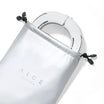
- A transparent travel case
- A USB-C to pogo-pin charging cable
- A Dyson toothpaste and mouth-rinse starter kit
Box contents can differ by country or package. Check the product page in your market before buying.
What does Dyson's evidence show?
Dyson has published several performance claims for the CameraJet. They do not all measure the same thing.
The US product page refers to a clinical study with 204 people over six weeks. Participants used Brush and Auto-jet mode twice a day. The comparison was with a manual toothbrush.
Other claims come from lab tests. Some compare the CameraJet with a manual toothbrush. Others compare its brush-only mode with leading premium electric toothbrushes in hard-to-reach areas.
This difference is important.
A result from a lab test is not the same as a long-term result from people using the product at home. A result against a manual toothbrush is also not the same as a result against another premium electric toothbrush.
The available Dyson pages do not provide a full public report for every claim. This makes it hard for everyday buyers to review details such as the full method, participant selection and all measured results.
The CameraJet is also new. We do not yet have much independent, long-term information about:
- How well the camera works for different tooth shapes and gaps
- How it compares directly with string floss or an interdental brush
- How it compares with a separate water flosser
- Long-term reliability and maintenance
- The real cost of refills and replacement parts over several years
This does not mean the technology does not work. It means the evidence needs to be read with the correct limits.
Can the Dyson CameraJet replace flossing?
The CameraJet is designed to add between-teeth cleaning to brushing. That does not mean it can replace string floss for every person.
The American Dental Association says cleaning between your teeth adds benefits when used with brushing. It lists several possible tools, including floss, interdental brushes and powered oral irrigators.
The right tool depends on your mouth.
Floss may suit tight spaces. Interdental brushes may be more useful for larger gaps. People with braces, implants, gum disease or dental work may need specific advice.
The safest answer is simple: treat the CameraJet as a powered interdental-cleaning option, not a universal promise that nobody needs floss again.
Ask your dentist or hygienist what works best for your teeth.
Who may like the Dyson CameraJet?
The CameraJet may suit you if:
- You often forget to clean between your teeth
- You want brushing and liquid-jet cleaning in one routine
- You like live feedback and app-based guidance
- You want to see areas inside your mouth more clearly
- You are comfortable paying for premium technology
It may be less suitable if:
- You only want a simple electric toothbrush
- You do not want to use an app
- You already like your toothbrush-and-flosser routine
- You have little space for a large refill dock
- You do not want special cleaning and refill steps
- You want a lower-cost oral-care setup
For many people, the main question is not whether the technology is impressive. It is whether the extra features will become part of their daily routine.
CameraJet and the rise of jet toothbrushes
The CameraJet shows how the electric toothbrush category is changing.
For years, most products focused on the way the brush head moved. Newer products are adding more ways to clean, including air, liquid and mixed-flow jets.
These products can be grouped under the wider idea of a jet toothbrush. However, they do not all work in the same way.
CameraJet uses a camera-guided liquid jet. Other products take a different approach. For example, RANVOO's AirJet™ technology uses air-jet-assisted cleaning alongside electric brushing.
The useful question is not only “Does it have a jet?” You should also ask what the jet uses, where it aims and how it fits into daily brushing.
Benefits and things to consider
| Potential benefits | Things to consider |
|---|---|
| Brushing and between-teeth cleaning in one routine | High launch price |
| Automatic gap targeting | New brushing technique to learn |
| Live view inside your mouth | More parts to refill and clean |
| Pressure and coverage feedback | App and connection add complexity |
| Swappable battery | Ongoing brush-head and liquid costs |
| One dock for storage, charging and refilling | Limited independent long-term evidence so far |
Frequently asked questions
When was the Dyson CameraJet released?
Dyson launched the CameraJet on September 1, 2026. Availability may differ by country. The US page listed it for pre-order at launch, while the UK product page showed direct sales information.
How much is the Dyson CameraJet?
The launch price is $499.99 in the US and £419.99 in the UK. Local prices, taxes, packages and promotions may differ.
Does the CameraJet record or store images?
Dyson says no. According to the company, the camera is only active during live viewing or automatic jetting. Images are not stored on the product or in the cloud and are deleted from the app after viewing.
Can I use regular toothpaste and mouthwash?
Yes, but foam may block the camera's view. Dyson recommends its non-foaming toothpaste and low-foaming mouth rinse. For other brands, it suggests a gel-type, SLS-free, non-foaming toothpaste and a clear mouth rinse.
Do I need the MyDyson app?
You can use the main cleaning controls on the toothbrush. The app is needed for features such as live camera viewing, guided cleaning, coverage maps and cleaning history. App features may vary by country.
Can the CameraJet replace a water flosser?
Both use liquid, but they do not work in exactly the same way. CameraJet sends small, targeted bursts from a tank in the handle. A regular water flosser usually provides a continuous stream from a larger reservoir. Which one suits you depends on your teeth and routine.
Is the Dyson CameraJet waterproof?
Yes. It has an IPX7 rating. Dyson says it can be used in the shower. The separate care instructions should still be followed after each clean.
Can you use the CameraJet with braces?
Dyson says people with braces can use Brush-only mode and then jet manually. If you have braces or other dental work, follow the cleaning advice from your orthodontist or dentist.
The bottom line
The Dyson CameraJet is more than a camera added to an electric toothbrush.
Its main idea is to use the camera to find gaps and guide a liquid jet. It combines that action with sonic brushing, an app and a refill dock.
For some users, this could make between-teeth cleaning easier to remember. For others, the price and extra care may be more than they need.
The CameraJet also points to a wider change in oral care. Electric toothbrushes are starting to combine brushing with other cleaning methods.
Before choosing one, look beyond the word “jet.” Check how the system works, what evidence supports it and whether you will use it every day.
 Best Overall
 Best Value
 Best for Sensitive Teeth