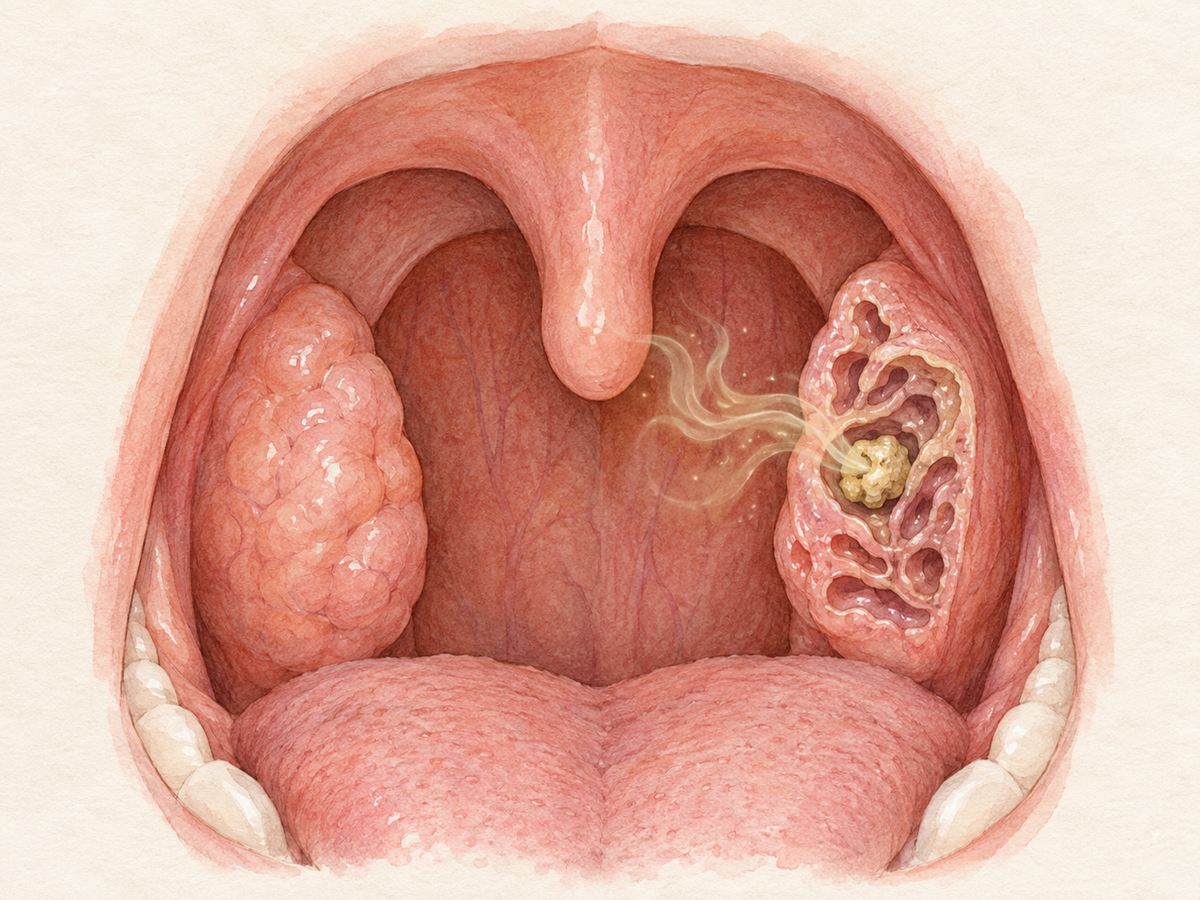










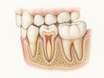




Using a plaque scraper at home can feel satisfying, but it is not a safe way to clean your teeth. The hard buildup you want to remove is often tartar, and scraping it yourself can permanently scratch enamel, cut your gums, push bacteria deeper, and wear down exposed roots. If you see or feel hardened buildup, the safest step is to put the scraper away and book a professional cleaning.
If the buildup is hard, dark, or under the gumline, it is not a home-care job. Stop scraping and let a dentist or hygienist remove it.
Why DIY Scraping Goes Wrong
Dental plaque is the soft, sticky bacterial film that forms on teeth every day. It brushes away with good home care.
Dental calculus is what happens when plaque hardens. Most people call it tartar. Tartar clings to teeth and cannot be removed by brushing or flossing alone.
A do-it-yourself tartar scraper can remove some visible surface buildup, which makes the habit feel effective. The problem is that the tool cannot tell the difference between soft plaque, hardened tartar, tooth enamel, and the softer root surface.
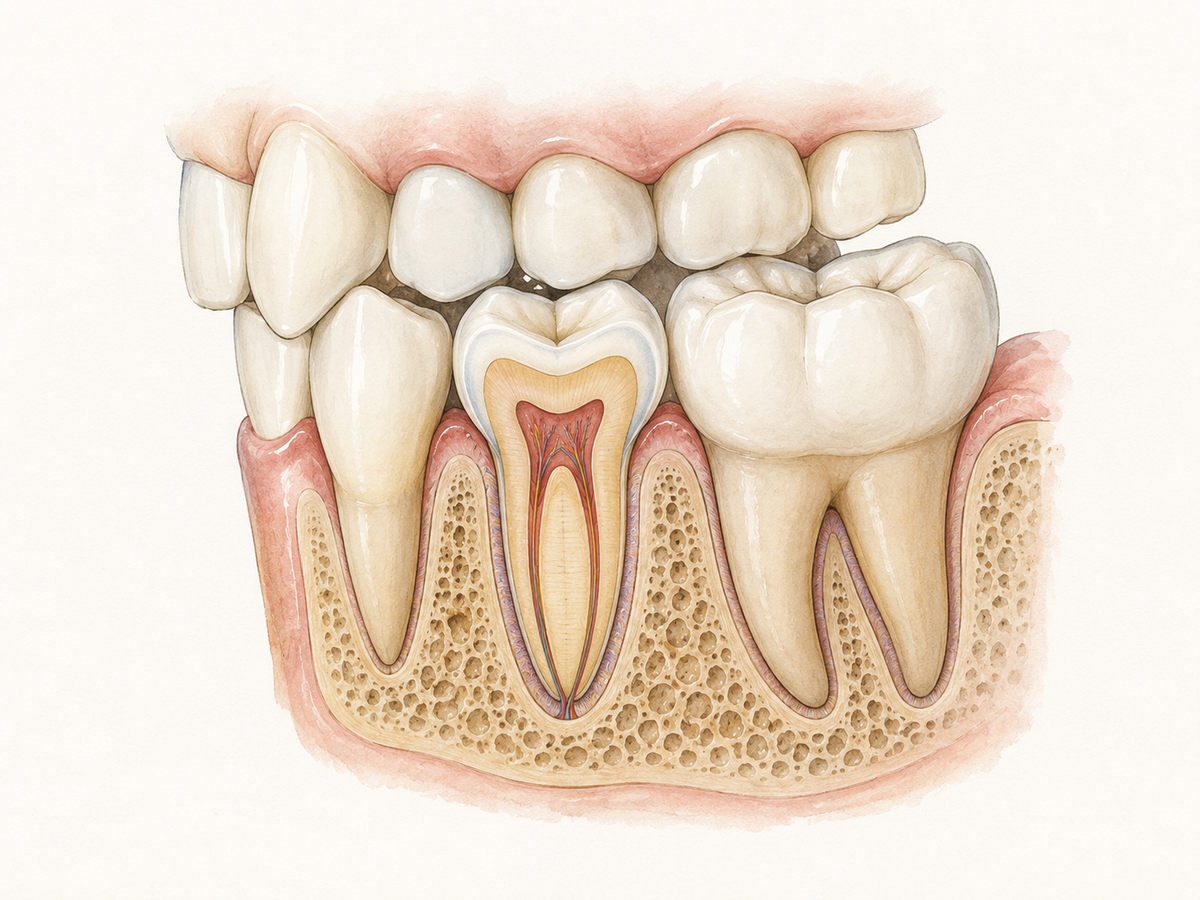
Enamel is the hard outer layer of the tooth. Under the gumline, which is where the teeth meet the gums, there is little room for error.
Without professional clinical training, you cannot fully see the gumline in a mirror, control the exact tool angle, or judge how much pressure is safe. A dental hygiene tool is designed for professional use in a controlled setting. One dental journal warned that a DIY scaler with a sharp tip has “serious potential to cause damage to the periodontal tissues and dentition” if used incorrectly, according to a case report in the British Dental Journal.
So the real danger is not just doing it wrong. It is using a precision tool in a setting where you cannot see what is happening.
Enamel and Root Damage
A metal scraper, repeated scraping strokes, and too much pressure can scratch the hard outer enamel. They can also wear down an exposed tooth root, which is softer than enamel because it is not covered by the same protective layer.
These scratches may create small enamel grooves. Instead of making the tooth cleaner, grooves can trap more plaque.
Enamel does not grow back once it is removed. That permanent damage can lead to:
- new or worse tooth sensitivity
- staining that settles into the roughened surface
- a higher future cavity risk
- a “clean” feeling that comes at the cost of long-term tooth structure
Even if you cannot see the damage right away, the surface change is still there.
Gum Recession and Infection
Pushing a scraper under the gumline can cut the soft gum tissue and push oral bacteria deeper beneath the gum edge. That can trigger or worsen gum inflammation and gum recession, which means the gums pull away from the teeth.
Many people think that if the gums bleed, the tool is working. That is usually not true. Bleeding gums often signal injury or inflammation, not a good clean.
Once the gums recede, the root surface becomes exposed. That root area is softer and more vulnerable to decay and sensitivity. The damage may not be easy to reverse.
Hidden Risks and High-Risk Users
Some damage does not hurt immediately. It may show up later as:
- sharp sensitivity to hot, cold, or sweet foods
- chipped tooth edges
- cuts to the lips or tongue from a slip
- infection from non-sterile tools
Using a scraper you bought online is not the same as using sterilized dental instruments. A tool that lives in a bathroom drawer can carry germs into a small cut or gum pocket.
Some people are at even higher risk. Extra caution matters if you have:
- receding gums
- exposed roots
- braces
- implants
- crowns
- veneers
- a bleeding disorder
- a weakened immune system
For these situations, professional removal is not just better. It is the safer choice. Scraping around dental work or implants can scratch or loosen parts that are expensive to repair.
What a Dentist Does Differently
Professional dental scaling is different from DIY scraping. A dental hygienist uses sterilized dental instruments and applies pressure based on training and tactile feedback, meaning they feel the tooth surface through the tool.
Professionals remove supragingival deposits, which are above the gumline, and subgingival deposits, which sit below it. They can tell the difference between tartar, enamel, and root surface while they work.
A professional cleaning visit usually also includes:
- polishing to smooth the tooth surface
- a gum health assessment
- X-rays when needed
- advice based on your mouth
There is another advantage that a home scraper cannot provide: early detection. A dentist or hygienist may notice a small cavity, a crack, or an area of gum disease before it becomes painful or expensive. A home scraper can miss those problems or make them worse.
Professional scaling also reduces hardened calculus levels. A Cochrane review on routine scale and polish found that routine scaling and polishing reduces calculus compared with no routine scaling, although the clinical importance of small reductions can vary.
Safer Ways to Manage Plaque at Home
You can control soft plaque safely with a simple daily routine:
- Brush twice a day with a soft-bristled toothbrush.
- Use fluoride toothpaste.
- Clean between teeth with dental floss or interdental brushes.
- Clean the tongue if you want fresher breath.
Brushing and cleaning between teeth help remove soft plaque before it hardens. One review of home interdental cleaning found that interdental brushes reduced plaque when added to toothbrushing alone.
These habits cannot remove hardened tartar. Once tartar forms, it needs a professional dental cleaning.
If visible buildup is making you want to scrape, book a cleaning instead. Do not try to chip it away at home.
If You’ve Already Scraped
First, stop using the scraper. Do not try again to “fix” the area.
Then watch for:
- persistent bleeding that does not settle
- gums pulling away from the teeth
- new tooth sensitivity
- teeth that feel loose
- visible chips or rough edges
If any of these appear, book a dental exam. Tell the office what happened.
A one-time gentle scrape may not cause lasting harm. But if an area feels different or looks different, let a dentist check it. Catching a small problem early is easier than treating a larger one later.
When to See a Dentist
Call a dental office promptly if you notice:
- bleeding that will not stop
- receding gums
- new tooth sensitivity
- loose teeth
- visible damage to a tooth or the gums
- signs of infection, such as swelling, pus, or a bad taste
Do not try to fix these problems with more scraping or harsh home remedies.
The clear next step is to call a dental office, explain what happened, and ask for an exam. A professional cleaning and a checkup can remove hardened buildup safely and identify any damage that needs attention.
This article has been reviewed by an oral health professional for accuracy. It is intended to provide general educational information and should not be used as a substitute for personalized medical advice, diagnosis, or treatment. If you have questions or concerns about your oral health, please consult a dentist, physician, or other qualified healthcare provider.