






A tooth that hurts when you bite, chew, or press on it is usually a sign that pressure is reaching deeper parts of the tooth—the nerve inside, a crack, or the ligament around the root—not just the outer enamel. The cause can be as reversible as bite strain or early gum irritation, or as serious as an infection or cracked root. Because the same symptom can come from very different problems, the safest next step is a dental exam and bite/pressure testing if the pain lasts, worsens, or keeps returning.
Do not keep “testing” the tooth by biting hard on it. That can widen a crack or irritate the ligament further.
Why Pressure Hurts
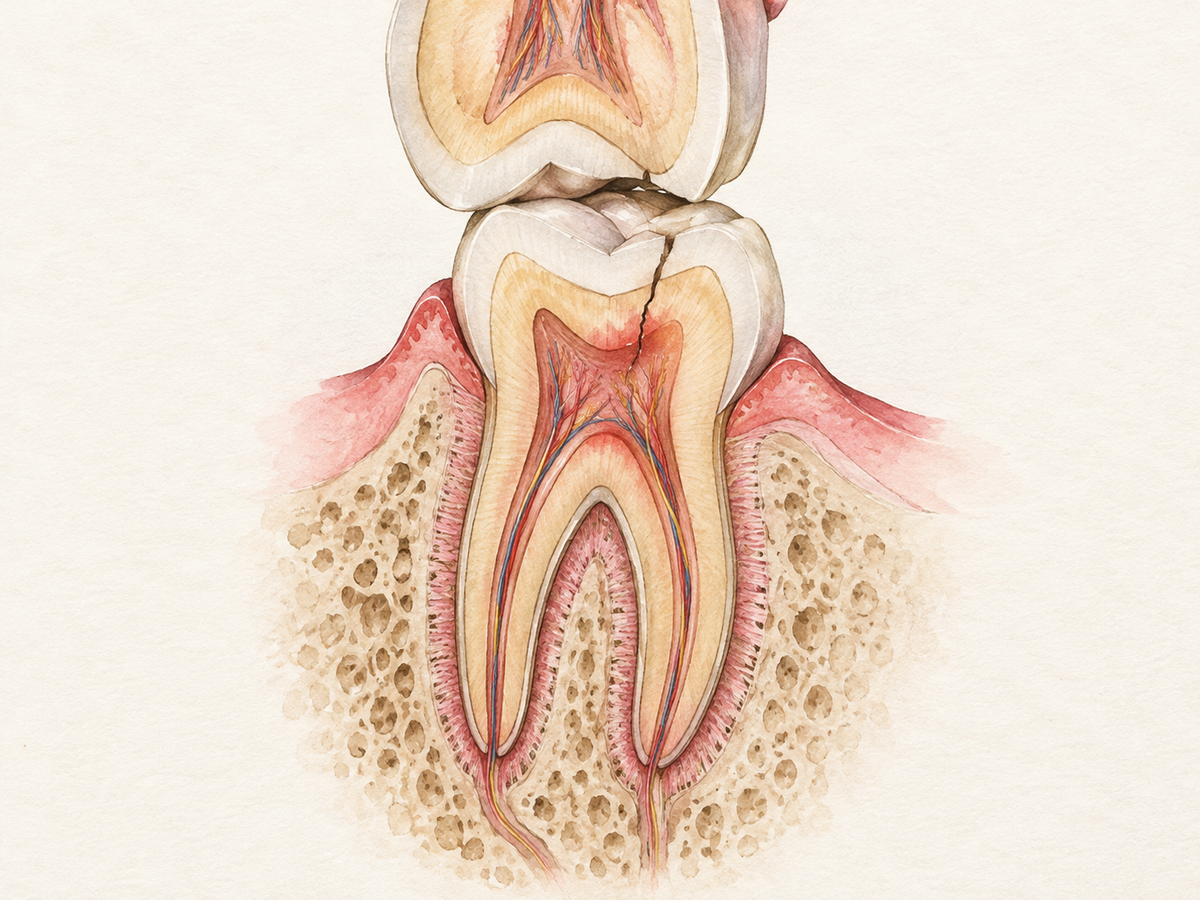
When you bite, force travels through the tooth into the surrounding bone. The hard outer layer, enamel, is built to handle ordinary chewing. But just inside the enamel is the pulp, the soft tissue and nerve inside the tooth. Around the root is the periodontal ligament, a thin band that holds the tooth in its socket and acts like a shock absorber.
If the pulp is inflamed, biting can push against that sensitive tissue. If the ligament is bruised or irritated, pressure can feel like pressing on a sprained joint. The pain is a signal that deeper structures are unhappy, not a sign that you did something wrong.
A cracked tooth can hurt even when the crack is too small to see. Biting wedges the crack open, and when you release the bite, movement of fluid inside the tooth can cause a sharp zing (oral surgery review). That is why the pain may come and go or only appear with certain foods.
Match the Pain Pattern
A pain pattern is a clue for your dentist, not a home diagnosis. Still, describing the pattern clearly can help you get to an answer faster.
| What you feel | Possible cause |
|---|---|
| Sharp pain when biting down, then it goes away | Cracked tooth or cracked cusp |
| Dull soreness after chewing | Bite strain, gum irritation, or ligament inflammation |
| Pain as you release the bite | Cracked tooth syndrome |
Cracked tooth syndrome simply means a crack is causing pain, often when pressure is applied or released.
No single symptom can reliably tell you whether the nerve is reversibly irritated or permanently damaged. Dentists combine your description, a careful exam, and tests because the evidence for any one pain clue is limited (diagnostic review).
What It Means for Mouth Health
Pressure sensitivity can sit on a spectrum.
On one end, it may be occlusal trauma, meaning the tooth is being hit too hard or too often by your bite. That can come from a new filling that is slightly high, clenching, or a bite that is out of balance. Early gum inflammation can also make the ligament tender. These problems can often improve with the right dental treatment.
On the other end, it may be pulpitis, which is an inflamed tooth nerve; a dental abscess, which is a pus-filled infection at the root; a cracked root; or loss of the bone that supports the tooth. These need more involved care.
The “it’s just one tooth” worry usually misses the bigger picture. Teeth share the workload of chewing. When one tooth hurts, you may shift your bite. That can overload the neighboring teeth, gums, and jawbone. A single sore tooth can be an early sign of a bite-wide issue worth checking.
Safe Relief While You Wait
These steps are for temporary comfort. They do not cure the cause.
- Chew on the opposite side of your mouth.
- Choose soft foods that do not require hard biting.
- Rinse gently with warm salt water if it feels soothing.
- If you need pain relief, an over-the-counter NSAID such as ibuprofen or naproxen, alone or with acetaminophen, may help when it is safe for you. Ask a pharmacist or clinician if you have stomach, kidney, liver, or bleeding concerns (clinical guidance on dental pain).
- Do not put aspirin directly on the gum. It can burn the tissue.
- Do not test the tooth with hard bites or hard foods.
- Do not ignore swelling that is getting worse, fever, or a bad taste.
Dental Treatments by Cause
Treatment depends on what the dentist finds.
| Likely cause | Common dental option | What it does |
|---|---|---|
| Bite trauma or grinding | Bite adjustment or night guard | Evens out how teeth meet or cushions grinding force |
| Gum disease | Deep cleaning | Removes plaque and tartar below the gumline so gums can heal |
| Decay or small crack | Filling or crown | Restores shape or holds the tooth together |
| Inflamed or infected pulp | Root canal | Removes diseased tissue inside the tooth, cleans, and seals it |
| Severe infection or non-restorable tooth | Extraction; antibiotics only in specific cases | Removes the source of infection |
Root canal treatment removes inflamed or infected pulp, cleans and shapes the canals inside the tooth, and seals them to reduce reinfection (root canal treatment guidelines). It is usually done with local anesthetic, and some soreness for a few days afterward is common.
Antibiotics are not a substitute for treating the tooth. They are generally reserved for when infection has spread or when you have systemic signs such as fever (antibiotic guideline).
Good questions to ask your dentist:
- Which structure seems most likely to be causing the pressure pain: the bite, gum, nerve, or crack?
- What test can help confirm the cause?
- If I need a crown or root canal, what is the purpose and typical recovery?
- Do I need a night guard if clenching or grinding is part of the problem?
Red Flags: Get Care Now
Some signs may mean infection is spreading beyond the tooth. Same-day care matters.
Get immediate help if you have:
- Facial swelling or swelling under the jaw
- Fever
- Pus draining or a bad taste
- Trouble swallowing or breathing
- Severe throbbing pain that will not settle
- A recent injury to the tooth or mouth
These can signal a spreading infection or, rarely, a threat to the airway (guidance on dental infection and sepsis). Infection management focuses on removing the source, not just taking antibiotics (antibiotic review).
Next Steps and Prevention
To reduce the chance of another pressure-sensitive tooth:
- Keep regular dental exams and ask for bite checks.
- If you grind or clench, ask whether a night guard could protect your teeth and ligaments.
- Avoid chewing ice, hard candy, or opening packages with your teeth.
- Treat gum disease early to protect the tissue that holds teeth in place.
- If one tooth feels high or sore after dental work, go back for a bite adjustment.
If pressure sensitivity lasts more than a few days, gets worse, or keeps coming back, call a dentist. Ask for an exam and pressure/bite testing. That controlled test helps reproduce the pain and trace the cause so you can treat the real problem instead of guessing at it.
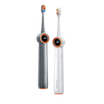
 Best Overall
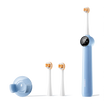
 Best Value
 Best for Sensitive Teeth
This article has been reviewed by an oral health professional for accuracy. It is intended to provide general educational information and should not be used as a substitute for personalized medical advice, diagnosis, or treatment. If you have questions or concerns about your oral health, please consult a dentist, physician, or other qualified healthcare provider.