Most side effects from the numbing shot people call “Novocaine” are mild and temporary. You may have numbness, tingling, soreness, bruising, or a brief racing heartbeat. Rarely, a serious allergic reaction or too much numbing medicine in the bloodstream can happen. Get emergency help right away if you have trouble breathing, swelling of your face or throat, chest pain, or a seizure.
The main thing to know: Common side effects usually fade within hours to a few days. But trouble breathing, facial or throat swelling, chest pain, an uneven heartbeat, or a seizure means call 911.
What “Novocaine” Means Today
Novocaine is an old brand name for a numbing drug called procaine. True procaine is rarely used in dentistry now.
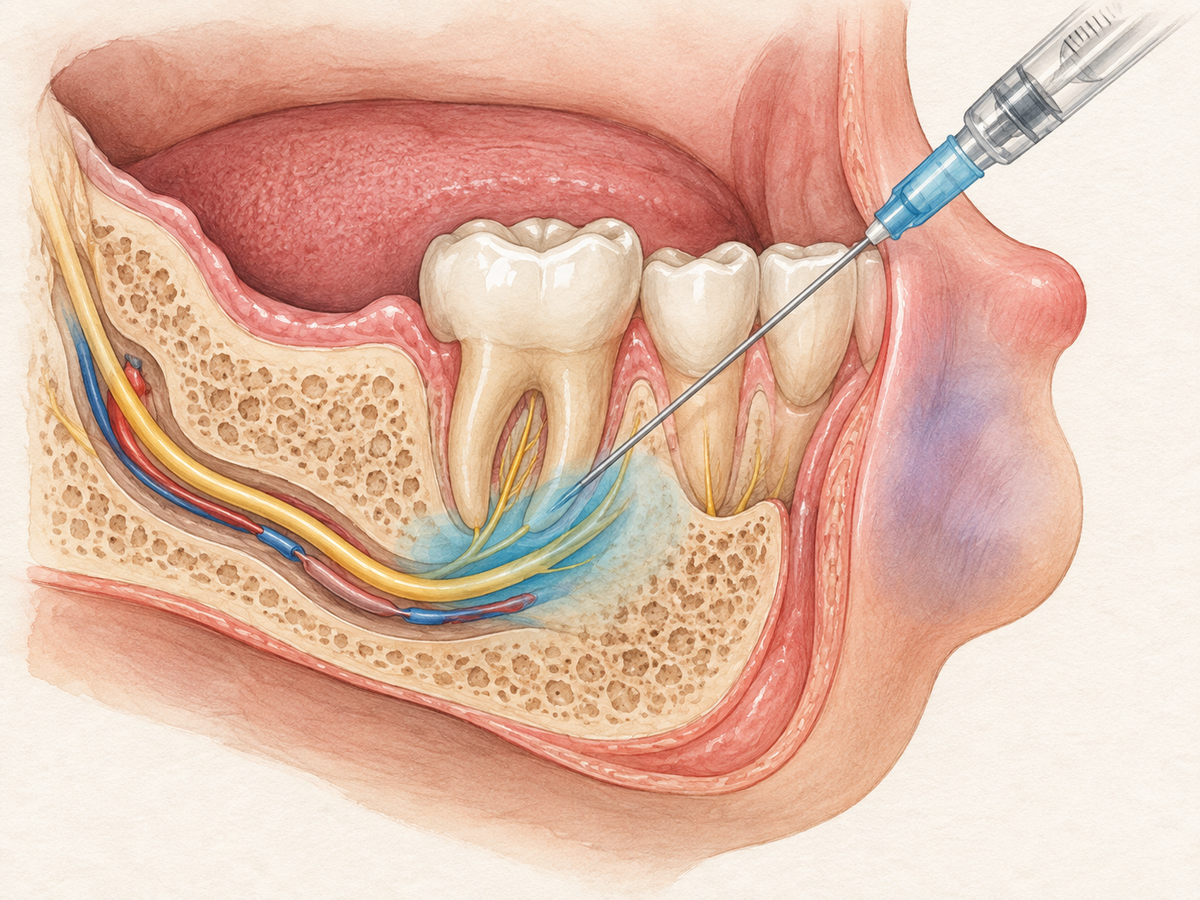
Today, dentists usually use a different local anesthetic, which is simply a medicine that blocks feeling in one area. The most common one is lidocaine, often mixed with a small amount of epinephrine. Articaine is another common choice. The standard solution in modern dentistry is 2% lidocaine with epinephrine, not true Novocaine, according to an overview of dental anesthetic solutions.
People still say “Novocaine” to mean any numbing shot. That is fine for everyday conversation, but the exact drug matters. Side effects and allergy risks can differ by drug. If you have had an unusual reaction in the past, ask your dentist exactly which anesthetic you received and keep a note for next time.
Common Side Effects to Expect
Most dental injection side effects are local and short-lived. They can include:
- Numbness and tingling in the lip, tongue, or cheek.
- Soreness at the injection site.
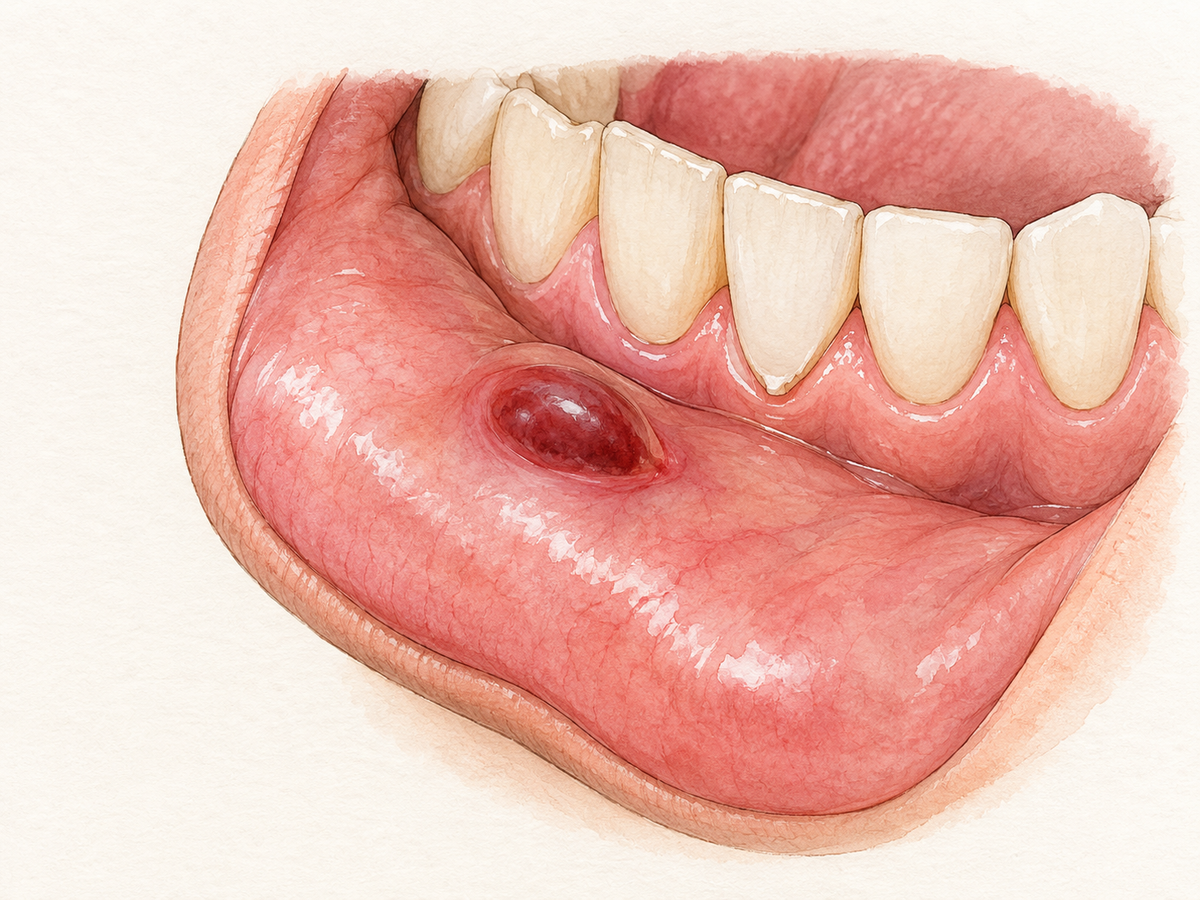
- Bruising or mild swelling near the shot.
- Jaw soreness, especially after a longer appointment.
- Headache, dizziness, or mild nausea.
- Feeling shaky or having a racing heartbeat.
Some of those symptoms are not caused by the numbing medicine itself. Many dental anesthetics include epinephrine, a substance that keeps the medicine in place longer by tightening nearby blood vessels. Epinephrine can briefly make your heart beat faster or make you feel jittery. Anxiety can cause the same feelings. A review of dental local anesthetic complications notes that anxiety-related reactions are the most common side effects of an injection.
Most of these effects fade within a few hours to a few days.
How Long Do Side Effects Last?
Timelines vary from person to person. Here is a general guide:
Numb lip, tongue, or cheek | Often 1–3 hours |
Soreness or bruising at the injection site | A few days |
Jitteriness or fast heartbeat | Minutes to a few hours |
Call your dentist if numbness lasts beyond about 24 hours. Also call if pain, swelling, or other symptoms get worse instead of better.
Long-lasting numbness is rare. A systematic review of lower jaw nerve blocks found that nerve-related side effects are uncommon. Most cases improve, but some people may need a specialist if numbness does not improve within a couple of weeks.
Serious Side Effects and Emergency Red Flags
Serious reactions are rare, but they need fast action. Call 911 or go to an emergency room if you have:
- Hives or an itchy rash that spreads.
- Swelling of the lips, tongue, or throat.
- Trouble breathing or swallowing.
- Passing out.
- A seizure or sudden confusion.
- Chest pain or an irregular heartbeat.
- Blue-looking lips or skin.
These signs can point to a few rare problems.
A severe allergic reaction, called anaphylaxis, can cause hives, swelling, and trouble breathing. Allergies to this class of dental anesthetics are uncommon, but they can happen.
Local anesthetic systemic toxicity means too much numbing medicine has reached the bloodstream. It can affect the brain or heart. A review of local anesthetic systemic toxicity notes that seizures are one of the most common serious signs, but it can also show up as chest pain or an uneven heartbeat.
Methemoglobinemia is a rare condition in which the blood cannot carry oxygen normally. It can make the lips or skin look blue. It has been linked to some anesthetic products, including prilocaine, articaine, and the topical medicine benzocaine.
These are emergencies, not watch-and-wait situations.
When to Call Your Dentist vs. 911
Use this simple guide to decide who to call.
Numbness lasting more than 24 hours | Trouble breathing or swallowing |
Fever | Swelling of the face, lips, tongue, or throat |
Increasing swelling | Collapse or passing out |
A mild rash with no breathing problems | Seizure |
Questions about aftercare | Chest pain or an irregular heartbeat |
If a mild rash appears with any emergency sign, call 911.
When in doubt, call 911 for sudden, severe, or worsening symptoms. It is better to get emergency help quickly than to wait.
Bottom Line
Common “Novocaine” side effects are usually mild and temporary. Numbness, soreness, bruising, and a brief fast heartbeat typically improve on their own.
Red-flag symptoms are different. Trouble breathing, swelling in the face or throat, chest pain, an irregular heartbeat, or a seizure always require emergency care.
Ask your dentist which anesthetic you received. Follow the aftercare instructions you were given. And if anything feels worse or lasts longer than expected, call the dental office. You do not need to guess.
This article has been reviewed by an oral health professional for accuracy. It is intended to provide general educational information and should not be used as a substitute for personalized medical advice, diagnosis, or treatment. If you have questions or concerns about your oral health, please consult a dentist, physician, or other qualified healthcare provider.