
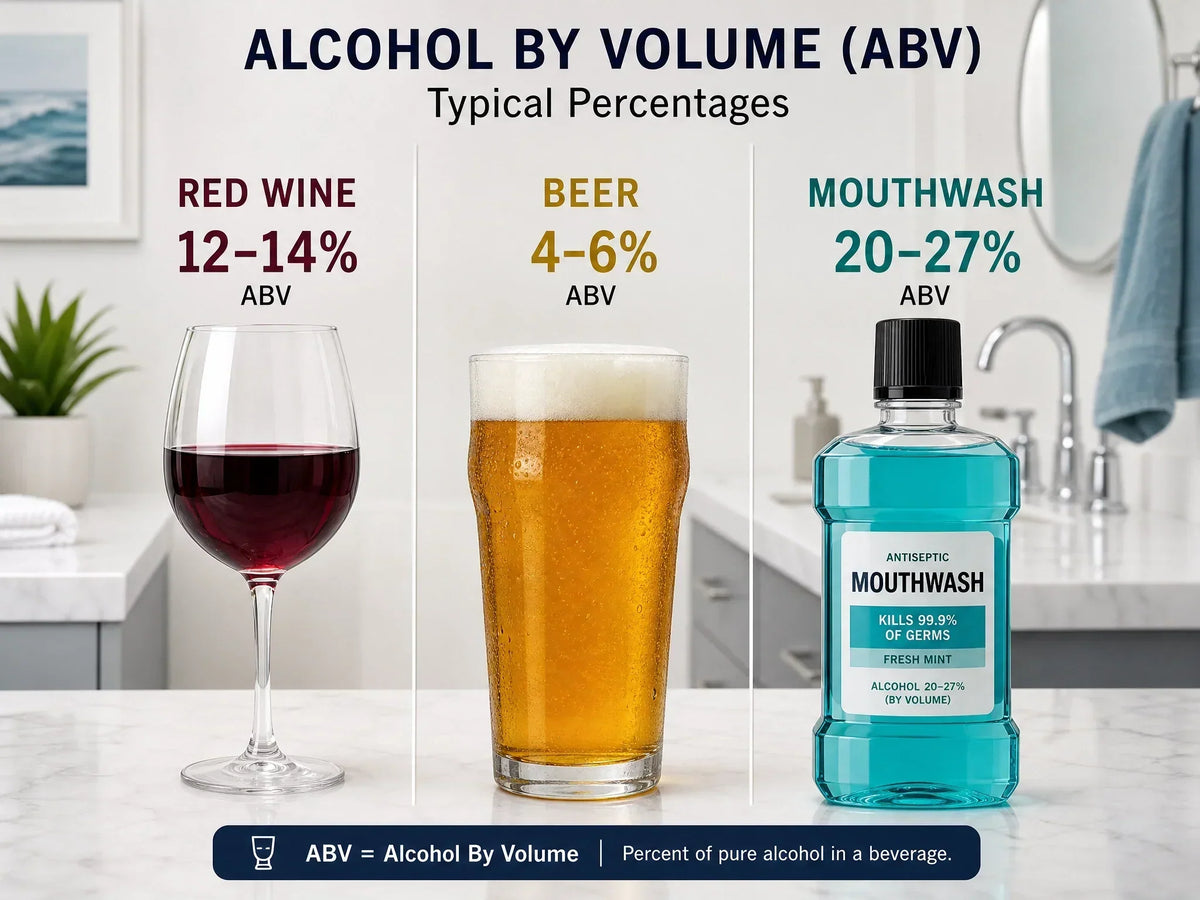
Yes, mouthwash can get you drunk due to high alcohol content, but it's extremely dangerous, causing rapid poisoning and organ damage from toxic chemicals like methyl salicylate.

Is It Safe to Use Salt Water Mouthwash Every Day?
Can I use salt water as mouthwash every day? Yes, daily use is safe for most people when used correctly. It reduces bacteria and soothes gums, but it cannot replace fluoride toothpaste or prevent c...

Alcohol-Free vs Alcohol-Based Mouthwash: Efficacy and Safety Comparison
Alcohol-free mouthwash is better for most people, offering equal plaque control with less irritation, dryness, and sensitivity.
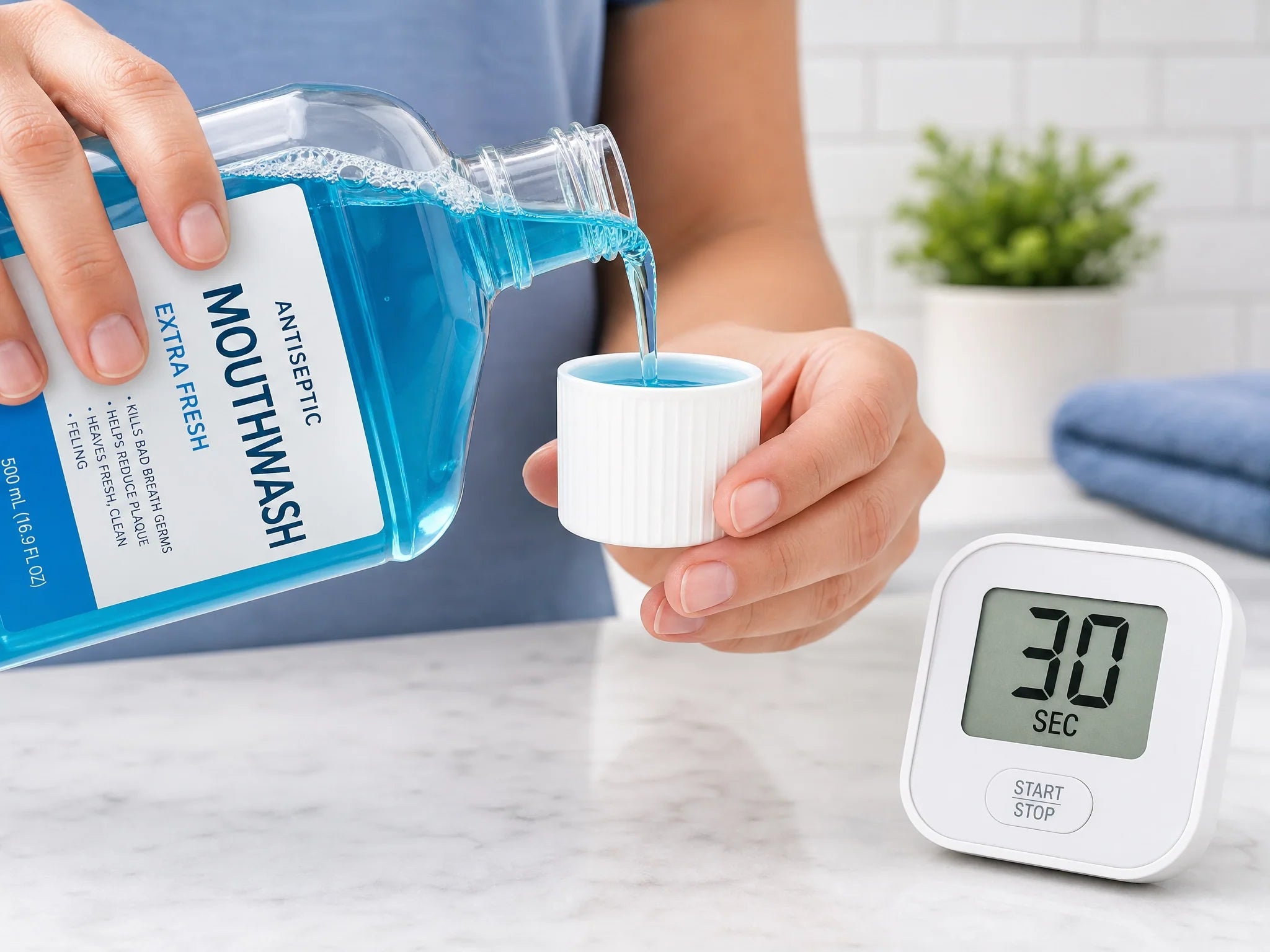
How Often Should You Use Mouthwash? Frequency, Timing, and Best Practices
Use mouthwash once or twice daily for therapeutic benefits, but never right after brushing. Cosmetic rinses can be used as needed. Overuse may cause side effects.

Swallowing Mouthwash: Risks, Symptoms, and Emergency Actions
If you swallow mouthwash, a small amount may cause nausea or stomach upset, but large amounts—especially in children—can lead to alcohol poisoning or fluoride toxicity, requiring immediate medical ...
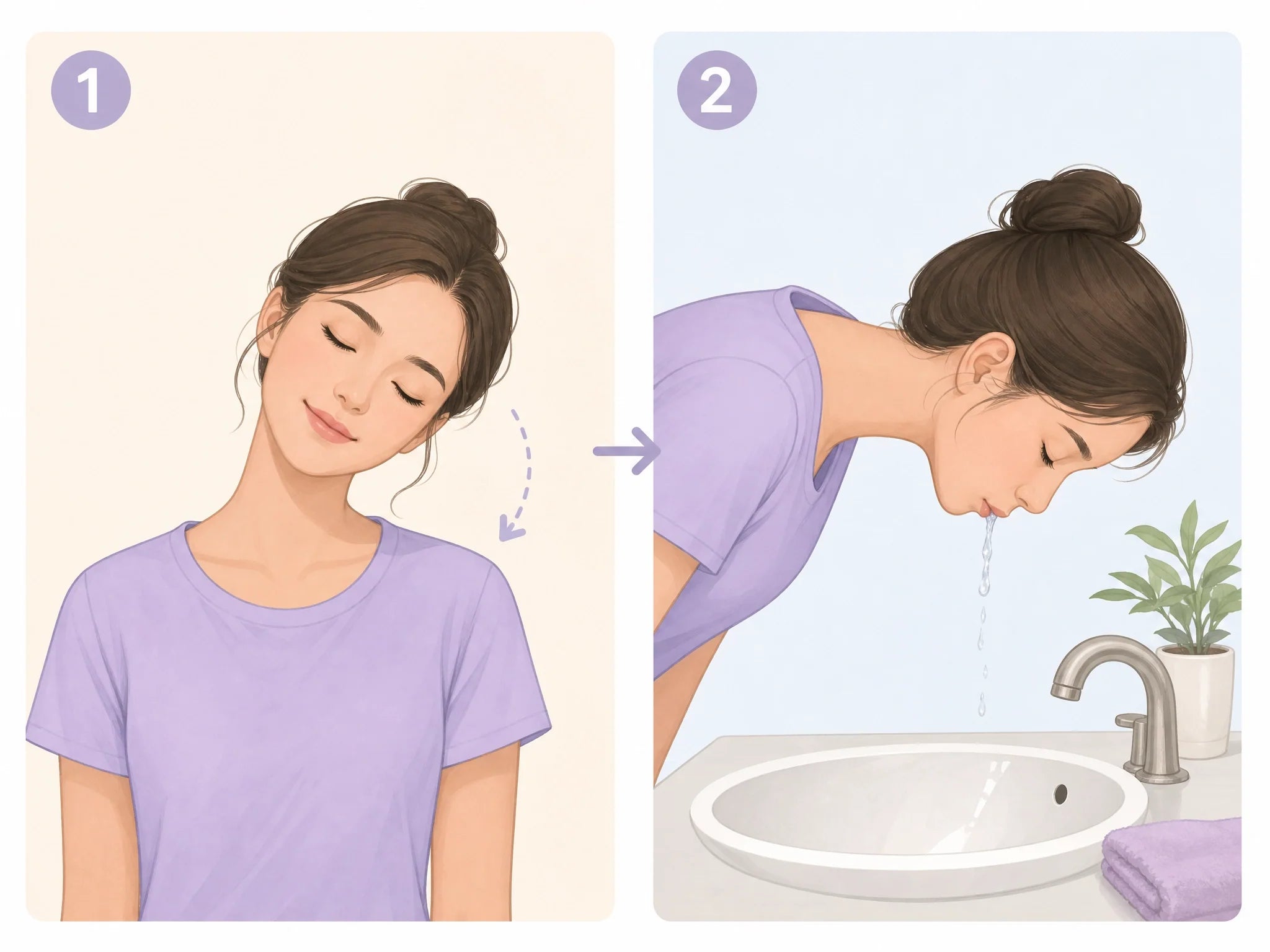
Mouthwash After Tooth Extraction: Safety Timeline and Guidelines
Learn when it's safe to use mouthwash after tooth extraction. Avoid dry socket with our timeline: no rinsing for 24 hours, then gentle salt water.

Why Mouthwash Burns: Science Behind the Sting and Soothing Solutions
Mouthwash burns due to alcohol, menthol, or other harsh ingredients that irritate sensitive mouth tissues. This chemical reaction triggers nerve pain, not a sign of effective cleaning. Switch to al...


