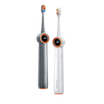


دليل عملي لتصاميم المروحة فقط وقناة الهواء والتبريد النشط—والمقايضات المهمة في الاستخدام الفعلي.
الإجابة المختصرة: مروحة الرقبة هي جهاز يمكن ارتداؤه يعمل بالبطارية ويوجه تدفق الهواء حول الرقبة والوجه. بعض الطرز تحرك الهواء المحيط فقط؛ بينما يضيف البعض الآخر ألواح تبريد كهروحرارية تخلق نقطة ملامسة باردة على الجلد. لا يُتوقع من أي من النوعين تبريد غرفة كاملة، والراحة الشخصية ليست هي نفسها الحماية من الحرارة الخطرة.
عندما تكون مروحة الغرفة بعيدة جدًا ومروحة يدوية تشغل إحدى اليدين، توفر مروحة الرقبة بديلاً بسيطًا: تدفق هواء مستهدف يتحرك معك. توسع هذا النوع بسرعة، وكذلك المصطلحات. قد ترى نفس الفئة موصوفة بأنها مروحة قلادة قابلة لإعادة الشحن، أو مروحة قلادة محمولة، أو مروحة قلادة شخصية، أو مروحة رأس، أو مبرد رقبة محمول. السؤال المفيد ليس ما يسمى المنتج، بل كيف يخلق المنتج فعليًا إحساسًا بالتبريد.
يشرح هذا الدليل تصاميم مروحة الرقبة الرئيسية، وما يمكنها وما لا يمكنها فعله، وكيفية مقارنة الراحة وتدفق الهواء وعمر البطارية والضوضاء والسلامة قبل الشراء.
ما هي مروحة الرقبة؟
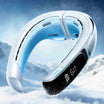
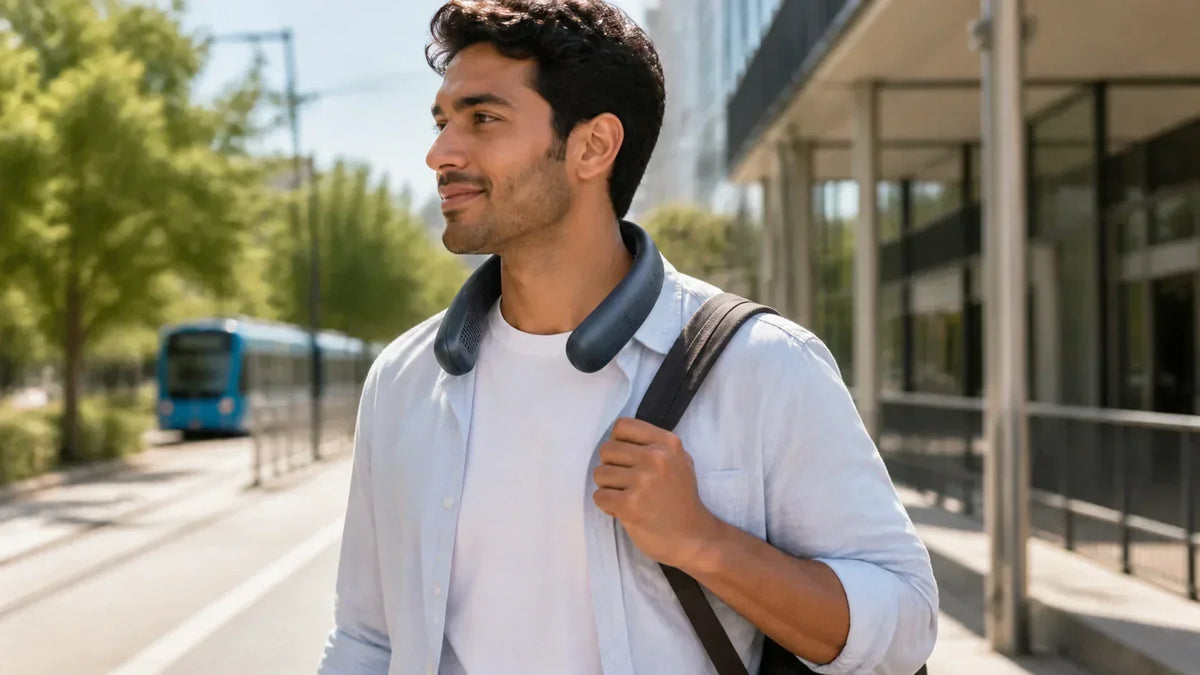
مروحة الرقبة هي جهاز تبريد شخصي يمكن ارتداؤه يوضع حول الرقبة ويوجه الهواء نحو الرقبة أو خط الفك أو الوجه. تستخدم معظمها دافعة كهربائية صغيرة واحدة أو أكثر تعمل ببطارية قابلة لإعادة الشحن. يدخل الهواء من خلال فتحات السحب ويخرج من خلال رؤوس المروحة المكشوفة أو صف من فتحات التهوية على طول أذرع الجهاز.
مروحة الرقبة ليست مكيف هواء غرفة مصغرًا. الطراز الذي يعمل بالمروحة فقط لا يزيل الحرارة والرطوبة من الغرفة، ولا يجعل الهواء المحيط أكثر برودة. يغير الظروف المجاورة لبشرتك مباشرة. يمكن للهواء المتحرك زيادة التبادل الحراري بالحمل الحراري والمساعدة في تبخر العرق، مما قد يجعلك تشعر بالبرودة حتى عندما تظل درجة حرارة الغرفة المقاسة كما هي.
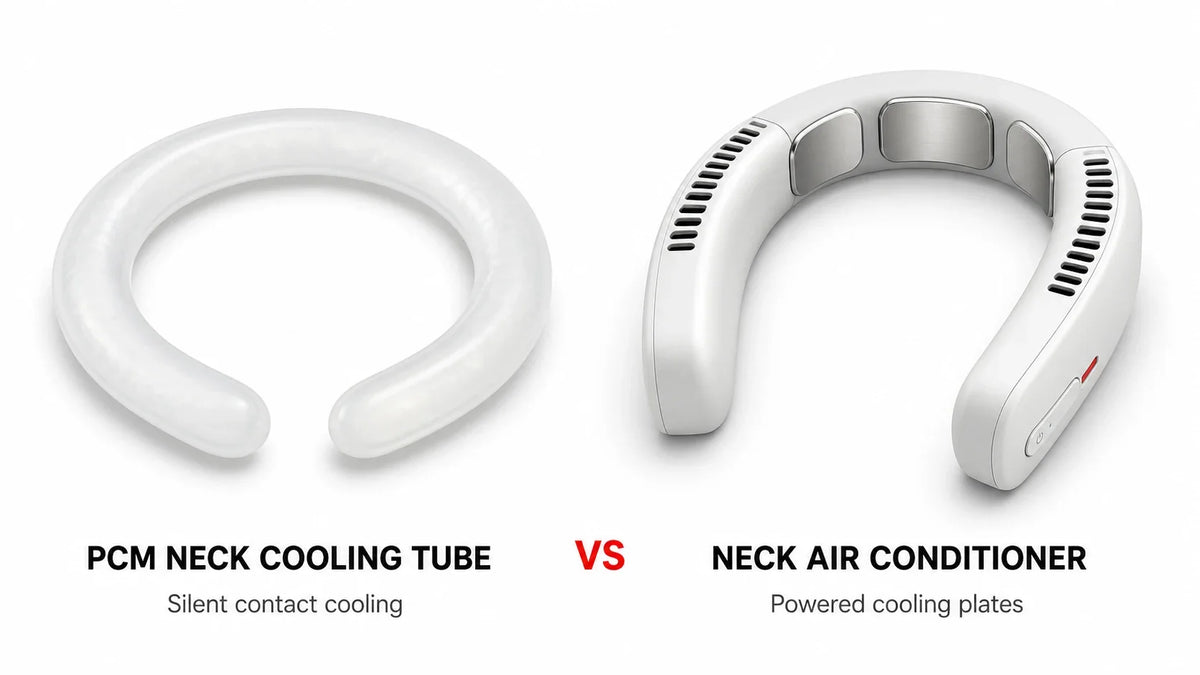
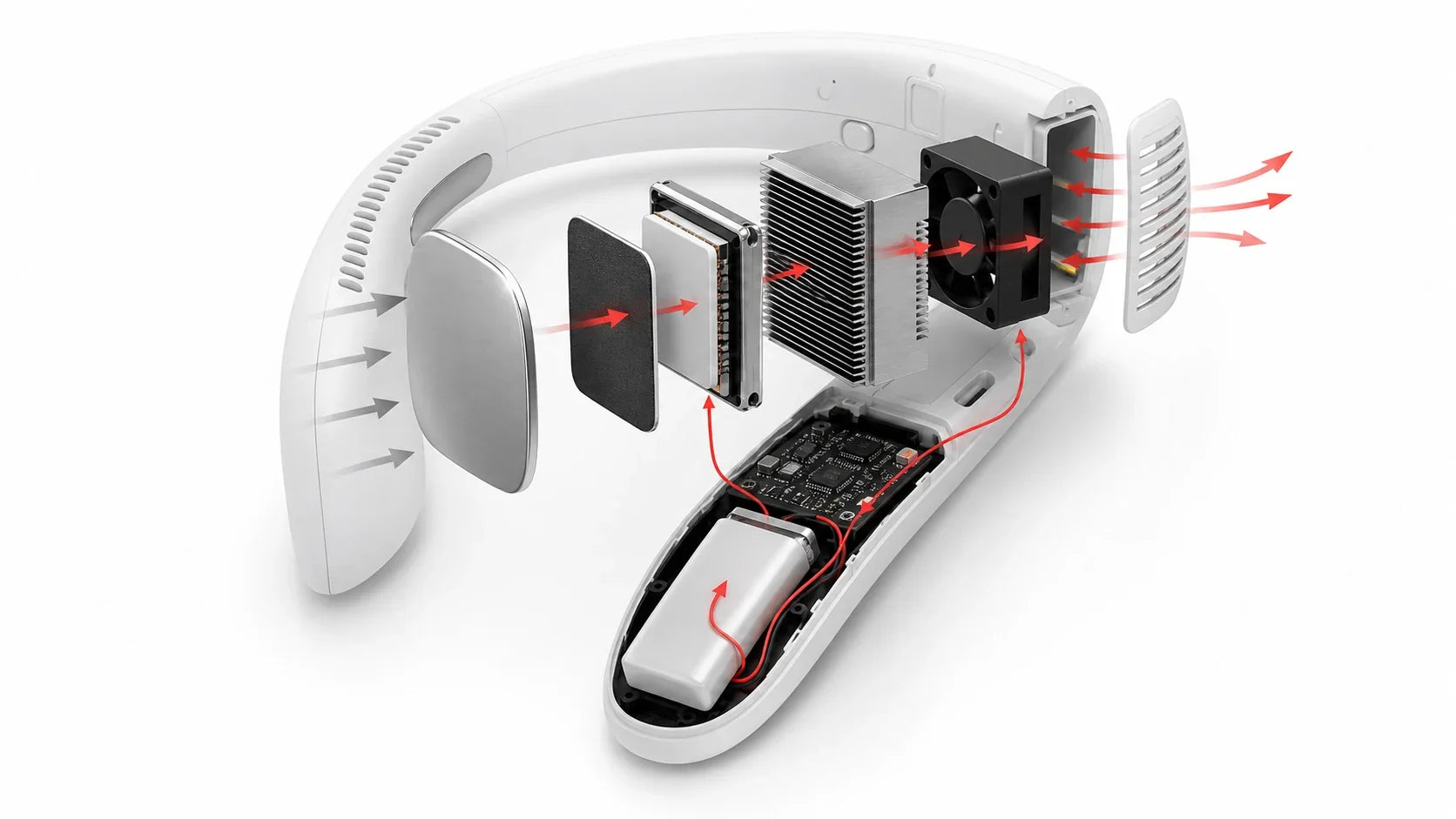
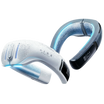
عادةً ما يشير مصطلح مبرد الرقبة إلى جهاز يمكن ارتداؤه أكثر تقدمًا يجمع بين تدفق الهواء ولوحة كهروحرارية واحدة أو أكثر. يمكن أن تصبح هذه اللوحات أبرد من السطح المحيط وتنقل الحرارة بعيدًا عن الجلد عند نقطة التلامس. لا يزال يتعين على الجهاز إطلاق تلك الحرارة في مكان آخر، لذلك تحتاج طرز التبريد النشط أيضًا إلى مشتتات حرارية ومراوح.
الأنواع الثلاثة للمنتجات التي من المرجح أن تصادفها

| نوع المنتج | كيف يبرد | الأنسب لـ | المقايضات الرئيسية |
|---|---|---|---|
| مروحة رقبة مفتوحة الرأس | يوجه رأسان مروحة ظاهران الهواء المحيط نحو الوجه أو الرقبة. | تدفق هواء بسيط وقابل للتعديل بسعر أقل. | أجزاء متحركة مكشوفة أكثر؛ قد يكون تدفق الهواء مركّزًا بدلاً من توزيعه بالتساوي. |
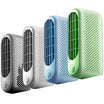
| مروحة رقبة بقناة هواء أو "بدون شفرات" | تدفع المراوح المغلقة الهواء المحيط عبر فتحات تهوية متعددة حول طوق الرقبة. | استخدام حر اليدين، وتدفق هواء أوسع، وتقليل التلامس مع شفرات المروحة المكشوفة. | لا تزال تستخدم المراوح؛ يختلف تخطيط فتحات التهوية وموضع السحب والضوضاء الداخلية اختلافًا كبيرًا. |
| مبرد رقبة بتبريد نشط | يُدمج تدفق الهواء مع ألواح كهروحرارية تبرد الجلد بالتلامس المباشر. | المستخدمون الذين يريدون إحساسًا مميزًا ببرودة التلامس بالإضافة إلى تدفق الهواء. | عادةً ما يكون أثقل وأكثر تكلفة وأكثر استهلاكًا للبطارية. |
| مبرد رقبة سلبي (ليس مروحة) | مادة مجمدة أو متغيرة الطور أو تبخيرية تمتص الحرارة بدون محرك. | تبريد صامت بدون شحن لفترة محدودة. | يتبدد تأثير التبريد مع ارتفاع حرارة المادة أو جفافها وقد يتطلب وضعها في الفريزر أو استخدام الماء لإعادة ضبطها. |
كيف تجعلك مروحة الرقبة تشعر بالبرودة؟

1. حركة الهواء تدعم التبخر
يعمل العرق على تبريد الجسم عندما يتبخر. يمكن للهواء المتحرك أن يحمل بعيدًا الطبقة الرطبة التي تتشكل بالقرب من الجلد، مما يسمح بمزيد من الرطوبة بالتبخر. لهذا السبب غالبًا ما تكون المروحة مفيدة بشكل خاص عندما تشعر بالدفء والتعرق الخفيف. في الهواء الرطب جدًا، يكون التبخر أقل كفاءة، لذا قد تبدو نفس مروحة الرقبة أقل فعالية.
2. حركة الهواء تغير تبادل الحرارة عند الجلد
إذا كان الهواء المحيط أبرد من الجلد، فإن حركة الهواء الأسرع يمكن أن تزيد من فقدان الحرارة بالحمل الحراري. يُظهر البحث المخبري حول استخدام المراوح الكهربائية أن تدفق الهواء يمكن أن يغير درجة حرارة الجلد والإحساس الحراري دون إحداث نفس التغيير بالضرورة في درجة حرارة الجسم الأساسية. هذا التمييز مهم: الشعور بمزيد من الراحة لا يعني تلقائيًا أن الإجهاد الحراري قد تم القضاء عليه. [1]
3. ألواح التبريد تخلق نقطة تلامس باردة محلية
تستخدم الأجهزة الكهروحرارية تأثير بلتيير لنقل الحرارة من جانب من الوحدة إلى الجانب الآخر. يلمس الجانب البارد الرقبة أو يقترب منها، بينما يجب أن يطلق الجانب الساخن الحرارة عبر مشتت حراري وتدفق هواء. يدعم البحث في الأنظمة الكهروحرارية القابلة للارتداء إمكانية التبريد الموضعي على الجسم، لكن الأداء في العالم الحقيقي يعتمد على منطقة التلامس، وتصميم المشتت الحراري، ومستوى الطاقة، والظروف المحيطة، والملاءمة. [2][3]
تمييز مهم: التبريد بمروحة فقط، وتبريد الجلد الموضعي، والحماية من الحرارة لكامل الجسم هي ثلاثة نتائج مختلفة. قد يوفر المنتج الأول أو الثاني دون ضمان الثالث.
هل تخفض مراوح الرقبة درجة حرارة الجسم؟
يمكن لمروحة الرقبة تحسين الراحة الشخصية، ولكن لا ينبغي افتراض أنها تخفض درجة حرارة الجسم الأساسية. النماذج التي تعمل بالمروحة فقط تؤثر بشكل أساسي على حركة الهواء والتبخر بالقرب من الجلد. يمكن للنماذج الكهروحرارية خفض درجة حرارة سطح الجلد الموضعية حيث تتلامس ألواح التبريد، لكن المنطقة المبردة صغيرة مقارنة بالجسم كله.
يصبح الفرق مهمًا بشكل خاص أثناء العمل الشاق أو التمارين أو الحرارة الشديدة. يصف المعهد الوطني الأمريكي للسلامة والصحة المهنية الإجهاد الحراري بأنه التأثير المشترك للحرارة البيئية والحرارة الأيضية والملابس ومعدات الحماية الشخصية. ويوصي بضوابط هندسية وضوابط ممارسات العمل للتعرض الحراري المهني. قد يكون التبريد الشخصي القابل للارتداء جزءًا واحدًا من خطة أوسع، وليس بديلاً عن الراحة أو الترطيب أو الظل أو التأقلم أو ضوابط مكان العمل المناسبة. [4][5]
إذا أصيب شخص بالارتباك أو الإغماء أو الضعف الشديد أو صداع متزايد أو علامات أخرى لمرض متعلق بالحرارة، فتوقف عن الاعتماد على أداة شخصية واطلب المساعدة المناسبة. مروحة الرقبة جهاز راحة، وليست معدات طبية.
ما هي فوائد مروحة الرقبة؟
-
تدفق هواء بدون استخدام اليدين. يمكنك المشي أو الكتابة أو حمل حقيبة أو استخدام الأدوات دون إمساك مروحة أمام وجهك.
-
راحة مستهدفة. يتم توجيه الهواء نحو المناطق التي يلاحظها العديد من المستخدمين بسرعة: الرقبة وخط الفك وأسفل الوجه.
-
قابلية النقل. تناسب معظم مراوح الرقبة حقيبة الظهر أو حقيبة اليد وتُشحن عبر USB.
-
تحكم شخصي. يمكنك تغيير السرعة أو مستوى التبريد دون تغيير منظم الحرارة المشترك.
-
استخدام مرن. قد يكون نفس الجهاز مفيدًا أثناء التنقل أو السفر أو العمل المكتبي أو المناسبات أو النشاط الخارجي الخفيف.
-
لا حاجة للماء أو الفريزر للنماذج القائمة على المروحة. على عكس الأغطية السلبية، يمكن إعادة تشغيلها كلما كانت البطارية مشحونة.
ما هي القيود؟
-
النموذج الذي يعمل بمروحة فقط يحرك الهواء المحيط؛ لا ينتج هواء مبردًا أو يخفض درجة حرارة الغرفة.
-
الرطوبة العالية يمكن أن تقلل من فائدة التبريد التبخيري من العرق.
-
يستهلك التبريد النشط طاقة أكبر وقد يقصر عمر البطارية عند الإعدادات الأعلى.
-
تضيف المراوح الإضافية والمشتتات الحرارية وزنًا، وقد يؤدي التوزيع السيئ للوزن إلى ضغط على الجزء الخلفي أو الجانبي من الرقبة.
-
قد يكون ضجيج المحرك وتدفق الهواء مشتتًا في المكالمات أو المكتبات أو المكاتب الهادئة.
-
يمكن أن تُحجب مداخل الهواء بالشعر أو الياقات أو المناشف أو أحزمة حقيبة الظهر.
-
مروحة الرقبة ليست بديلاً عن تكييف الهواء أو الظل أو الترطيب أو خطة السلامة من الحرارة في الظروف الخطرة.
كيف تختار مروحة الرقبة
ابدأ بآلية التبريد، ثم انتقل إلى الملاءمة والاستخدام اليومي. قائمة المواصفات الطويلة ليست مفيدة إذا كان المنتج غير مريح بعد عشرين دقيقة أو مرتفع الصوت للغاية بالنسبة للمكان الذي تخطط لارتدائه فيه.

1. قرر ما إذا كنت تريد تدفق الهواء أو تبريد التلامس النشط
اختر طرازًا بمروحة فقط إذا كانت أولويتك هي الوزن الخفيف وعمر البطارية الأطول وتحريك الهواء حول الوجه والرقبة. فكر في طراز تبريد نشط إذا كنت تريد نقطة تلامس باردة ملحوظة وتقبل الزيادة المحتملة في الوزن والسعر واستخدام البطارية. لا تعتمد على كلمة مكيف الهواء وحدها؛ ابحث عن وصف واضح لآلية التبريد.
2. افحص مسار تدفق الهواء
المزيد من الفتحات لا يعني تلقائيًا تدفق هواء أكثر فائدة. تحقق من مكان دخول الهواء ومكان خروجه وما إذا كانت الفتحات موجهة نحو الجلد وليس الملابس. يجب أن يحافظ التصميم الجيد على فتحات السحب خالية أثناء الارتداء العادي وتوزيع الهواء دون إنشاء نقطة قوية بشكل غير مريح.
3. انظر إلى الملاءمة والقابلية للتعديل وتوزيع الوزن
الوزن الإجمالي مهم، لكن التوازن مهم أيضًا. يمكن أن يكون الجهاز الأثقل قليلاً أكثر راحة إذا تم توزيع الكتلة بالتساوي. تحقق من فتحة الرقبة الموصى بها ومرونة الأذرع وما إذا كانت ألواح التبريد تظل على اتصال دون ضغط مفرط. يجب على الأشخاص ذوي الرقبة الأصغر أو الأكبر توخي الحذر بشكل خاص بشأن ادعاءات المقاس الواحد الذي يناسب الجميع.
4. قارن عمر البطارية الواقعي
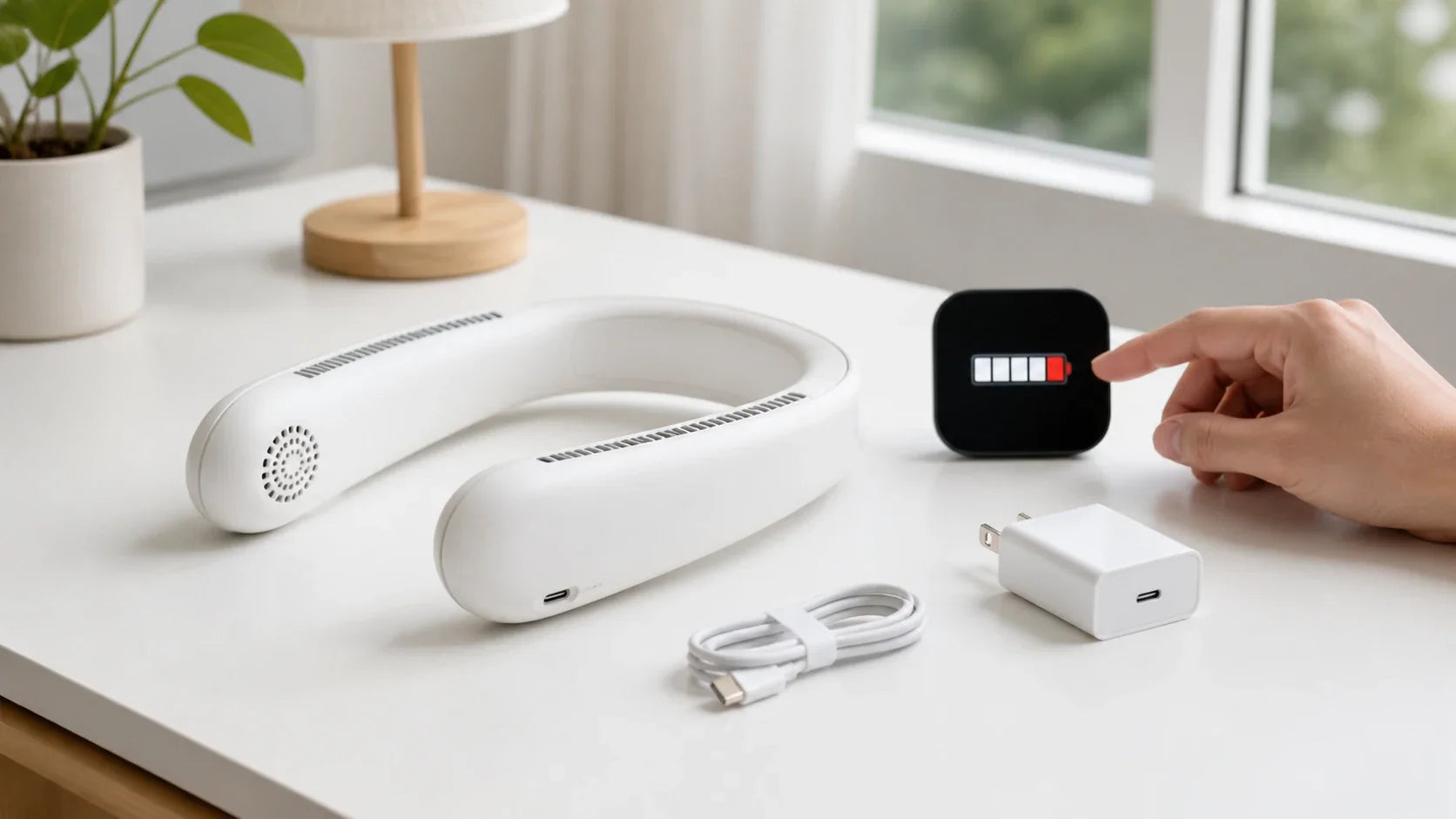
عادةً ما تكون ادعاءات عمر البطارية نطاقات لأن السرعة والتبريد النشط ودرجة الحرارة المحيطة ومنطق التحكم تؤثر جميعها على استهلاك الطاقة. اطلب وقت التشغيل حسب الوضع، وليس فقط أطول رقم ممكن. بالنسبة لطراز التبريد النشط، قارن وقت تشغيل المروحة فقط والتبريد المنخفض والتبريد الأقصى بشكل منفصل. تأكد أيضًا من مدخل الشحن وما إذا كان يمكن استخدام بنك طاقة USB عادي وفقًا لتعليمات الشركة المصنعة.
5. تحقق من الضوضاء في البيئة التي ستستخدمها فيها
الإعداد العالي الذي يشعرك بالارتياح في الخارج قد يكون مشتتًا أثناء مكالمة فيديو. ابحث عن مستويات صوت مقيسة مع ذكر مسافة الاختبار، وتذكر أن المراوح قريبة من الأذنين. إذا لم تتوفر قياسات مماثلة، ففضل متجرًا بسياسة إرجاع عملية.
6. تحقق من حماية الشعر وفتحات السحب
تعني كلمة بدون شفرات عادةً أن المروحة مغلقة، وليس أن المنتج لا يحتوي على مروحة متحركة. يمكن أن يغطي الشعر الطويل فتحة السحب. ابحث عن فتحات محمية، وأبقِ الشعر بعيدًا عن مسار السحب وأوقف تشغيل الجهاز قبل ضبطه.
7. راجع أدوات التحكم وخطوات درجة الحرارة
يجب أن يسهل التعرف على أدوات التحكم باللمس دون التسبب في ضغطات عرضية. إذا كان المنتج يحتوي على ألواح تبريد، فقد تكون المستويات المتعددة أكثر فائدة من إعداد البرودة القصوى الواحد. التبريد المستقر والمريح أكثر عملية عمومًا من الانفجار الأول الهائل الذي يصبح غير مريح بسرعة.
8. تحقق من إرشادات التنظيف والرطوبة
يتراكم العرق وواقي الشمس وزيوت الجلد على الأسطح التي تلامس الرقبة. تحقق مما إذا كان يمكن مسح ألواح التلامس، وما إذا كان يمكن تنظيف مسار الهواء، وما يغطيه تصنيف مقاومة الماء فعليًا. لا تعني مقاومة الماء تلقائيًا أن الجهاز قابل للغسل.
9. اقرأ معلومات الضمان وسلامة البطارية
ابحث عن متطلبات شحن واضحة وتعليمات تخزين وضمان يحدد البائع أو الشركة المصنعة. توقف عن استخدام الجهاز إذا أصبح ساخنًا بشكل غير طبيعي أو انتفخ غلافه أو صدرت منه رائحة حرق أو تضرر من الماء. لا تفتح أو تستبدل بطارية ليثيوم داخلية ما لم تقدم الشركة المصنعة إجراء خدمة آمنًا صراحةً.
10. تعامل مع الميزات الإضافية كعوامل حاسمة
يمكن أن تكون الشاشات والتطبيقات والإضاءة والأوضاع الإضافية مريحة، ولكن يجب أن تأتي بعد الآلية والملاءمة والبطارية والضوضاء والسلامة. المنتج البسيط الذي يناسب بشكل صحيح عادة ما يكون أكثر فائدة من المنتج المليء بالميزات الذي تتجنب ارتداءه.

من هو الأفضل لاستخدام مروحة الرقبة؟
تكون مروحة الرقبة أكثر إقناعًا عندما يحل تدفق الهواء الشخصي بدون استخدام اليدين مشكلة محددة. المستخدمون النموذجيون يشملون:
-
المسافرون يوميًا الذين يمشون بين الأماكن المكيفة ووسائل النقل العامة.
-
المسافرون الذين يريدون مروحة شخصية صغيرة للطوابير والمحطات ومشاهدة المعالم.
-
مستخدمو المكاتب الذين يفضلون تدفق الهواء الشخصي بدلاً من خفض منظم الحرارة المشترك.
-
حضور الفعاليات الذين يقضون فترات طويلة في طوابير خارجية أو مناطق المتفرجين.
-
الأشخاص الذين يقومون بمهام خارجية خفيفة حيث لا يتعارض الجهاز مع السمع أو الرؤية أو معدات الحماية المطلوبة.
قد لا تكون مروحة الرقبة مناسبة لك إذا كنت حساسًا جدًا للصوت، أو لا تتحمل الضغط حول الرقبة، أو تحتاج إلى حماية معتمدة من الحرارة الشديدة، أو ترتدي معدات تسد فتحات الهواء، أو تحتاج إلى جهاز يبرد غرفة بأكملها.
دليل القرار السريع
| أولويتك | ما الذي يجب أن توليه الأولوية | نقطة البداية المثالية على الأرجح |
|---|---|---|
| أطول وقت تشغيل عملي | وضع المروحة فقط، وسرعة معتدلة، ووقت تشغيل واضح لكل وضع | مروحة رقبة بقناة هواء |
| أقوى إحساس بالبرودة | مساحة لوحة التبريد، وملامسة اللوحة، وتصميم المشتت الحراري، ووقت تشغيل وضع التبريد | مكيف هواء الرقبة بالتبريد النشط |
| استخدام مكتبي هادئ | مستوى الصوت عند السرعة المنخفضة، وتدفق هواء لطيف واسع، وأدوات تحكم بسيطة | طراز قناة الهواء منخفض الضوضاء |
| شعر طويل | مراوح مغلقة، وفتحات هواء محمية، وموضع فتحة الهواء وخلوص الشعر | طراز قناة هواء محمي |
| بدون شحن | وقت إعادة الضبط، ووقت الذوبان/الجفاف، والرطوبة والوزن | لفافة أو أنبوب تبريد سلبي |
| السفر | الوزن، وقابلية التعبئة، والشحن عبر USB، والنقل الآمن للبطارية | مروحة رقبة قابلة لإعادة الشحن مع مواصفات بطارية موثقة |
كيفية الحصول على نتائج أفضل من مروحة الرقبة
-
ابدأ بفتحات هواء واضحة. أبعد الشعر والياقات العالية والأحزمة عن فتحات السحب.
-
اضبط الزاوية قبل زيادة السرعة. قد يكون اتجاه تدفق الهواء الأفضل أكثر فائدة من الطاقة القصوى.
-
استخدم إعدادًا أقل في الأماكن الهادئة واحتفظ بالطاقة القصوى لفترات قصيرة وأكثر حرارة.
-
امسح الأسطح الملامسة للجلد بعد الاستخدام المتعرق واتبع تعليمات التنظيف الخاصة بالشركة المصنعة.
-
أعد الشحن قبل الرحلات الطويلة واستخدم فقط معدات الشحن المتوافقة.
-
اجمع بين التبريد الشخصي والظل والسوائل والراحة والتحكم البيئي المناسب عندما يكون التعرض للحرارة كبيرًا.
الأسئلة الشائعة
هل مروحة الرقبة هي نفسها مكيف هواء الرقبة؟
ليس دائمًا. عادةً ما تحرك مروحة الرقبة الهواء المحيط. قد يضيف المنتج الموصوف بأنه مكيف هواء للرقبة ألواح تبريد كهروحرارية، لكن التسمية غير متسقة. تحقق من الآلية بدلاً من الاعتماد على تصنيف الفئة.
هل يمكن لمروحة الرقبة أن تنفخ هواءً باردًا؟
الطراز الذي يعمل بمروحة فقط ينفخ الهواء المحيط، وبالتالي لا يبرّد تدفق الهواء. ومع ذلك، قد يبدو أكثر برودة لأن حركة الهواء تدعم التبخر وتبادل الحرارة على الجلد. بينما ينشئ الطراز الكهروحراري سطحًا باردًا للتلامس، لكن هذا لا يعني بالضرورة أن الهواء الخارج من الفتحات مبرّد.
كم تدوم مروحة الرقبة بشحنة واحدة؟
تعتمد مدة التشغيل على سعة البطارية، وسرعة المروحة، والتبريد النشط، ومنطق التحكم. قارن مدة التشغيل الخاصة بكل وضع تحت شروط الاختبار المذكورة. غالبًا ما يمثل الرقم الأقصى المعلن عنه وضع الطاقة الأقل، وليس أقصى تبريد مستمر.
هل مراوح الرقبة بدون شفرات هي حقًا بدون شفرات؟
عادةً لا. يعني المصطلح عمومًا أن الدفاعات الدوارة مغلقة داخل الهيكل. يمكن أن يقلل الإغلاق من الاتصال المباشر بالأجزاء المتحركة، لكن فتحات السحب لا تزال بحاجة إلى مسافة من الشعر والملابس.
هل تعمل مراوح الرقبة في الطقس الرطب؟
يمكنها تحريك الهواء، لكن الرطوبة العالية تقلل من معدل تبخر العرق. لذلك قد يلاحظ بعض الأشخاص تبريدًا أقل من الأجهزة التي تعمل بمروحة فقط في الظروف الرطبة. لوحة التبريد النشطة أقل اعتمادًا على تبخر العرق عند نقطة التلامس، على الرغم من أن الجهاز الكلي لا يزال لديه حدود في الأداء والبطارية.
هل مراوح الرقبة آمنة للشعر الطويل؟
يمكن استخدامها بأمان أكبر عندما تكون الدفاعات مغلقة، وفتحات السحب محمية، ويُبقى الشعر بعيدًا عن مسار تدفق الهواء. أوقف المروحة قبل تحريك الشعر أو ضبط الجهاز. لا ينبغي معاملة أي تصميم استهلاكي على أنه مقاوم تمامًا للشعر.
الخلاصة
أفضل مروحة رقبة ليست بالضرورة الطراز الذي يحتوي على أكبر عدد من الفتحات، أو أدنى درجة حرارة معلنة، أو أكبر رقم بطارية. بل هو الطراز الذي تتوافق آليته في التبريد مع توقعاتك، ويظل وزنه وملاءمته مريحين، وتناسب مدة تشغيله الحقيقية وضوضاءه المكان الذي ستستخدمه فيه.
إذا كنت تريد أساسًا تدفق هواء محمولاً وبدون استخدام اليدين، ابدأ بمروحة رقبة بقناة هواء محمية جيدًا. إذا كنت تريد تحديدًا إحساسًا باردًا عند التلامس على الرقبة، قارن بين الطرازات ذات التبريد النشط وانتبه جيدًا لملاءمة لوحة التبريد، وتبديد الحرارة، وعمر البطارية حسب الوضع. في كلتا الحالتين، تعامل مع مروحة الرقبة كأداة راحة شخصية—وليس كبديل عن ممارسات السلامة من الحرارة أو تكييف هواء الغرفة.
الخطوة التالية: استكشف مكيفات هواء الرقبة من RANVOO وقارن بين نهج التبريد والملاءمة ومدة التشغيل التي تناسب خططك لاستخدام التبريد الشخصي.
المصادر
[2] هونغ وآخرون (2019)، الكهروحراريات القابلة للارتداء لتنظيم الحرارة الشخصي.
[3] فونغ وآخرون (2019)، مبردات كهروحرارية قابلة للارتداء فائقة الأداء بمواد أقل.
[4] المعهد الوطني للسلامة والصحة المهنية، الإجهاد الحراري والعمال.