
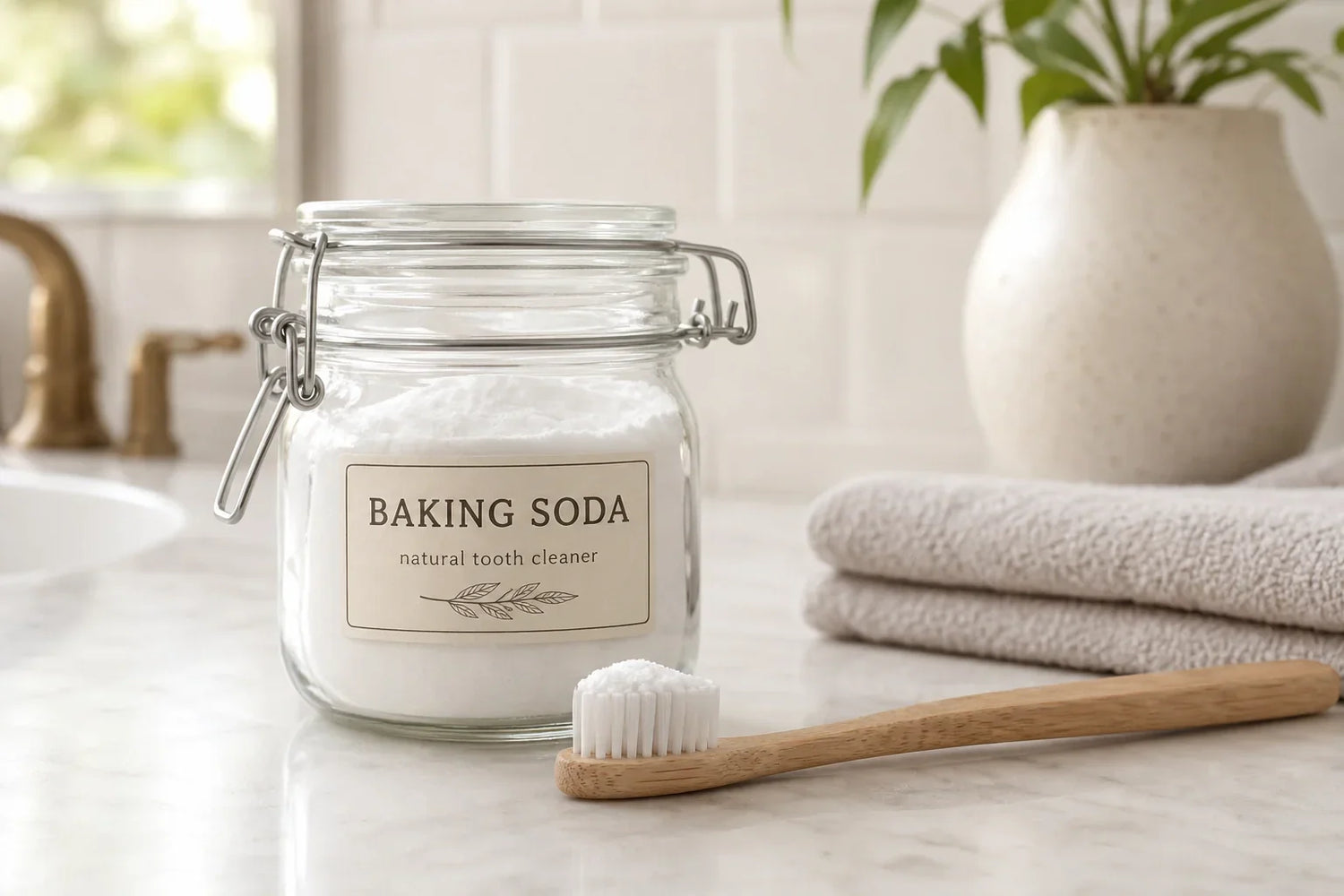
الخلاصة: يمكن لصودا الخبز (بيكربونات الصوديوم) إزالة البقع السطحية والمساعدة في تقليل البلاك عند استخدامها بلطف وباعتدال، لكنها ليست بديلاً كاملاً عن معجون الأسنان الذي يحتوي على الفلورايد. لن تبيض أسنانك، وقد تهيج اللثة إذا فركت بقوة، واستخدامها يومياً دون مصدر للفلورايد قد يزيد من خطر تسوس الأسنان. بالنسبة لمعظم الأشخاص ذوي المينا السليمة، فإن 2-3 مرات في الأسبوع هو الحد الآمن. إذا كانت أسنانك حساسة أو لديك انحسار في اللثة أو تقويم أسنان، فمن المحتمل ألا تكون هذه الحيلة مناسبة لك.

عند التصفح عبر وسائل التواصل الاجتماعي سترى كل شيء بدءاً من فرك الفحم إلى سحب الزيت، لكن القليل من حيل التبييض الطبيعية تحظى بقدر كبير من الاهتمام مثل صودا الخبز العادية. الجاذبية واضحة: إنها رخيصة الثمن، وهي موجودة بالفعل في مخزنك، ولديها سمعة في جعل الأسنان تبدو أكثر إشراقاً بشكل ملحوظ. ومع ذلك، فإن النصيحة المتداولة غالباً ما تتخطى الأجزاء التي يريد طبيب الأسنان أن تعرفها – حول التآكل، وحول نقص الفلورايد، وحول عدد المرات التي يمكنك حقاً استخدامها فيها دون مشاكل. هذا الدليل يبتعد عن المبالغة ويحلل ملف السلامة الحقيقي، وآلية التبييض الفعلية، والتقنية خطوة بخطوة التي تقلل المخاطر.
هل صودا الخبز آمنة لأسنانك؟
أول قلق يعبر عنه معظم الناس هو ما إذا كان هذا المسحوق الحبيبي سيخدش المينا. الخبر الجيد: صودا الخبز النقية (بيكربونات الصوديوم) تحصل على درجة منخفضة جداً على مقياس كشط العاج النسبي (RDA) —حوالي 7، وهو أكثر لطفاً بكثير من العديد من معاجين الأسنان المبيضة التي يمكن أن تتجاوز قيم RDA فيها 100 بكثير. نظراً لأن الجسيمات لينة نسبياً مقارنة بـ مينا الأسنان، فإن المادة نفسها ليست الشرير. الخطر الحقيقي يأتي من كيفية استخدامك لها. فرك بقوة بفرشاة خشنة أو خلط صودا الخبز مع مكونات حمضية مثل عصير الليمون يمكن أن يحول تآكل الأسنان الخفيف إلى مشكلة حقيقية.
لكن السلامة تتعلق بأكثر من مجرد التآكل. هناك ثغرتان رئيسيتان حتى عند استخدام صودا الخبز بحذر. أولاً، لا توفر أي حماية من الفلورايد —مما يعني عدم وجود درع لإعادة التمعدن ضد التسوس. ثانياً، طبيعتها القلوية يمكن أن تهيج أنسجة اللثة إذا بقيت غير مخففة على الأنسجة الرخوة لفترة طويلة. لذا بينما استخدامها من حين لآخر لن يدمر ابتسامتك، إلا أنها أيضاً لا تلبي جميع متطلبات روتين العناية بالفم الكامل.
كيف تبيض وتكافح البلاك في الواقع
صودا الخبز لا تبيض. إنها لا تخترق المينا لتغيير لون أسنانك الطبيعي كما تفعل العلاجات القائمة على البيروكسيد. ما تفعله هو تلميع البقع الخارجية—وهي تغير اللون السطحي الناتج عن القهوة والشاي والنبيذ الأحمر والتدخين. فكر فيها كلوح تنظيف مجهري لطيف يزيل الغشاء قبل أن يصبح عنيداً ومدمجاً. هذا الفعل اليدوي، بالإضافة إلى قدرتها على رفع درجة الحموضة في الفم لفترة وجيزة وتحييد الأحماض البكتيرية، هو السبب وراء رؤية بعض الأشخاص لابتسامة أكثر إشراقاً بعد عدة مرات من الاستخدام.
عندما يتعلق الأمر بـ إزالة البلاك، فإن الأدلة دقيقة ولكنها مشجعة في سياقات معينة. وجدت دراسة سريرية عشوائية لمدة 6 أشهر أن معاجين الأسنان التي تحتوي على الفلورايد والتي تحتوي على 20% أو 35% من صودا الخبز قللت من البلاك والتهاب اللثة والنزيف بشكل أكثر فعالية من معجون الأسنان العادي الذي يحتوي على الفلورايد وحده. كانت التحسينات ذات دلالة إحصائية: بعد ستة أشهر، قلل معجون الأسنان الذي يحتوي على 35% من صودا الخبز مؤشر البلاك بنسبة 18.3% ومؤشر نزيف اللثة بنسبة 47% تقريباً مقارنة بالمجموعة الضابطة. وفي الوقت نفسه، أظهر تحليل مجمع لست تجارب سريرية أن الاستخدام مرتين يومياً لمعجون أسنان يحتوي على 67% من بيكربونات الصوديوم يحسن باستمرار التحكم في البلاك وصحة اللثة في جميع مواضع الأسنان على مدى 24 أسبوعاً. ومع ذلك، لاحظ أن هذه معاجين الأسنان التجارية تحتوي أيضًا على الفلورايد ومكونات وظيفية أخرى. ستكون فائدة صودا الخبز العادية وحدها، خاصة عند استخدامها فقط من حين لآخر، أقل. وجدت دراسة أخرى خاضعة للرقابة بعناية باستخدام تطبيق صينية متخصص أن معجون أسنان عالي التركيز من بيكربونات الصوديوم لم يُحدث تأثيرًا مضادًا للبلاك ذا دلالة إحصائية مقارنةً بالمجموعة الضابطة، مما يشير إلى أن تقنية التنظيف في الواقع العملي وتركيبة معجون الأسنان الكاملة تلعبان أدوارًا كبيرة.
باختصار: يمكن لصودا الخبز أن تساعد في إزالة الطبقة الحيوية اللزجة، لكنها ليست حلاً سحريًا لـ التهاب اللثة. ميزتها الرئيسية هي إزالة البقع، وليس القضاء على البلاك.
خطوة بخطوة: الطريقة اللطيفة لتنظيف الأسنان بصودا الخبز
إذا قررت تجربة ذلك، فالتقنية هي كل شيء. إليك كيفية القيام بذلك دون تحويل مكوّن منخفض الكشط إلى كارثة كاشطة.
- بلل فرشاة أسنان ناعمة الشعيرات. لا تستخدم فرشاة متوسطة أو صلبة أبدًا—فمزيج الشعيرات الصلبة مع أي مسحوق يضاعف تآكل المينا واللثة.
- اغمس أطراف الشعيرات فقط في كمية صغيرة من صودا الخبز الجافة. لا تحتاج إلى تغطية رأس الفرشاة بالكامل؛ طبقة خفيفة تكفي.
- نظف أسنانك دون ضغط لمدة لا تتجاوز دقيقتين. استخدم ضربات قصيرة ولطيفة. الحبيبات هي التي تقوم بالعمل، وليس قوتك. تخيل أنك تلمع سطحًا حساسًا، وليس تنظيف مقلاة بحك.
- اشطف جيدًا. حرك الماء بقوة لطرد جميع الجزيئات. ترك الحبيبات خلفك يمكن أن يسبب تهيج اللثة.
- اقتصر على 2-3 مرات أسبوعيًا كحد أقصى. يجب أن يكون هذا مساعدًا عرضيًا، وليس بديلاً عن معجون الأسنان اليومي أبدًا.
إذا شعرت في أي وقت أن لثتك خشنة، أو أصبحت أسنانك حساسة، أو لاحظت أن فمك جاف ومتهيج، توقف وامنح أسنانك راحة لمدة أسبوع على الأقل.

المخاطر والسلبيات التي لا يتحدث عنها أحد
نادرًا ما تذكر دروس وسائل التواصل الاجتماعي ما يحدث عندما تصبح صودا الخبز عادة يومية. الاستخدام المفرط المزمن يمكن أن يضعف المينا تدريجيًا، خاصة عند خط اللثة أو على العاج المكشوف حيث تكون الطبقة الواقية أرق بالفعل. نظرًا لأن صودا الخبز لا تحتوي على الفلورايد، فإن تخطي معجون الأسنان بالفلورايد لأيام أو أسابيع يخلق نافذة لا يتم فيها إعادة تمعدن أسنانك بعد الوجبات وهجمات الأحماض. هذا خطر تسوس حقيقي يتطور بهدوء.
يمكن أن تجعل الطبيعة القلوية المالحة لصودا الخبز اللثة غير مريحة أو حتى تسبب تقشرًا خفيفًا في الغشاء المخاطي للفم إذا استخدمت دون تخفيف. غالبًا ما يسأل الأشخاص المصابون بارتفاع ضغط الدم أو الذين يهتمون بالصوديوم عن الامتصاص: كمية الصوديوم التي يتم امتصاصها عبر الفم من التنظيف صغيرة جدًا، ولكن إذا كنت تتبع نظامًا غذائيًا صارمًا منخفض الصوديوم، فمن الجدير مناقشة ذلك مع طبيبك وبالتأكيد تجنب ابتلاع الخليط. بالإضافة إلى ذلك، صودا الخبز لا تفعل شيئًا لتقوية المينا أو عكس التسوس المبكر—وهي فوائد تحصل عليها من الفلورايد ومن معاجين الأسنان التجارية بصودا الخبز التي تحتوي على عوامل إعادة التمعدن.
اجعله أكثر أمانًا: عادات أكثر ذكاءً وبدائل صديقة للفلورايد
يمكنك تقليل المخاطر بشكل كبير باتباع بعض القواعد الأساسية. استخدم دائمًا فرشاة ناعمة الشعيرات—هذا أمر غير قابل للتفاوض. ولا تخلط أبدًا صودا الخبز مع عصير الليمون أو الخل أو أي حمض آخر في محاولة لتعزيز التبييض. ستحصل على خليط كاوي يؤدي إلى تآكل المينا وقد يسبب ضررًا أكبر في جلسة واحدة من أشهر من التنظيف العادي.
الوتيرة الأكثر ذكاءً هي تناوب جلسات صودا الخبز مع معجون أسنان يحتوي على الفلورايد في أيام الراحة. على سبيل المثال، يمكنك استخدام تلميع صودا الخبز صباح الاثنين والخميس، والالتزام بمعجون الأسنان المعتاد الذي يحتوي على الفلورايد في جميع مرات التنظيف الأخرى. إذا كنت تشعر بالتعب من القلق بشأن التوازن تمامًا، فإن التحول إلى معجون أسنان بالصودا يحتوي على الفلورايد يمنحك تأثير إزالة البقع مع الحماية من التسوس، في منتج تم اختباره للسلامة. تستخدم العديد من هذه المعاجين جزيئات مضبوطة بدقة تكون أقل كشطًا من المسحوق محلي الصنع.
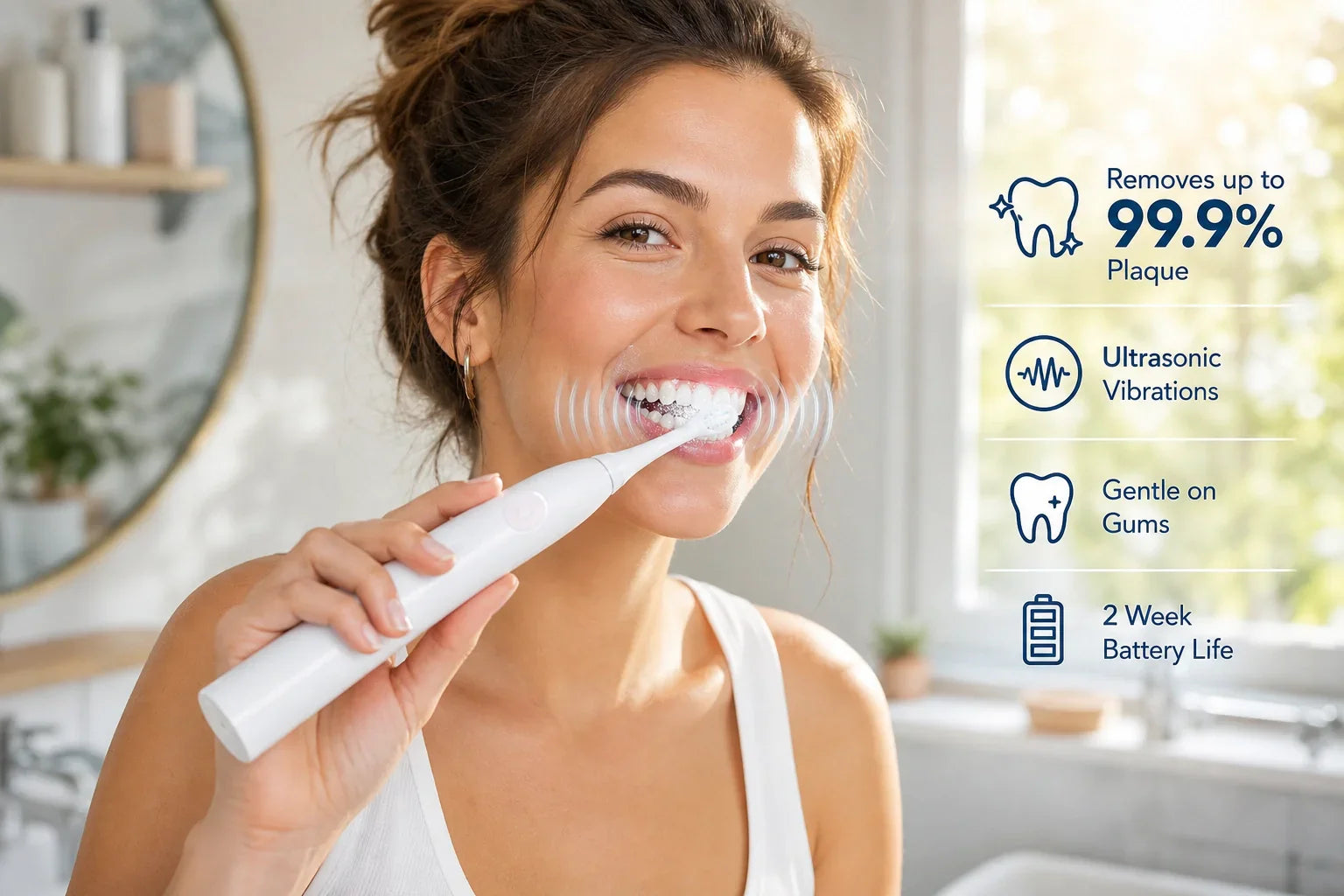
إذا كنت تستخدم فرشاة أسنان كهربائية، فقد يكون المزيج فعالًا بشكل خاص. تساعد الحركة التذبذبية أو الصوتية المنتظمة على تكسير الغشاء الحيوي السطحي وتلميع البقع دون الحاجة إلى فرك مادي قاسٍ أو مساحيق كاشطة. في الواقع، استخدام فرشاة أسنان كهربائية صوتية يمكن أن يزيل البقع السطحية من خلال ديناميكيات السوائل، مما يحافظ على ابتسامة أكثر إشراقًا بين جلسات صودا الخبز العرضية مع حماية المينا من الإفراط في التنظيف.
الخلاصة النهائية: من يجب أن يجربها ومن يجب أن يتجنبها
بالنسبة لشخص يتمتع بأسنان صحية، ولا يعاني من انحسار اللثة النشط، ويلتزم بإبقاء التكرار منخفضًا، يمكن أن تعمل صودا الخبز كملمع بقع عرضي منخفض التكلفة يضيء ابتسامتك بدرجة أو درجتين بمرور الوقت. إنه ليس علاجًا لتبييض الأسنان بالمعنى التجميلي، لكنه يمكنه تنظيف الفوضى الخارجية المتراكمة من الحياة اليومية.
على الجانب الآخر، إذا كنت تعاني بالفعل من أسنان حساسةأو جذور مكشوفة أو لثة منحسرة أو تيجان أو قشور أو تقويم أسنان، فمن المحتمل أن هذا ليس هو الحل المناسب لك. قد تؤدي احتمالية الكشط إلى تفاقم الحساسية وإتلاف الحواف حول الترميمات. بدلاً من ذلك، تحدث مع طبيب أسنانك حول خيارات التبييض الأكثر أمانًا والتزم بمعجون أسنان يحتوي على الفلورايد مصمم للأسنان الحساسة، وربما يتضمن صودا الخبز في تركيبة مضبوطة.
- جربها إذا: كانت ميناك سليمة، وتريد فقط إزالة البقع السطحية، وأنت دقيق في تحديد الاستخدام بمعدل 2-3 مرات في الأسبوع مع استخدام معجون أسنان يحتوي على الفلورايد بقية الوقت.
- تجنبها إذا: كان لديك حساسية أو انحسار في اللثة أو أعمال أسنان أو أجهزة تقويم أو تاريخ من التسوس—أو إذا كنت غير قادر على الالتزام بالتنظيف اللطيف.



اترك تعليقًا
This site is protected by hCaptcha and the hCaptcha Privacy Policy and Terms of Service apply.