
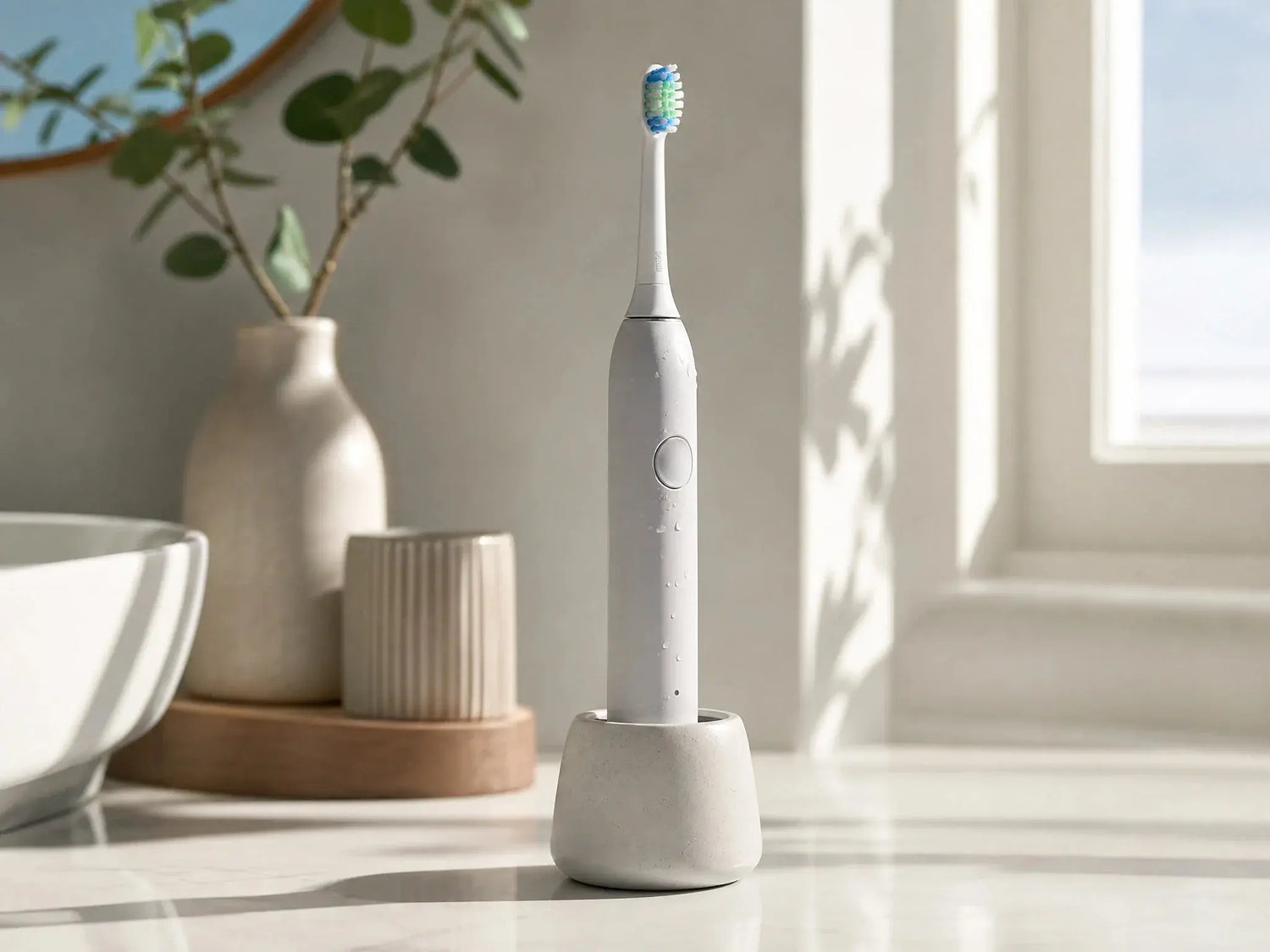
خلاصة سريعة — استبدل رأس فرشاة الأسنان الكهربائية كل 3 أشهر (أو أقرب إذا تآكلت الشعيرات أو بعد المرض). تزيل الشعيرات الجديدة ما يصل إلى 30% من البلاك وتحمي اللثة من الاحتكاك. استبدال بسيط يحافظ على ابتسامتك نظيفة بدعم علمي.
لماذا استبدال رأس فرشاة الأسنان الكهربائية مهم أكثر مما تظن
فرشاة أسنانك الكهربائية أداة قوية — لكن فقط عندما يكون رأسها في أفضل حالة. الشعيرات البالية لا تنظف بشكل أقل فحسب؛ بل يمكن أن تضر لثتك وتصبح مستودعًا للبكتيريا.
علم الشعيرات البالية وبكتيريا الفم
تآكل الشعيرات يعني أن الأطراف تتشعب أو تتآكل أو تنحني للخارج. في هذه الحالة، لا يمكن للشعيرات الوصول بين الأسنان أو تنظيف خط اللثة بفعالية. جمعية طب الأسنان الأمريكية تؤكد أن الفعالية تنخفض بشكل حاد بمجرد أن تتكتل الشعيرات أو تتآكل. ستفقد قوة إزالة البلاك في المكان الأكثر أهمية.
- البلاك المتبقي يتصلب إلى جير، مما يزيد من مخاطر التسوس و التهاب اللثة .
- الشعيرات المتآكلة يمكن أن تحك أنسجة اللثة، مما يساهم في انحسار اللثة مع مرور الوقت.
- قد يبدو الرأس البالي نظيفًا، لكن الشقوق المجهرية تحبس الرطوبة والبكتيريا.

تحسين استثمارك في فرشاة الأسنان الكهربائية
محرك فرشاتك ينتج اهتزازات سريعة. الرأس الجديد يحول هذه الحركة إلى أقصى إزالة للبلاك. عندما تكون الشعيرات مثنية، تتبدد الطاقة بدلاً من التركيز على أسطح الأسنان. استبدال الرأس بانتظام يحافظ على أداء المقبض كأنه جديد ويمنع الضغط غير الضروري على المحرك للتعويض عن فرشاة باهتة وغير فعالة.
كم مرة يجب تغيير رأس فرشاة الأسنان الكهربائية؟ القاعدة المدعومة من أطباء الأسنان
معيار 3 أشهر: متى ولماذا ينطبق
توصي جمعية طب الأسنان الأمريكية والشركات المصنعة مثل Oral-B وPhilips Sonicare باستبدال الرأس كل 3 أشهر — أو أقرب إذا ظهرت مؤشرات التآكل. خبيرة الأسنان جين كوتر، أستاذة مشاركة في كلية طب الأسنان بجامعة تكساس إيه آند إم، تشرح ببساطة: “فرش الأسنان المستخدمة لأكثر من ثلاثة أشهر يمكن أن تتآكل وقد تلحق الضرر باللثة.” حتى لو بدت الشعيرات جيدة، فإن تراكم الميكروبات وحده يبرر الاستبدال.
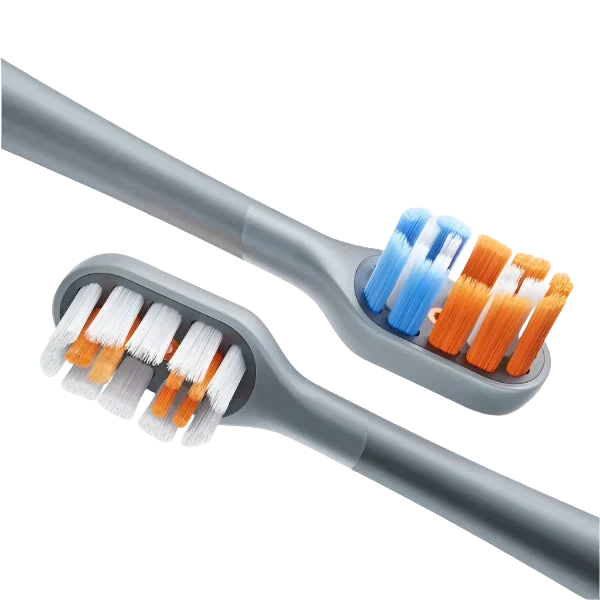
تشمل العديد من الرؤوس الحديثة شعيرات مؤشرة — ألياف زرقاء تتلاشى إلى الأبيض. بمجرد أن يختفي اللون في منتصف الشعيرات، حان وقت الاستبدال.
الدليل البصري لـ"فحص الشعيرات": علامات يجب استبدالها عاجلاً
انظر إلى رأس الفرشاة عن قرب كل بضعة أسابيع. استبدلها فورًا إذا لاحظت:
- شعيرات متفرقة أو متشابكة — تشير إلى الخارج بدلاً من أن تكون مستقيمة.
- أطراف مسطحة — تبدو مضغوطة لأسفل ولا يمكنها الوصول إلى الأخاديد.
- تغير اللون أو الرائحة — صبغة صفراء أو رائحة عفنة مستمرة تشير إلى وجود بكتيريا محتبسة.
- فقدان المرونة — عندما تنقر على الشعيرات بإبهامك، تشعر أنها صلبة ولا تعود إلى وضعها.
العادات الشخصية التي تقصر دورات الاستبدال
| العامل | الإجراء |
|---|---|
| ضغط تنظيف قوي | افحص الشعيرات أسبوعيًا؛ غالبًا تحتاج إلى استبدال عند شهرين |
| التنظيف أكثر من مرتين يوميًا | التزم بثلاثة أشهر ولكن افحصها عاجلاً |
| مشاركة عدة مستخدمين لنفس المقبض | يجب أن يكون لكل شخص رأسه الخاص؛ استبدل الكل بعد 3 أشهر |
| نزلة برد أو إنفلونزا أو عدوى فموية حديثة | استبدل الرأس فورًا بعد التعافي |
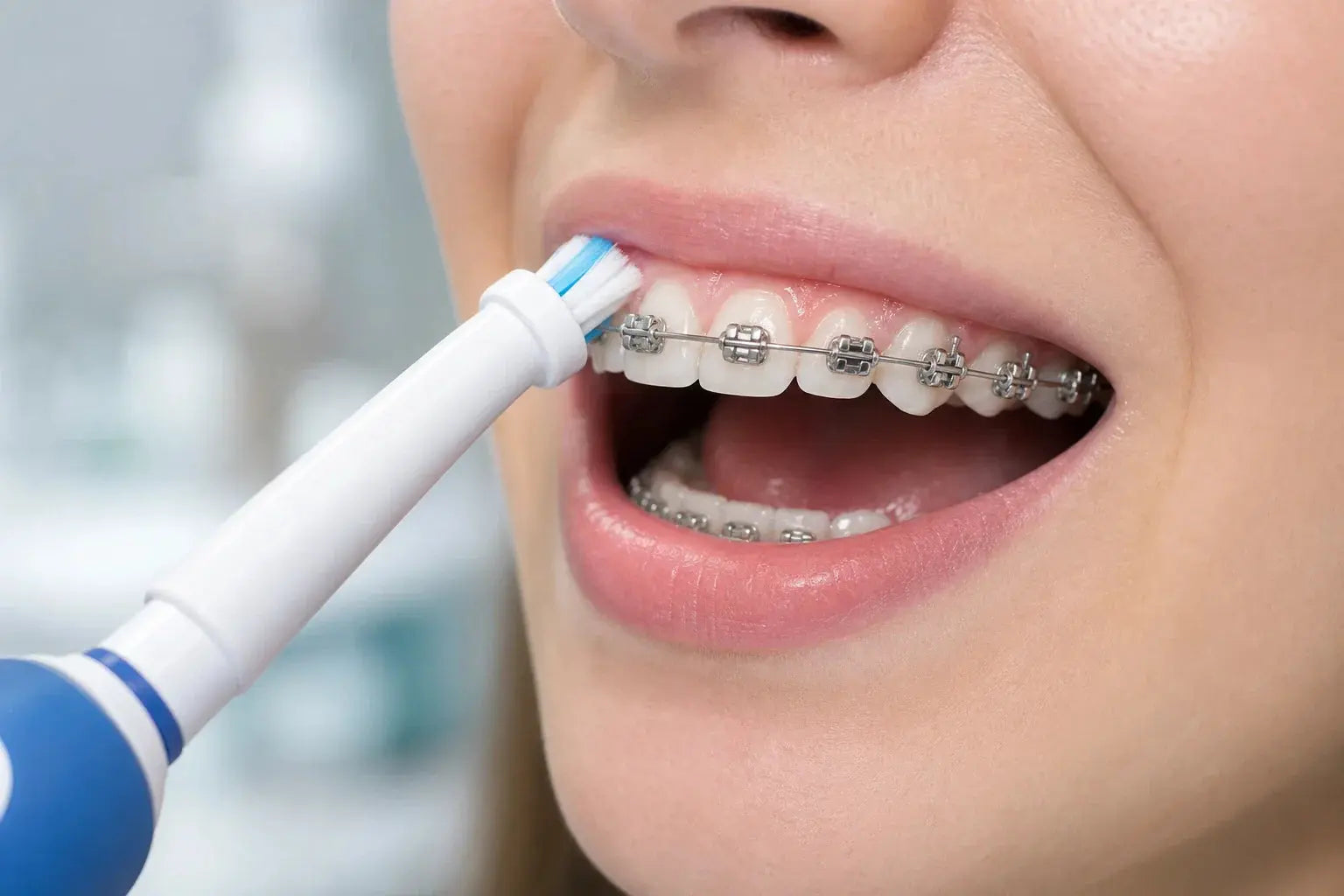
| تقويم الأسنان أو الأجهزة التقويمية | الرؤوس تبلى أسرع — استبدل كل 6–8 أسابيع |
ماذا يحدث إذا لم تستبدل رأس الفرشاة في الوقت المحدد
مخاطر تراجع اللثة، تآكل المينا، والحساسية
عندما تتفرق الشعيرات، يمكن أن تعمل مثل مشط صغير ضد لثتك. هذا الاحتكاك الميكانيكي قد يسبب تراجع اللثة وكشف العاج، مما يؤدي إلى الحساسية. كما أن إصابة الأنسجة الرخوة تجعل اللثة أكثر عرضة للعدوى. توصي ADA على وجه التحديد بالشعيرات الناعمة "لتقليل خطر تآكل اللثة"، ولكن حتى الشعيرات الناعمة تصبح كاشطة عند تآكلها. إذا كنت تشارك هذا القلق، ففكر في فرشاة مثل RANVOO AirJet X5، المصممة بتردد منخفض يبلغ 22,000 ضربة/دقيقة واهتزاز دقيق بزاوية 12 درجة لحماية اللثة الحساسة من اليوم الأول — مما يلغي القلق من خدش الشعيرات المتآكلة للأنسجة الرقيقة.
تراكم البكتيريا: مشكلة النظافة الخفية
رأس الفرشاة المستخدمة هو مكان رطب ومظلم في حمامك. تظهر الأبحاث أن الكائنات الحية الدقيقة — بما في ذلك الفطريات والبكتيريا — تزدهر في تلك البيئة، خاصة عندما يتم تخزين الرأس في علبة مغلقة أو حامل مشترك. بعد المرض، يمكن أن تؤدي إعادة استخدام نفس الرأس إلى إطالة التعرض أو نشر الجراثيم للآخرين. تنصح Cleveland Clinic باستبدال الرأس فورًا بعد الإصابة بنزلة برد أو إنفلونزا.
تناقص الفوائد: لماذا لا تشعر أسنانك بالنظافة الحقيقية
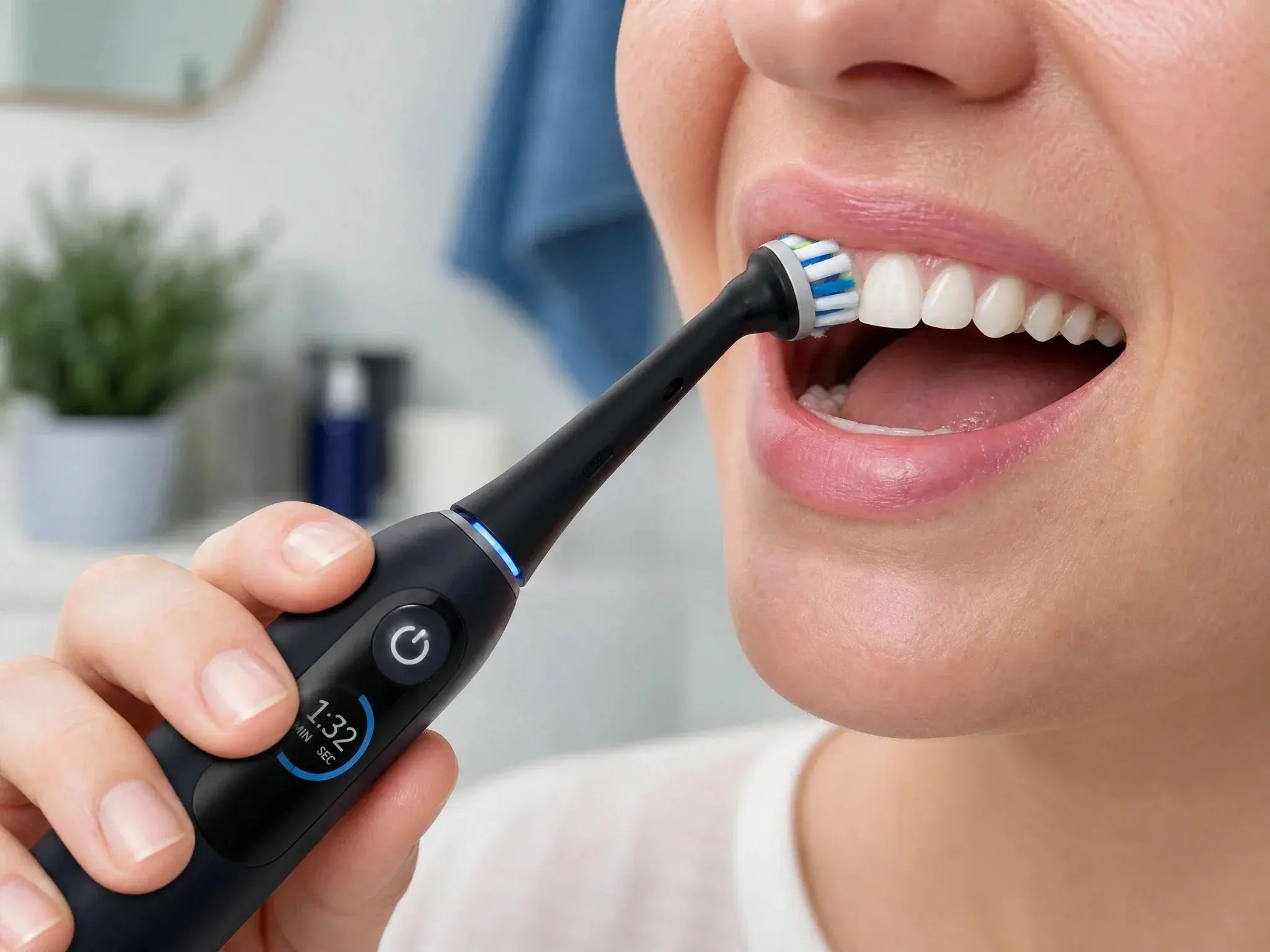
الإحساس الباهت بالنظافة، أو رائحة الفم الصباحية المستمرة، أو بقايا معجون الأسنان المتكررة كلها إشارات إلى أن رأس الفرشاة لا يؤدي وظيفته بشكل جيد. قد تجد نفسك تنظف أسنانك لفترة أطول أو بقوة أكبر للتعويض — مما يزيد من خطر تلف اللثة. يعيد الرأس الجديد على الفور ذلك الإحساس الناعم والنظيف كما عند طبيب الأسنان.
أين تخزن رأس الفرشاة وكيف تحافظ عليه بين عمليات الاستبدال
تقنيات الشطف والتجفيف بالهواء الصحيحة
- بعد كل استخدام، اشطف الرأس جيدًا تحت الماء الجاري لإزالة معجون الأسنان والحطام.
- قم بإزالة الرطوبة الزائدة.
- قم بتخزين المقبض في وضع مستقيم حتى يجف الرأس بحرية في الهواء. لا تقم أبدًا بتغطية رأس فرشاة مبلل.
إرشادات التخزين الصحيحة والغير صحيحة لأقصى درجات النظافة
- احرص على إبقاء فرشاتك في حامل مفتوح الهواء، بعيدًا عن منطقة رذاذ المرحاض.
- احرص على ترك الرأس يجف تمامًا بين الاستخدامات.
- تجنب مشاركة الحاملات أو السماح بملامسة رؤوس متعددة لبعضها البعض.
- تجنب الاعتماد على معقمات الأشعة فوق البنفسجية كبديل دائم للاستبدال. فقد تقلل البكتيريا ولكنها لا تعكس تآكل الشعيرات.
- تجنب تخزين الفرشاة في حقيبة سفر مغلقة لفترات طويلة دون فتحها للتهوية.
للحصول على حل تخزين أذكى، تأتي RANVOO AirJet X5 مع شهادة مقاومة العفن من المستوى 0 وحامل حائط مغناطيسي يبقي فرشاتك مرتبة بعيدًا عن المنضدة، معرضة بالكامل لتدفق الهواء — بحيث لا تتاح للرطوبة والبكتيريا فرصة للتراكم بين الاستخدامات.

كيف تختار رؤوس الاستبدال المناسبة لطرازك
فهم التوافق: الخيارات الخاصة بالعلامة التجارية مقابل الخيارات العامة
رؤوس الاستبدال ليست مقاسًا واحدًا يناسب الجميع. تستخدم Oral-B رأسًا دائريًا متأرجحًا ينقر على عمود القيادة، بينما تستخدم Sonicare تصميمًا بغطاء قابل للتثبيت. تحقق من رقم الطراز قبل الشراء. قد تكون الرؤوس غير الأصلية أو العامة أرخص، لكن تأكد من أنها تلبي اختبارات السلامة؛ إن ختم قبول ADA يضمن أن الرأس قد اجتاز تقييمًا سريريًا صارمًا للسلامة وإزالة البلاك.
أنواع الشعيرات والرؤوس المتخصصة (الحساسة، والمبيضة، والعناية باللثة)
- حساسة/ناعمة: شعيرات لطيفة للغاية للثة المتراجعة أو العاج المكشوف. قد تظهر تمددًا في وقت مبكر إذا كان الضغط مرتفعًا.
- مبيضة: غالبًا ما تحتوي على أكواب تلميع أو ارتفاعات شعيرات متفاوتة. تحقق من تآكل مناطق التلميع بانتظام.
- العناية باللثة: شعيرات بزاوية أو متعددة المستويات للتنظيف على طول خط اللثة. تأكد من أن الأطراف لا تصبح ناعمة جدًا بسرعة.
- تقويم الأسنان: مصممة للوصول حول الأقواس. استبدلها بمجرد أن تبدأ الشعيرات في التسطيح، غالبًا قبل 3 أشهر.
بناء روتين استبدال ستلتزم به فعليًا
تذكيرات ذكية: خدمات الاشتراك وحيل التقويم
- توصيلات الاشتراك: تقدم علامات تجارية مثل Quip وOral-B وPhilips خطط إعادة تعبئة تلقائية تشحن رأسًا جديدًا كل 3 أشهر. وصول الرأس نفسه بمثابة تذكير لك.
- تذكيرات رقمية: قم بتعيين حدث تقويم متكرر أو استخدم تطبيق فرشاة أسنانك. بعض الفرش الذكية، مثل Oral-B iO، تعرض أيقونة استبدال على المقبض.
- خدعة يدوية: اكتب تاريخ تركيب رأس جديد على جانب العبوة أو على ملصق صغير على المقبض.
الشراء بالجملة مقابل الشراء عند الحاجة: نظرة بسيطة للتكلفة والفائدة
غالبًا ما يؤدي شراء العبوات المتعددة إلى تقليل التكلفة لكل رأس بنسبة 10-20٪. إذا كنت تعرف طرازك بالضبط، فإن عبوة من 4 قطع تغطي عامًا كاملاً. هذا يلغي خطر تمديد استخدام رأس قديم لأنك نفدت. احتفظ بالقطع الاحتياطية في درج جاف؛ فهي لا تنتهي صلاحيتها.
مسببات الاستبدال الموسمية والظرفية التي يجب أن تعرفها
بعد نزلة برد أو إنفلونزا أو عدوى فموية
حتى لو كان جهازك المناعي قد يحميك من إعادة العدوى، يمكن للبكتيريا والفيروسات أن تبقى على رؤوس الفرشاة. استبدل فورًا بعد التعافي من أي مرض. إذا تم تخزين رأس الفرشاة بجانب فرشاة شخص آخر، فاستبدل كلاهما لتجنب التلوث المتبادل.
:توقيت ما قبل وبعد زيارة طبيب الأسنان
ابدأ برأس جديد قبل التنظيف الاحترافي مباشرة لتصل بثقة خالية من البلاك. بعد التنظيف العميق أو علاج اللثة، يساعد الرأس الجديد أيضًا في الحفاظ على الشعور بالنظافة الحديثة ويقلل من التهيج بعد الإجراء.
:كلمة أخيرة حول الاستدامة والتخلص
:هل يمكنك إعادة تدوير رؤوس فرشاة الأسنان الكهربائية؟
نعم، مع الجهد. تتعاون علامات تجارية مثل Oral-B وPhilips مع TerraCycle لتقديم إعادة تدوير بالبريد للرؤوس المستخدمة. عادةً ما تحتاج إلى فصل الشعيرات عن العنق البلاستيكي وفقًا لتعليمات البرنامج. تحقق من موقع علامتك التجارية للحصول على خيارات الاسترجاع الحالية.
:اختيار بدائل صديقة للبيئة دون التضحية بالنظافة
تقدم بعض الشركات المصنعة الآن رؤوس فرشاة بمكونات بلاستيكية نباتية أو معاد تدويرها. بينما لا تزال تتطلب الاستبدال كل 3 أشهر، فإنها تقلل من بصمتك البيئية. ابحث عن شهادات B-Corp المعتمدة أو ادعاءات الاستدامة التي تم التحقق منها من قبل جهات خارجية.




اترك تعليقًا
This site is protected by hCaptcha and the hCaptcha Privacy Policy and Terms of Service apply.