
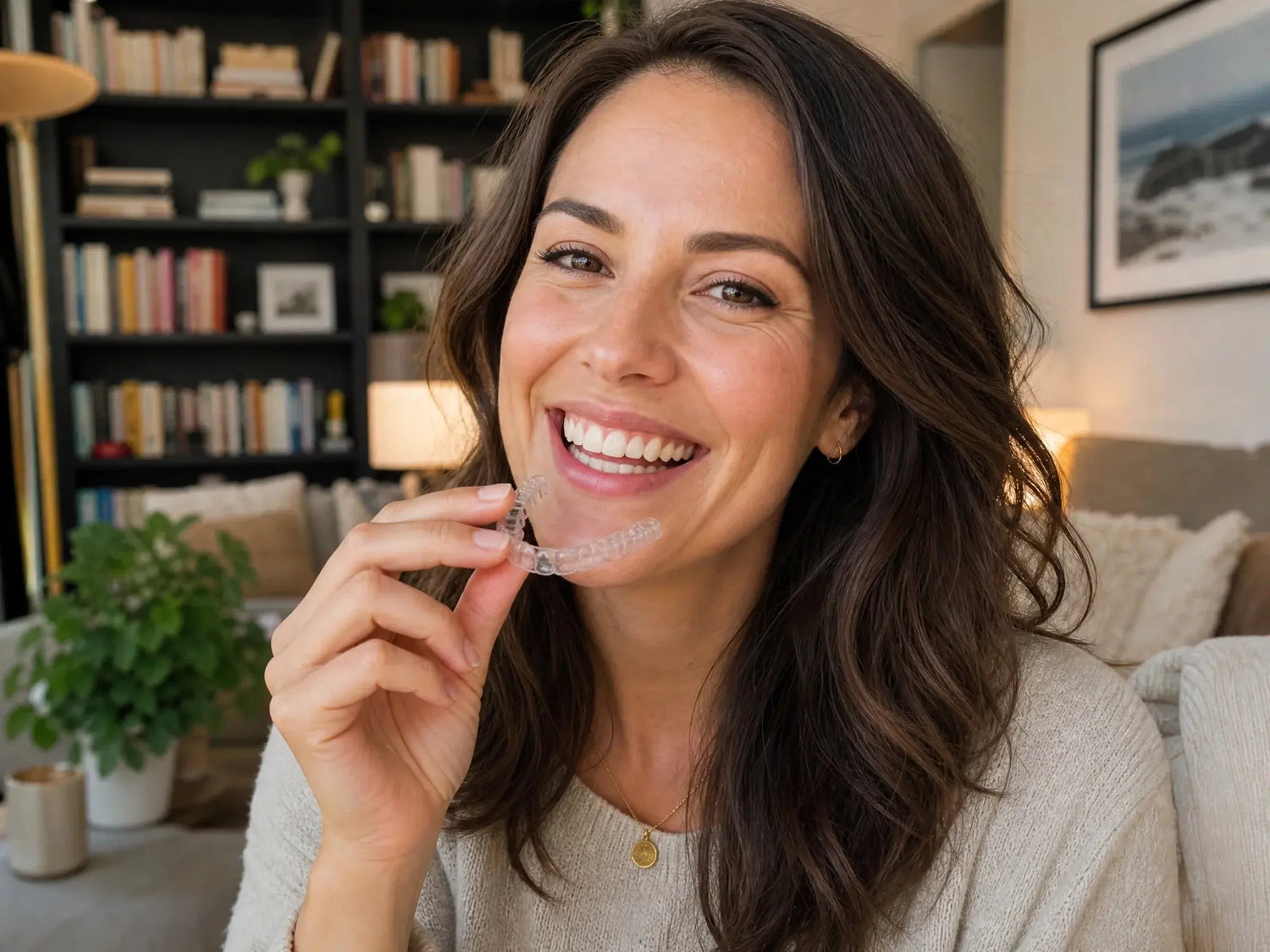
باختصار: يمكن لكلٍّ من التقويم التقليدي والمصففات الشفافة أن يغيّرا الابتسامة – لكن الاختيار الأفضل يعتمد بدرجة أكبر على سوء الإطباق الخاص بك وعاداتك اليومية أكثر من الجهاز نفسه. في حالات الازدحام أو التباعد الخفيف إلى المتوسط، غالبًا ما يحقق Invisalign نتائج نهائية مماثلة للتقويم عند ارتدائه 20–22 ساعة يوميًا. أما في حالات الدوران المعقد، أو مشكلات الإطباق الشديدة، أو حالات الخلع، فلا يزال التقويم الثابت يوفّر تحكمًا ثلاثي الأبعاد أدق. والفائز الحقيقي هو ما تختاره أنت وأخصائي التقويم معًا بناءً على تقييم صادق لحياتك وأسنانك.

وضع الفعالية تحت المجهر
إذا كنت تأمل أن يكون أحد الخيارين أكثر فعالية بشكل مطلق، فاستعد لإجابة دقيقة ومفصلة. كلا النظامين قادران على تحقيق نتائج ممتازة – ويظهر الفرق في أنواع حركة الأسنان التي يتقنها كل منهما أكثر، ومدى موثوقية نجاحه.
التقويم: المعيار الذهبي بميزة ميكانيكية
الأجهزة الثابتة التقليدية تُلصق الحاصرات بكل سن وتصلها بـ سلك القوس. ولأنها ثابتة في مكانها 24/7، فهي تمنح أخصائي التقويم تحكمًا مستمرًا متعدد المحاور في كل سن. وهذا يجعلها ممتازة بشكل خاص في:
- تدوير الأسنان الملتوية بشدة
- تحريك الجذور ككتلة واحدة (وليس مجرد إمالة التاج) – وهو أمر أساسي لإغلاق فراغات الخلع
- تصحيح العضة العميقة والعضة السفلية الشديدة
- التحكم في الميل اللساني-الخدي (الزاوية من جانب لآخر) بقوة ثابتة
مراجعة منهجية نُشرت في 2023 وجدت أنه رغم أن كلاً من الأجهزة الثابتة والمصففات الشفافة حسّن الابتسامة، فإن التقويم أظهر نتائج أفضل إحصائيًا في نظام التقييم الموضوعي (OGS) للحركات المعقدة مثل الميل اللساني-الخدي وتحقيق تلامس إطباقي قوي. وهذا يعني ببساطة أن التقويم ينهي العلاج غالبًا بتشابك أدق قليلًا بين الأسنان الخلفية – وهي تفاصيل لا تراها في المرآة لكن طبيب الأسنان سيقيسها.
Invisalign: قوة مُصمَّمة مع تحدٍّ في الالتزام
Invisalign هو الاسم التجاري الرائد في علاج المصففات الشفافة، ويستخدم سلسلة من القوالب البلاستيكية القابلة للإزالة والمصممة خصيصًا وفق إعداد رقمي. وتستخدم الأنظمة الحديثة مزيجات بوليمر مثل SmartTrack لتقديم قوة ألطف وأكثر استدامة مما كانت تقدمه المصففات المبكرة. ولحالات الازدحام الخفيف إلى المتوسط، أو إغلاق الفجوات الصغيرة، أو تصحيح العضة الضحلة، تبدو الأبحاث مشجعة.
تحليل تلوي حديث خلص إلى أن Invisalign والأجهزة الثابتة لديهما فعالية إجمالية متشابهة في إحداث حركة تقويمية للأسنان. بعبارة أخرى، عند ارتدائها كما هو موصى به، فإن المصففات يمكنها تحريك الأسنان بكفاءة مماثلة للحالات المناسبة.
لكن هذا الوعد يعتمد على عامل واحد كبير: الالتزام. وبما أن القوالب قابلة للإزالة، فإن المريض الذي يحقق متوسط 16 ساعة من الارتداء بدلًا من 20-22 ساعة الموصى بها سيلاحظ غالبًا تباطؤ التقدم، مما يؤدي إلى تعديلات أثناء العلاج وإطالة المدة الإجمالية. وفي تجربة مقارنة مباشرة لحالات Class I البسيطة، أنهى مرضى التقويم العلاج أسرع بـ 4.8 أشهر من مرضى Invisalign، جزئيًا لأن الجهاز يؤدي العمل بغض النظر عن قوة إرادة المريض.
مدة العلاج: أي مسار ينتهي أولًا؟
كلنا نريد أن نقضي أقل وقت ممكن في علاج التقويم. والمدة تعتمد بدرجة كبيرة على شدة الحالة، والنتائج أكثر تباينًا مما توحي به كثير من ادعاءات التسويق.
الحالات البسيطة غير الخاضعة للخلع
في حالات الازدحام أو التباعد الخفيف دون تصحيح كبير للعضة:
- التقويم: غالبًا 12–18 شهرًا لدى المراهقين الأكبر سنًا والبالغين
- Invisalign: غالبًا ما يُسوَّق على أنه أسرع؛ وبعض الدراسات تُظهر 12–18 شهرًا أيضًا، لكن تجربة عشوائية محكمة في سوء الإطباق البسيط وجدت أن مرضى المصففات استغرقوا نحو 4.8 أشهر إضافية في المتوسط بسبب التحسينات والفجوات في الالتزام
الحالات المتوسطة إلى المعقدة
عندما تدخل الخلع أو الدورانات أو التغيرات الكبيرة في الإطباق في الصورة، تميل الكفة غالبًا نحو التقويم:
- التقويم: 18–24 شهرًا للحالات المعتادة؛ 24–30 شهرًا لحالات خلع الضواحك
- Invisalign: تجربة عشوائية متعددة المراكز لحالات الخلع أظهرت أن مرضى Invisalign استغرقوا في المتوسط 31.5 شهرًا من العلاج، بينما بلغ متوسط مرضى التقويم فقط 22 شهرًا – فرق 9.5 أشهر
السبب؟ المصففات تميل أساسًا إلى إمالة التيجان؛ أما تحقيق حركة جسمية مضبوطة للجذور عبر موقع الخلع فيحتاج إلى وقت إضافي، وتدرج دقيق، وغالبًا المزيد من التحسينات أثناء العلاج (مجموعات إضافية من القوالب).
“قد لا يكون علاج Invisalign أسرع من الأجهزة الثابتة لدى مرضى خلع الضواحك.” — تجربة عشوائية محكمة نُشرت في International Journal of Orthodontics
لذا، رغم أن المؤثر المفضل لديك ربما أنهى العلاج في 8 أشهر، فإن الجدول الزمني الواقعي لنوع سوء الإطباق الخاص بك قد يبدو مختلفًا تمامًا. ناقش التفاصيل – لا المتوسطات – في موعد الاستشارة.
الثبات طويل الأمد: هل ستدوم النتائج؟
هنا يلتقي العائد العاطفي بالواقع البيولوجي. كلا الطريقتين يمكن أن تعطي أسنانًا مستقيمة، وكلاهما قد يحدث معه ارتداد. والسر في الحفاظ على ابتسامتك مدى الحياة لا يوجد في الجهاز الذي تختاره؛ بل يوجد في المثبت الذي ترتديه بانتظام بعد ذلك.
دراسة متابعة لمدة 5 سنوات قارنت النتائج طويلة الأمد للتقويم التقليدي وInvisalign. ووجدت أن المجموعتين حافظتا على تحسن كبير في اصطفاف الأسنان وثبات الإطباق خلال نصف عقد. كما أشارت مقارنة أخرى إلى معدل ارتداد أعلى قليلًا، وإن لم يكن ذا دلالة إحصائية، لدى مرضى Invisalign، ربما لأن المصففات تميل إلى إمالة الأسنان بدلًا من تحريكها ككتلة واحدة، مما يجعلها أكثر عرضة للارتداد دون التزام جيد بالمثبتات.
خلاصة مهمة لنتائج تدوم:
- ارتداء المثبت مدى الحياة أمر غير قابل للتفاوض – سواء كان صواني Vivera القابلة للإزالة أو سلكًا لسانيًا مثبتًا.
- السنة الأولى بعد العلاج هي أعلى فترة خطر لحدوث الارتداد؛ لذا فإن ارتداء المثبتات تمامًا كما وُصِف أمر بالغ الأهمية.
- الأقواس السفلية (الفك السفلي) أقل ثباتًا من الأقواس العلوية، لذا تستحق بروتوكولات التوسيع تخطيطًا دقيقًا.
- عاداتك الخاصّة بالمحافظة على النتيجة أهم من كونك بدأت بالحاصرات أم بالقوالب.
سيخبرك كل أخصائي تقويم بالحقيقة الصعبة نفسها: لا جهاز يضمن نتيجة “دائمة للأبد”. روتين المثبت الليلي هو ما يفعل ذلك.
الحياة اليومية: الراحة، والأكل، والمظهر
رحلتك مع التقويم ليست عن الأسنان فقط؛ بل عن عيش حياتك خلال السنة أو السنتين القادمتين. إليك كيف يغيّر الخياران التجربة اليومية.
الأكل والحرية الغذائية
- التقويم: ستحتاج إلى تجنب الأطعمة القاسية واللزجة والمطاطية – مثل الفشار، والكراميل، والتفاح الكامل، وذرة الكوز. وكسور الحاصرات تعني زيارات طارئة.
- Invisalign: كل ما عليك هو نزع القوالب قبل الأكل – بلا قيود على الطعام. لكنك يجب أن تنظف أسنانك بالخيط والفرشاة قبل إعادتها، ما يعني أنك لا تستطيع عمليًا تناول وجبات خفيفة أو احتساء المشروبات السكرية طوال اليوم بسهولة. وينتقل عبء العناية إلى تنظيم الوجبات.
راحة الفم والكلام
- التقويم: الأسابيع الأولى تجلب ألمًا وتهيجًا للخد بسبب الحاصرات والأسلاك؛ ويصبح شمع الأسنان أفضل صديق لك. امتصاص الجذور (تسطح بسيط في جذور الأسنان) خطر نادر مع القوى الشديدة المطولة، لكن الدراسات لا تُظهر فرقًا كبيرًا في معدلات الامتصاص بين أنواع الأجهزة. الكلام يتأثر بدرجة طفيفة جدًا.
- Invisalign: البلاستيك الناعم ألطف على الخدود، لكن القوالب قد تُحدث لثغة خفيفة خلال الأسبوع الأول بينما يعتاد اللسان عليها. معظم المرضى يتأقلمون بسرعة. وهناك صعوبة خفية أكبر: يجب ارتداء القوالب 20–22 ساعة يوميًا، ما يعني لا احتساء عابر للقهوة وانضباطًا مستمرًا وهادئًا.
سوء فهم “الخفاء”
لنكن واقعيين: Invisalign أقل وضوحًا بكثير من التقويم المعدني، وهذه ميزة حقيقية ومهمة لكثير من البالغين والمراهقين الخجولين. ومع ذلك، تتطلب معظم الحالات ملحقات صغيرة بلون السن – نتوءات مركبة صغيرة تُلصق على أسنان محددة – تساعد المصففات على التمسك وتحكّم بالحركة. قد تكون هذه مرئية عن قرب وقد تتصبغ قليلًا بمرور الوقت. بعض العلاجات تتطلب أيضًا مطاطات (أربطة مطاطية) تُثبت على شقوق دقيقة في المصففات. والنتيجة تبقى متحفظة، لكنها ليست وهم “غير مرئي تمامًا” على طريقة هوليوود.
إذا كنت تبحث عن أقل قدر من الإزعاج اليومي وتستطيع الالتزام بارتداء القوالب بدقة، فالمصففات تمنحك حرية جمالية. أما إذا كنت تفضّل ألا تفكر في جهازك وتثق بأنه يعمل 24/7، فغالبًا ما يبدو التقويم أبسط بعد الشهر الأول.
التكلفة: ما ستدفعه فعلًا
العلاج التقويمي استثمار مهم، وتختلف الأسعار كثيرًا حسب المنطقة وتعقيد الحالة وخبرة مقدم الخدمة. وكمرجع عام:
| العلاج | نطاق التكلفة المعتاد في الولايات المتحدة |
|---|---|
| التقويم المعدني | $3,000 – $7,000 |
| التقويم الخزفي (الشفاف) | $4,000 – $8,000 |
| Invisalign (أو المصففات المكافئة) | $4,000 – $8,500 |
في كثير من العيادات، تبلغ تكلفة Invisalign نحو $1,000–$3,000 أكثر من التقويم المعدني التقليدي. ومع ذلك، تغطي التأمينات غالبًا جزءًا من الاثنين (حتى حد أقصى مدى الحياة، عادةً $1,500–$2,000)، كما يقدم كثير من أخصائيي التقويم خطط دفع داخلية بدون فوائد. ويمكن أيضًا استخدام FSAs وHSAs للدفع بأموال قبل الضريبة.
الزيادة السعرية لـ Invisalign تشتري:
- شبه عدم الظهور وإمكانية الإزالة للمناسبات المهمة
- سهولة تنظيف الأسنان بالفرشاة والخيط، مما يقلل خطر آفات البقع البيضاء (المزيد عن ذلك أدناه)
- زيارات طارئة أقل بسبب انكسار الحاصرات
المقايضة هنا أنك تدفع مقابل الراحة؛ أما المحرك البيولوجي في الأسفل (القوة المضبوطة على الأسنان) فهو مشابه. اسأل نفسك: هل الثقة الإضافية والحرية الغذائية تبرر السعر الأعلى، أم أنك تفضّل استثمار الفرق في مثبتات فاخرة أو حتى رأي ثانٍ؟
ما الخيار المناسب لك؟ إطار لاتخاذ القرار
الدخول إلى الاستشارة وأنت على دراية يمنحك قوة. استخدم هذا التقييم الذاتي السريع لتوجيه الحديث مع أخصائي التقويم (وليس خدمة بريدية – المزيد عن ذلك أدناه).
اختر التقويم التقليدي إذا كنت:
- لديك عضة معقدة، أو دورانات شديدة، أو حالات خلع متعددة، أو فرقًا كبيرًا في الفكين
- تجد صعوبة في الالتزام بالروتين اليومي وتفضّل أن “تضبطه وتنساه”
- أنت مراهق أصغر سنًا قد لا يزال في طور النمو ويحتاج إلى تعديلات مستمرة في القوة
- لا تمانع المظهر المعدني الواضح لمدة سنة أو سنتين مقابل الدقة الميكانيكية
اختر Invisalign إذا كنت:
- لديك ازدحام أو تباعد أو مشكلات عضة ضحلة خفيفة إلى متوسطة
- تتمتع بدافعية ذاتية وتستطيع ارتداء القوالب بأمانة 20–22 ساعة كل يوم
- تقدّر شبه عدم الظهور والقدرة على إزالة الجهاز للصور أو العروض التقديمية أو الأكل
- مستعد لتقبّل احتمالية التحسينات التي تمدد مدة العلاج الإجمالية
وقبل أن تلتزم، اسأل ثلاثة أسئلة رئيسية:
- “هل أنا مرشح للعلاج بالمصففات فقط بالنظر إلى تعقيد عضتي?”
- “كم حالة مثل حالتي عالجت بهذا النظام المحدد?”
- “ما بروتوكول المحافظة الذي توصي به، وهل سأحتاج إلى مثبتات ثابتة ومتحركة معًا?”
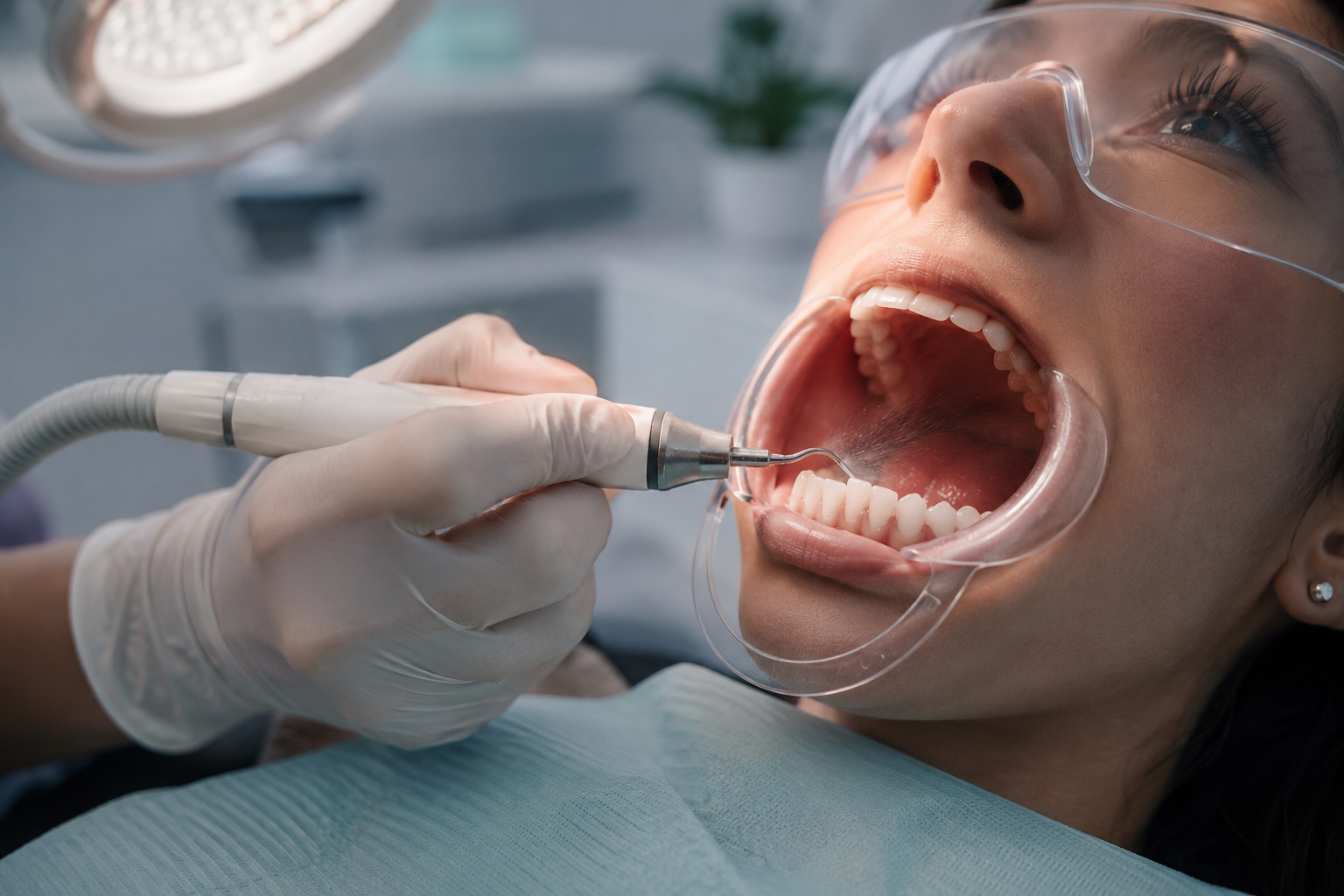
إذا راودك يومًا إعلان لمصففات شفافة مباشرة للمستهلك يتجاوز الإشراف الحضوري، فتوقف قليلًا. التقويم الذاتي يحمل مخاطر جدية: مرض لثوي غير مُشخّص، وانهيار الإطباق، وفقدان الأسنان. فقط أخصائي تقويم أو طبيب أسنان مرخّص يجري فحصًا سريريًا كاملًا ويأخذ صورًا أشعة يمكنه التخطيط لتحريك الأسنان بأمان.
عامل النظافة: حماية استثمارك
هذا هو الفرق غير المُعلن الذي غالبًا ما يرجّح الكفة للبالغين. التقويم الثابت يخلق مصيدة للوحة الجرثومية: فالحاصرات والأسلاك تحتجز بقايا الطعام، مما يزيد بشكل كبير خطر آفات البقع البيضاء – تلك المستطيلات الطباشيرية المنزوعة المعادن التي تبقى دائمًا على الأسنان بعد إزالة التقويم. ويصبح استخدام الخيط مهمة شاقة يتجاهلها كثير من المرضى.
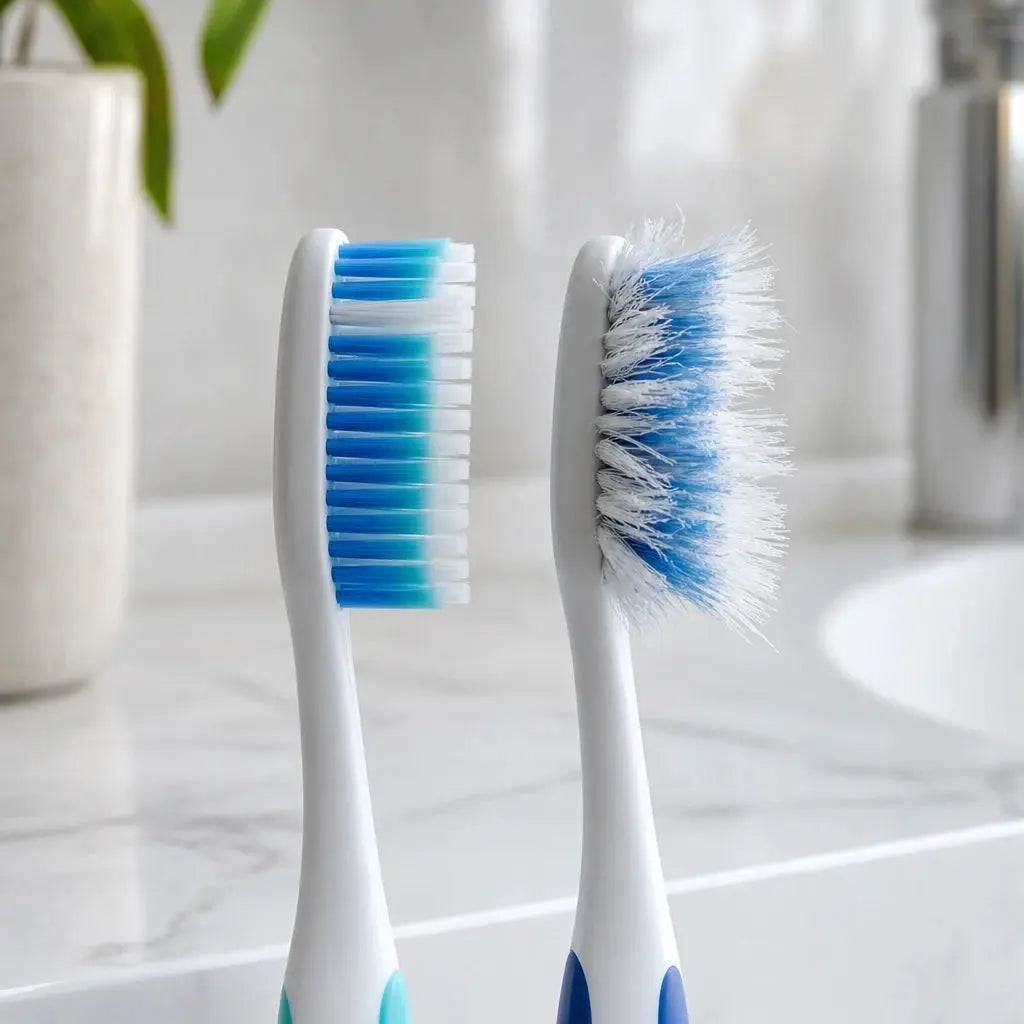
ويصبح فرشاة الأسنان الكهربائية هنا حليفًا حقيقيًا، إذ يوفر إزالة للوحة الجرثومية حول الحاصرات وعلى خط اللثة أفضل بكثير من الفرشاة اليدوية. إذا اخترت الأجهزة الثابتة، فاجعلها أول ملحق لك.
أما Invisalign فيسمح لك بإزالة القوالب والتنظيف بشكل طبيعي – وهي ميزة كبيرة جدًا على المدى الطويل لصحة اللثة والوقاية من التسوس. لكن علاج المصففات يخلق خطرًا خفيًا آخر: إذ تبقى الأسنان داخل بيئة بلاستيكية مغلقة قد تحبس البكتيريا والبقايا الحمضية إذا لم تنظفها جيدًا قبل إعادة القوالب. ويمكن أن تساعد فرشاة الأسنان الكهربائية الصوتية على تحريك السوائل وتفكيك اللويحة حتى في الأماكن الضيقة، مما يدعم التنظيف العميق الذي يحمي أسنانك خلال أشهر العلاج.

الخلاصة الصادقة
كلا التقويم التقليدي وInvisalign يمكنهما تقديم ابتسامة ستحبها. الاختيار ليس حول أي تقنية “أفضل” بشكل مطلق – بل حول أي تقنية تتوافق (حرفيًا) مع تشريح فمك وانضباطك الشخصي. كثير من المرضى الذين يبدأون رحلتهم مقتنعين بأنهم يريدون خيارًا واحدًا ينتهي بهم الأمر باختيار الآخر بعد حوار واقعي مع أخصائي التقويم.
أحضر أسئلتك، وأولوياتك، وفهمًا واضحًا لعاداتك إلى تلك الاستشارة. أفضل نتيجة تقويمية ليست مجرد أسنان مستقيمة؛ بل ابتسامة تفخر بها لعقود، مدعومة بعضّة تعمل دون ألم مدى الحياة. أنت قادر على ذلك.




اترك تعليقًا
This site is protected by hCaptcha and the hCaptcha Privacy Policy and Terms of Service apply.